



If your child struggles to settle, you'll probably know about it.
Maybe they:
- Take a long time to fall asleep
- Seem wide awake the moment they get into bed
- Need you beside them to settle
- Ask for endless drinks, stories or toilet trips
- Get silly or energetic when bedtime arrives
- Become upset when you leave the room
- Fall asleep much more easily when they're completely exhausted
And you may find yourself wondering:
“Why aren't they tired?”
Sometimes, the issue isn't tiredness.
It's the transition into sleep.

Sleep doesn't happen the second the lights go out.
Your child's brain and body need to transition from awake → calm → ready for sleep.
That transition can be harder when the day has been busy, stimulating or emotionally full.
And children don't always have the tools to switch gears themselves.
They need cues.
Repetition. Familiarity. Predictability.
The same bath.
The same story.
The same song.
The same feeling of climbing into bed.
Over time, these repeated signals become part of the brain's expectation:
“This is what happens before sleep.”

Your brain loves a pattern.
Sleep is strongly connected to our circadian rhythms — the internal timing system that helps regulate when we're alert and when we're sleepy.
But your child's sleep isn't controlled by biology alone.
Their brain also learns associations.
When the same sensory and behavioural cues happen repeatedly before bed, they can become signals that bedtime is approaching.
That's why a bedtime routine can be more powerful than simply telling a child it's time to sleep.

Their bedroom can help with the gear change.
Imagine trying to fall asleep immediately after a loud, stimulating day.
Now imagine doing it in a dim, quiet room where everything feels familiar.
The environment changes the signal.
Light decreases. Activity decreases. Noise decreases. The body becomes still.
Over time, these repeated cues can help your child recognise:
“We're slowing down now.”
That's why we think a bedroom should feel different from the rest of the house.
Not boring.
Just calmer.
If your child struggles to settle, you'll probably know about it.
Maybe they:
- Take a long time to fall asleep
- Seem wide awake the moment they get into bed
- Need you beside them to settle
- Ask for endless drinks, stories or toilet trips
- Get silly or energetic when bedtime arrives
- Become upset when you leave the room
- Fall asleep much more easily when they're completely exhausted
And you may find yourself wondering:
“Why aren't they tired?”
Sometimes, the issue isn't tiredness.
It's the transition into sleep.
Sleep doesn't happen the second the lights go out.
Your child's brain and body need to transition from awake → calm → ready for sleep.
That transition can be harder when the day has been busy, stimulating or emotionally full.
And children don't always have the tools to switch gears themselves.
They need cues.
Repetition. Familiarity. Predictability.
The same bath.
The same story.
The same song.
The same feeling of climbing into bed.
Over time, these repeated signals become part of the brain's expectation:
“This is what happens before sleep.”
Your brain loves a pattern.
Sleep is strongly connected to our circadian rhythms — the internal timing system that helps regulate when we're alert and when we're sleepy.
But your child's sleep isn't controlled by biology alone.
Their brain also learns associations.
When the same sensory and behavioural cues happen repeatedly before bed, they can become signals that bedtime is approaching.
That's why a bedtime routine can be more powerful than simply telling a child it's time to sleep.
Their bedroom can help with the gear change.
Imagine trying to fall asleep immediately after a loud, stimulating day.
Now imagine doing it in a dim, quiet room where everything feels familiar.
The environment changes the signal.
Light decreases. Activity decreases. Noise decreases. The body becomes still.
Over time, these repeated cues can help your child recognise:
“We're slowing down now.”
That's why we think a bedroom should feel different from the rest of the house.
Not boring.
Just calmer.
Create cues, not a complicated routine.
You don't need to completely overhaul their bedtime routine.
Small changes can make a difference.

01 — Keep the order predictable
Children don't need a 14-step bedtime routine. They need cues they recognise.

02 — Lower stimulation
Give their brain fewer things to process as bedtime approaches.

03 — Use familiar sensory cues
The same light, sounds, smells and textures can help create consistency.

04 — Give them some ownership
Choosing a book, arranging their pillow or helping make the bed can make bedtime feel more like something they're participating in.

05 — Don't rush the transition
Going from high-energy play straight into bed can be a big gear change.
We believe the bedroom should signal “slow down.”
Colour. Texture. Light. Familiar objects. Even the scent in the room.
They're not just decorative choices. They're cues your child's brain experiences as they transition from busy and awake towards calm and ready for sleep.
That's why we design pieces that can become part of a familiar bedtime ritual. Creating consistent sensory cues that tell the body and brain:
It's time to slow down.

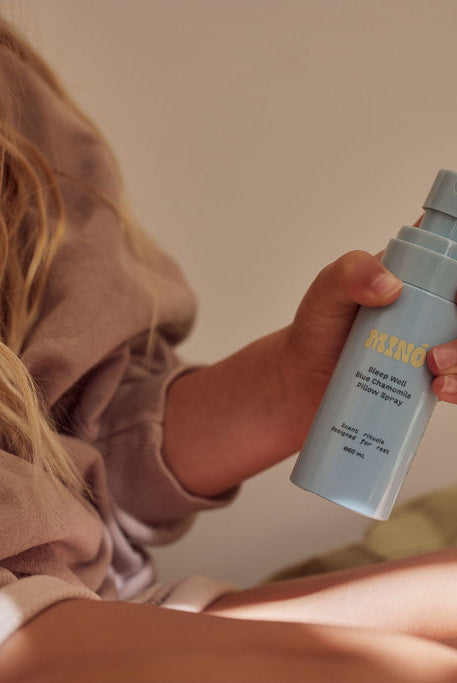
Meet the Blue Chamomile Pillow Spray
A gentle bedtime ritual designed to become a familiar cue for sleep.
A light mist over their pillow before bed introduces the same calming scent night after night, creating a simple sensory signal that says:
Most pillow sprays reach for lavender. Ours is made from Blue Chamomile.
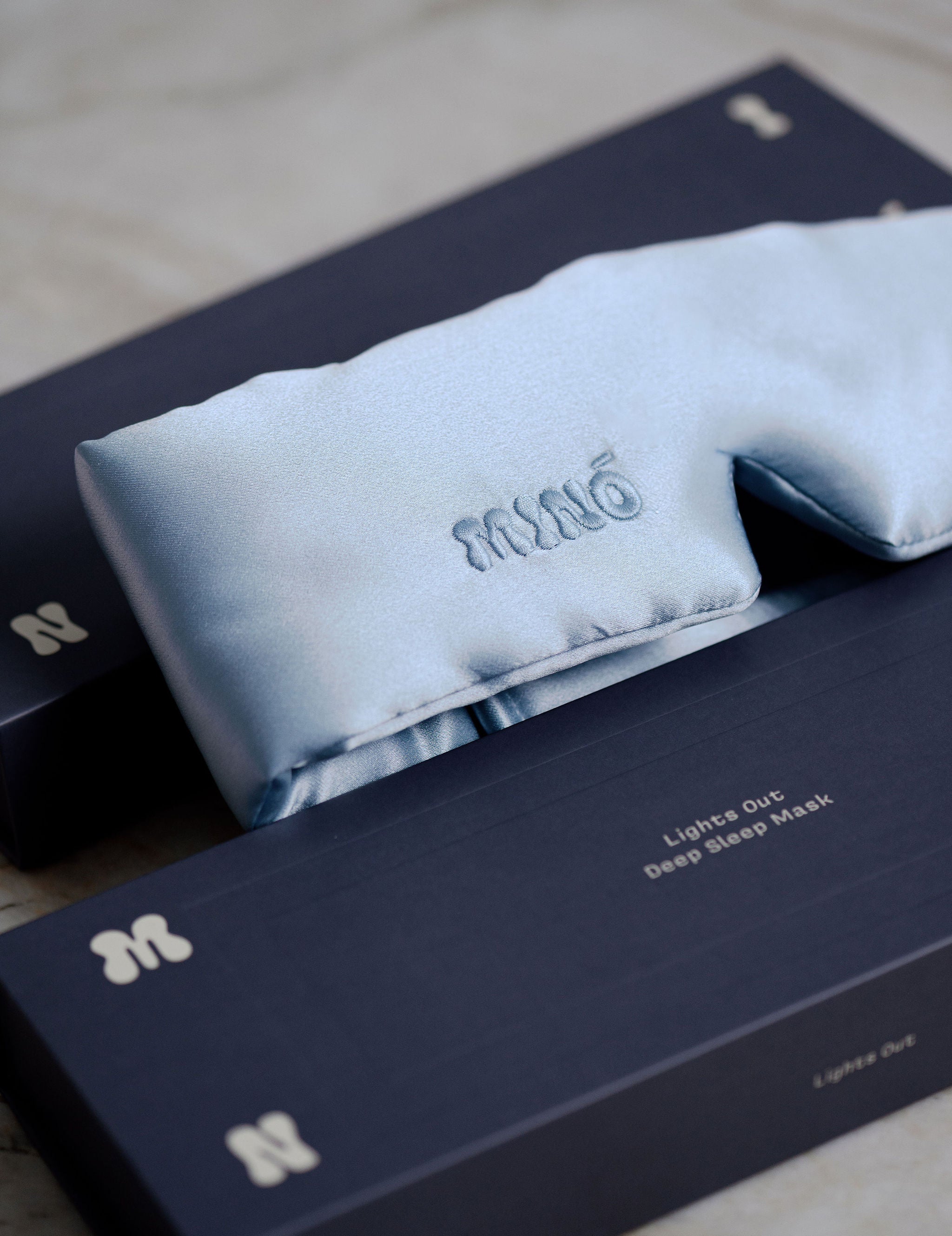
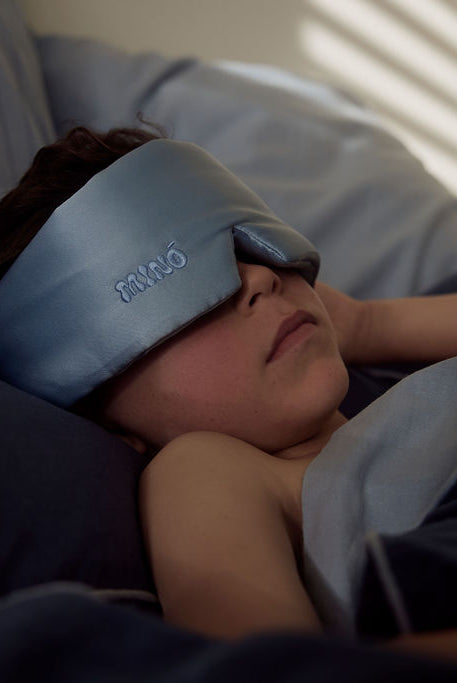
And when it's time to sleep, darkness matters too.
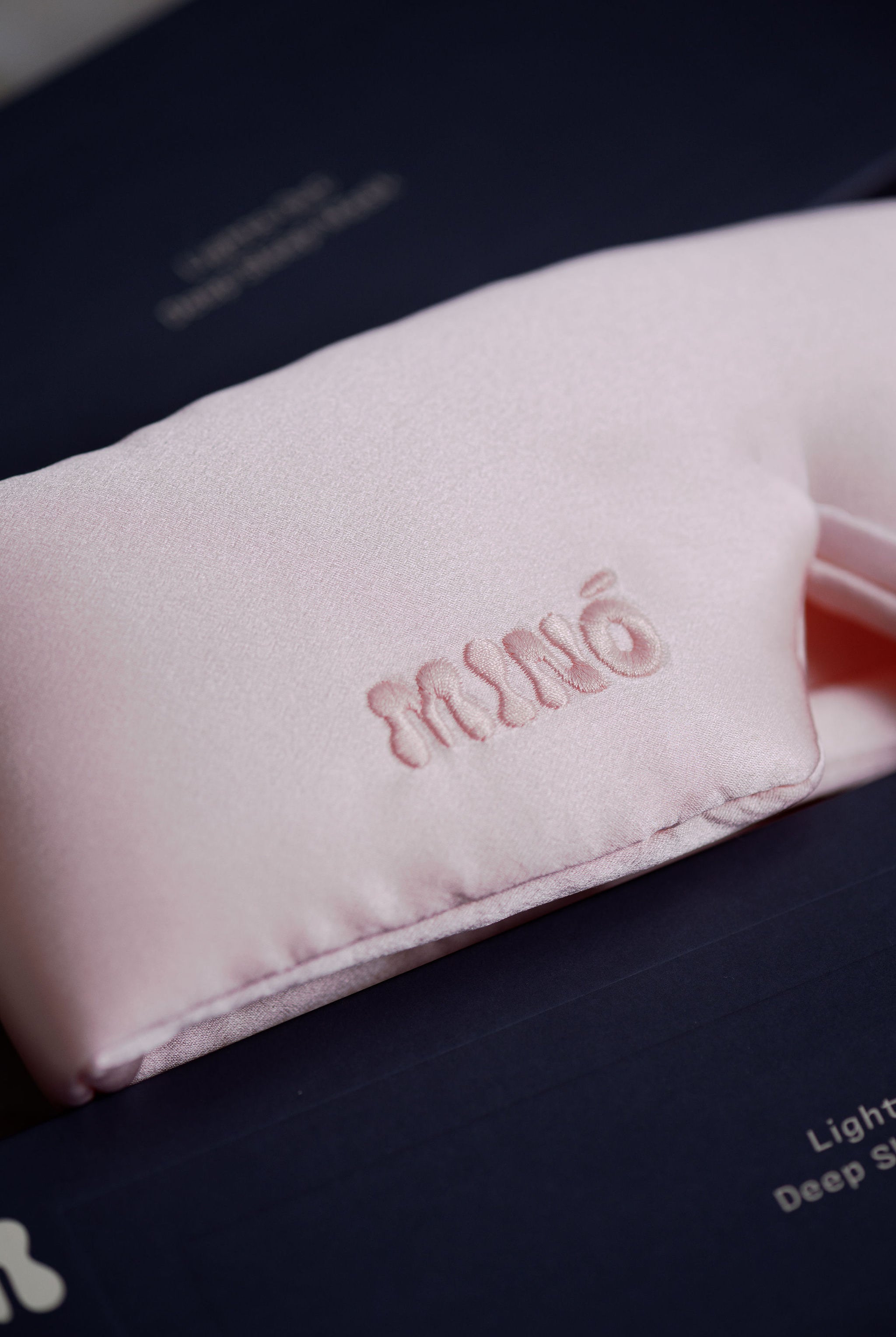
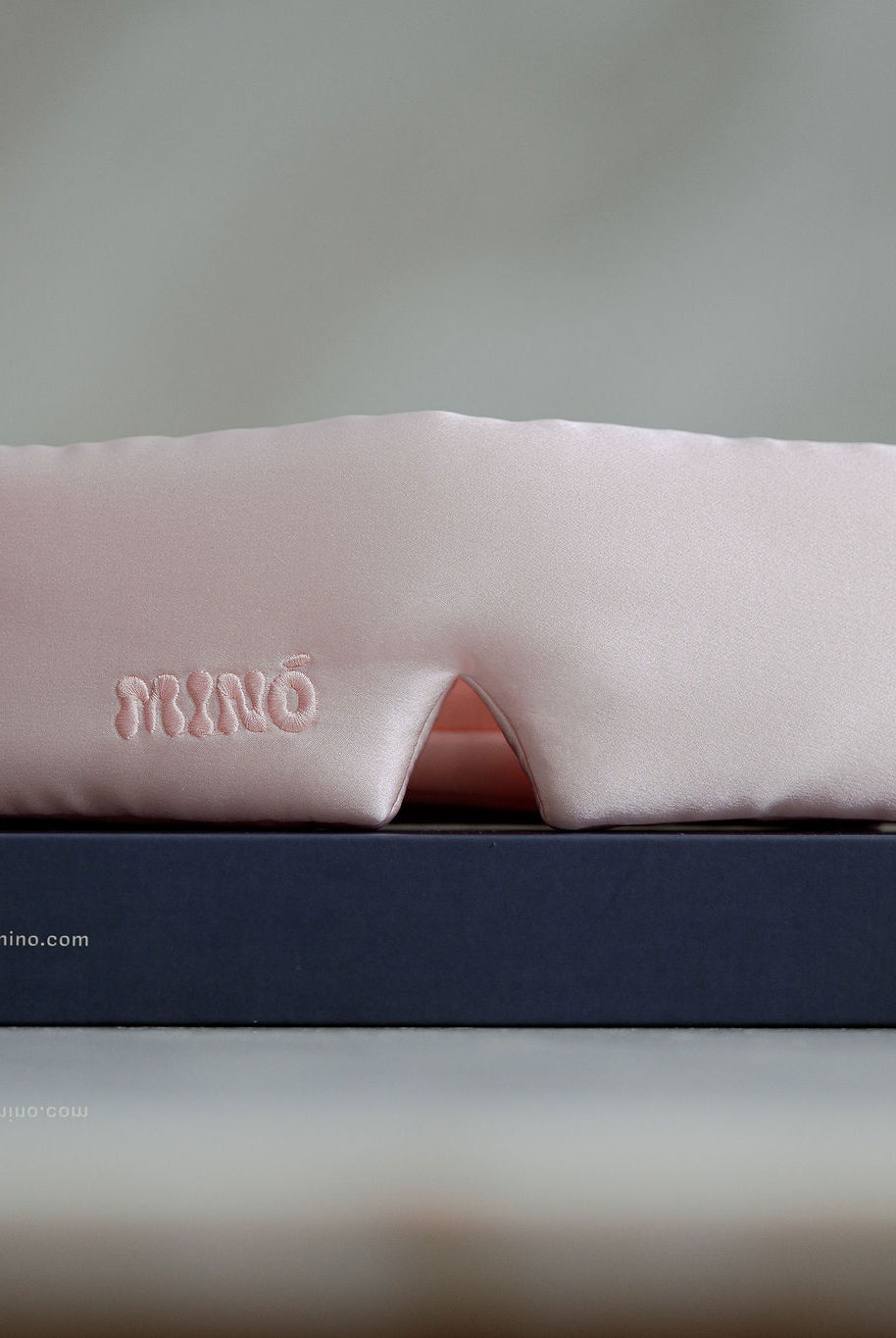
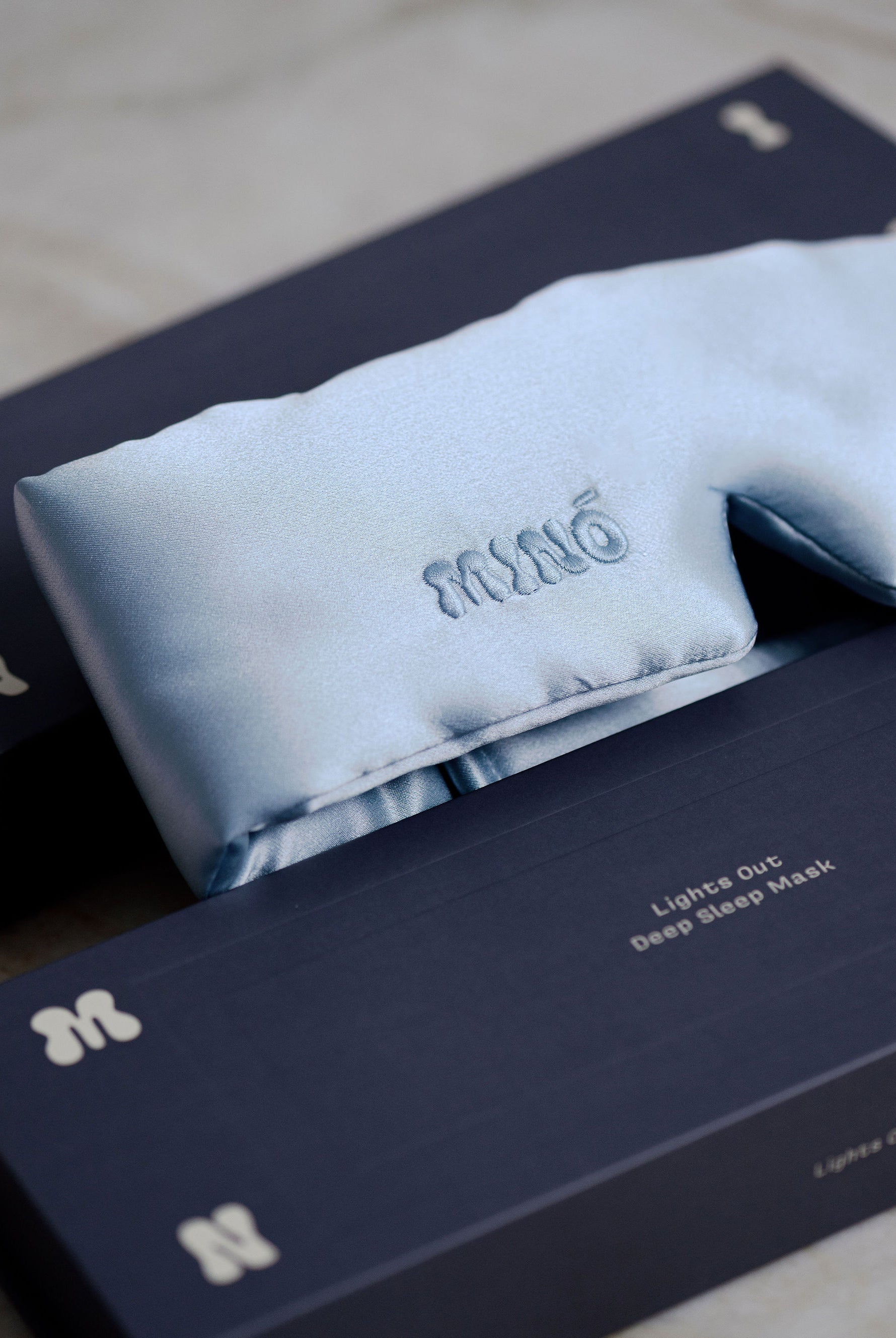
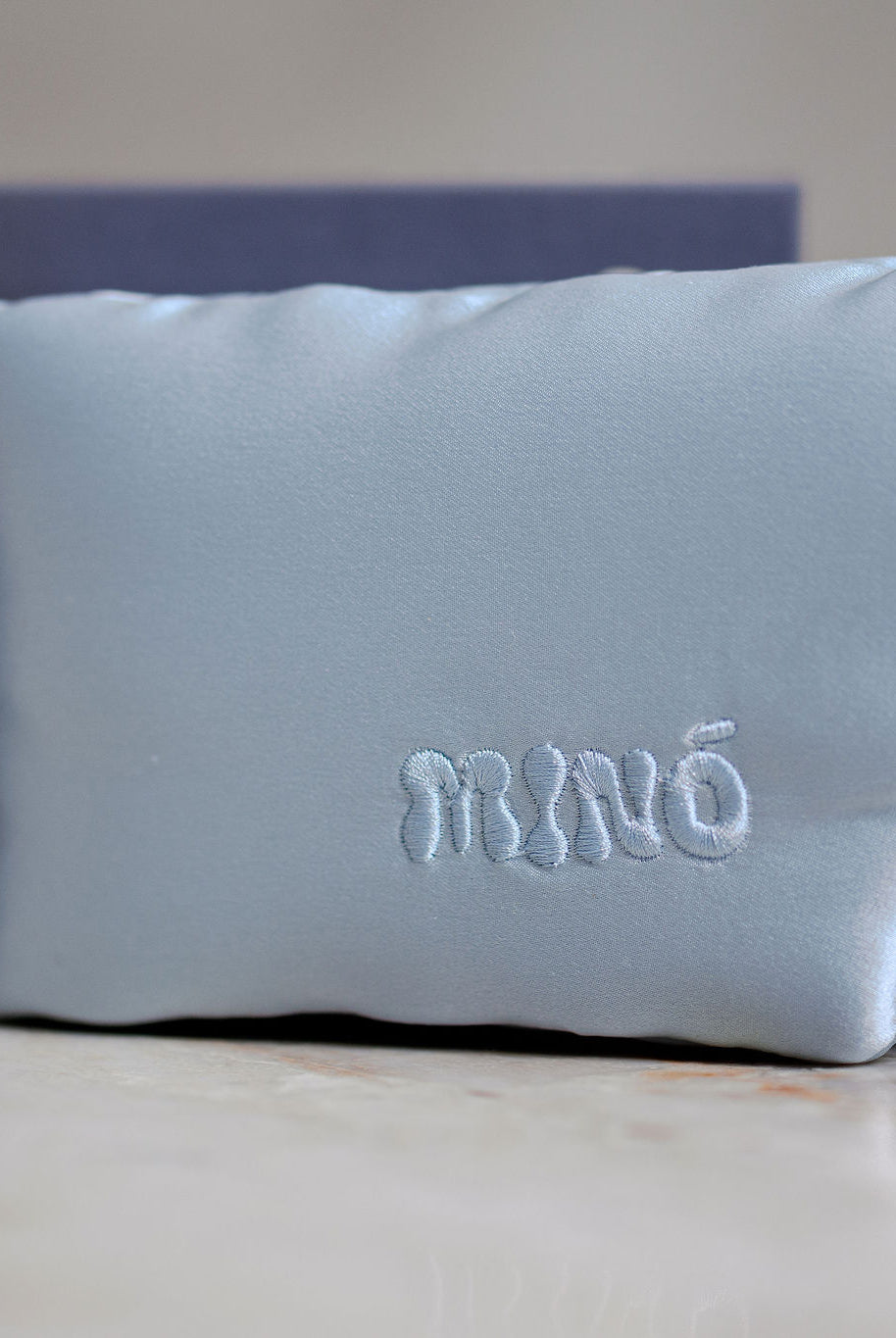
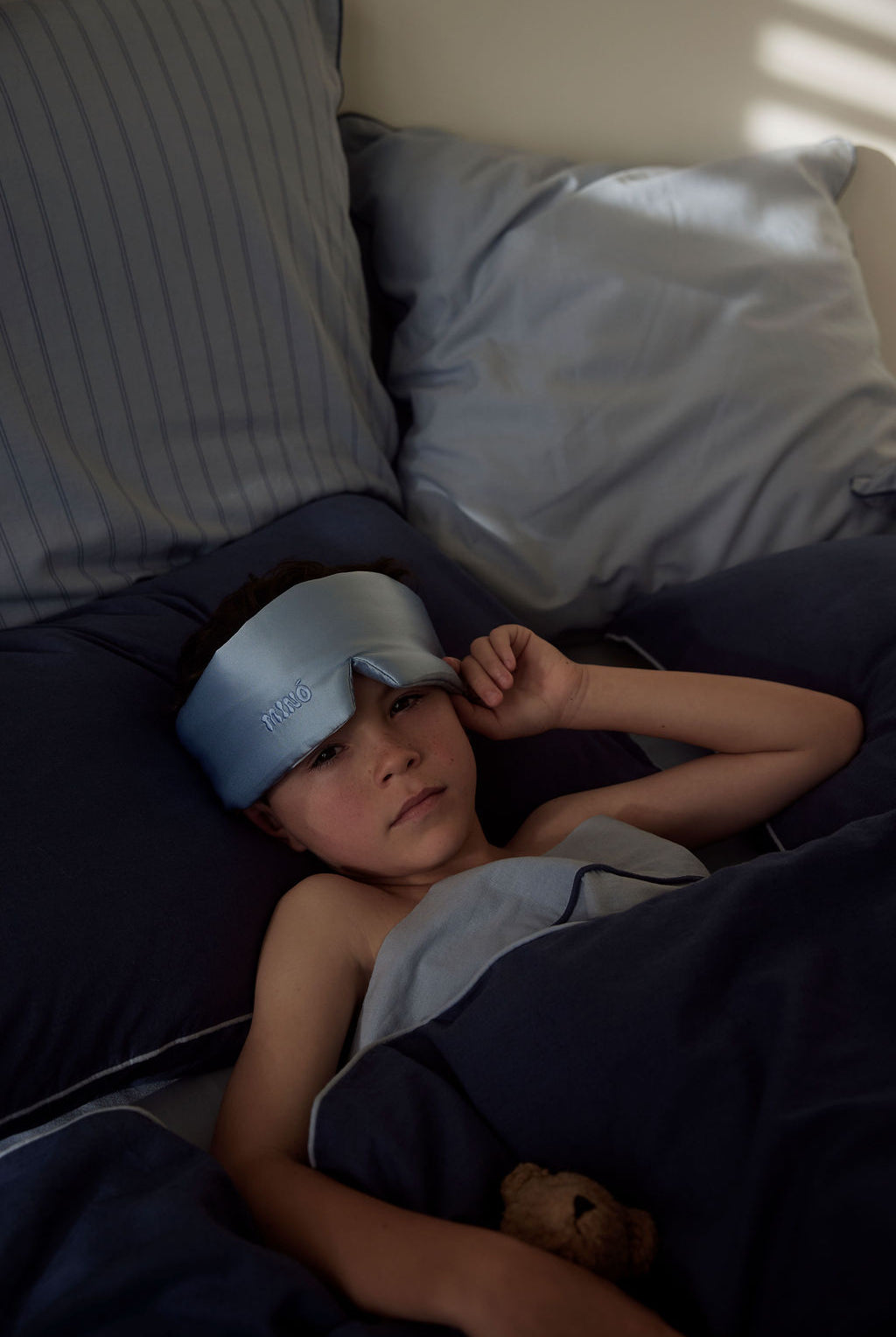
Our mulberry silk eye mask blocks 100% of light and adjusts to grow with your child, while adding a soft, comforting sensory layer.
Most silk masks don't specify their grade. Ours is Grade 6A, the highest classification there is.








Give sleep something to begin with.
Instead of making bedtime about:
“Go to sleep.”
Create a simple cue that means:
“We're getting ready for sleep.”
A favourite book. A particular pillow. A few slow breaths. The same gentle light.
It doesn't need to be complicated.
The power is in repeating it.
Comfort is only one part of the sleep environment.


