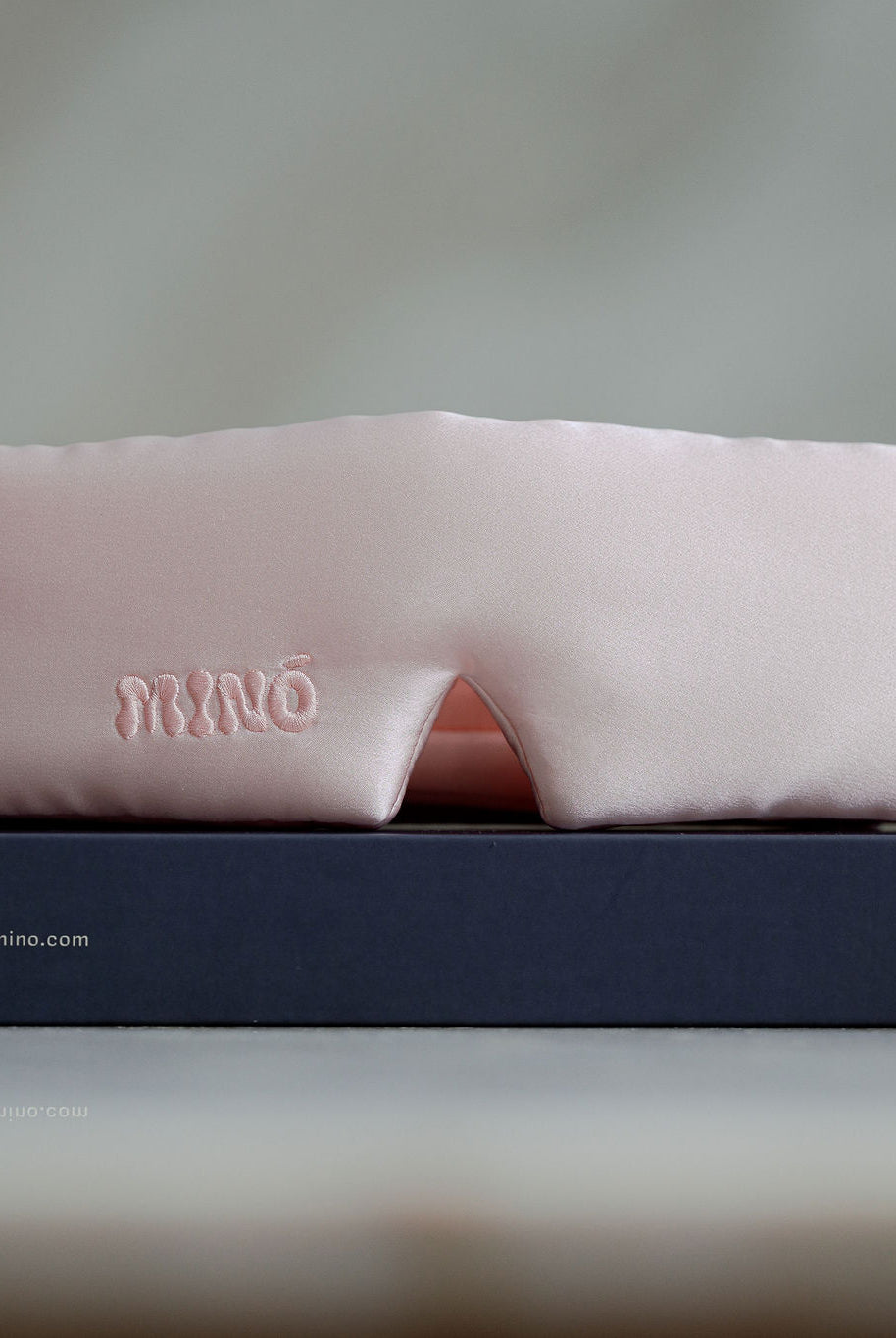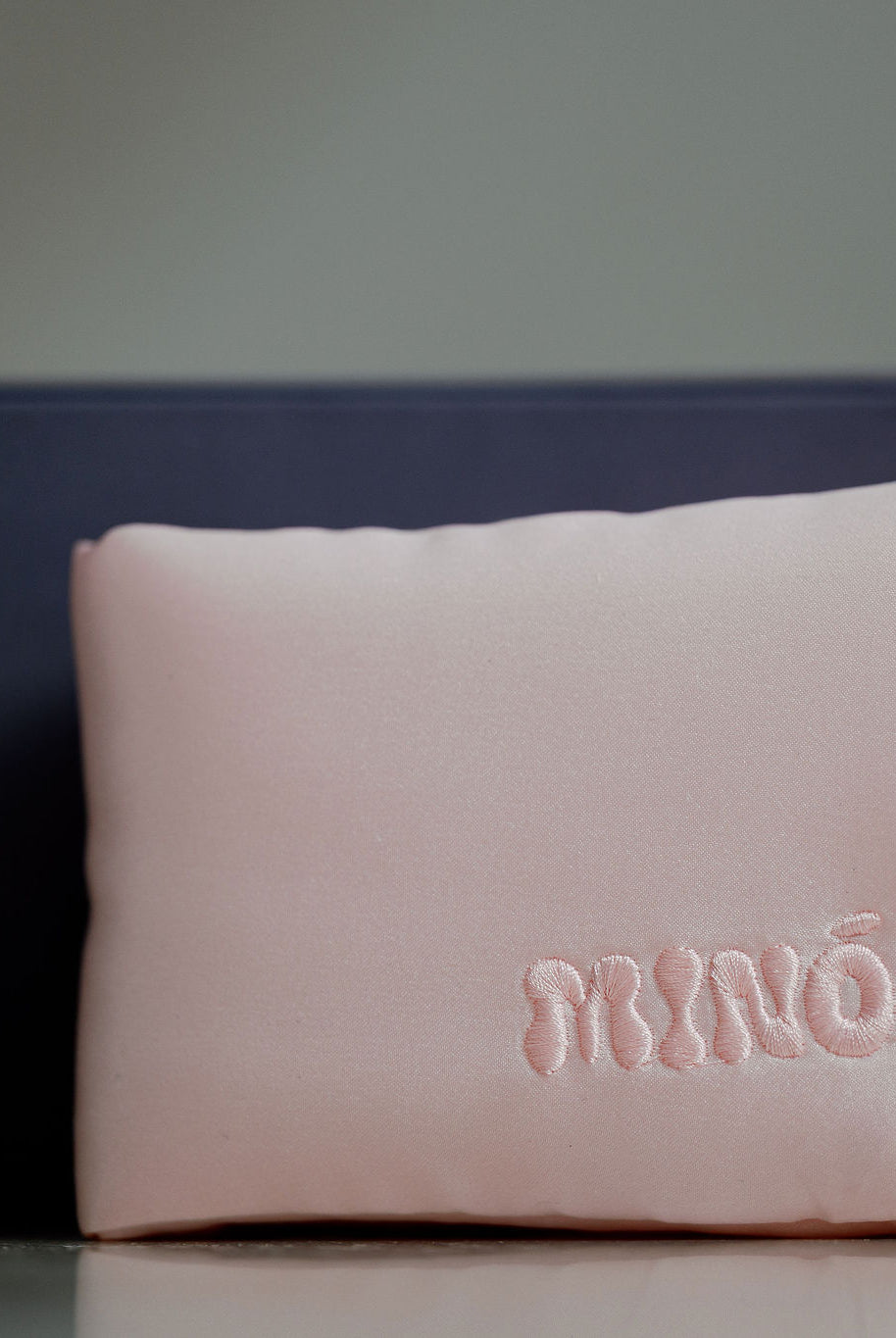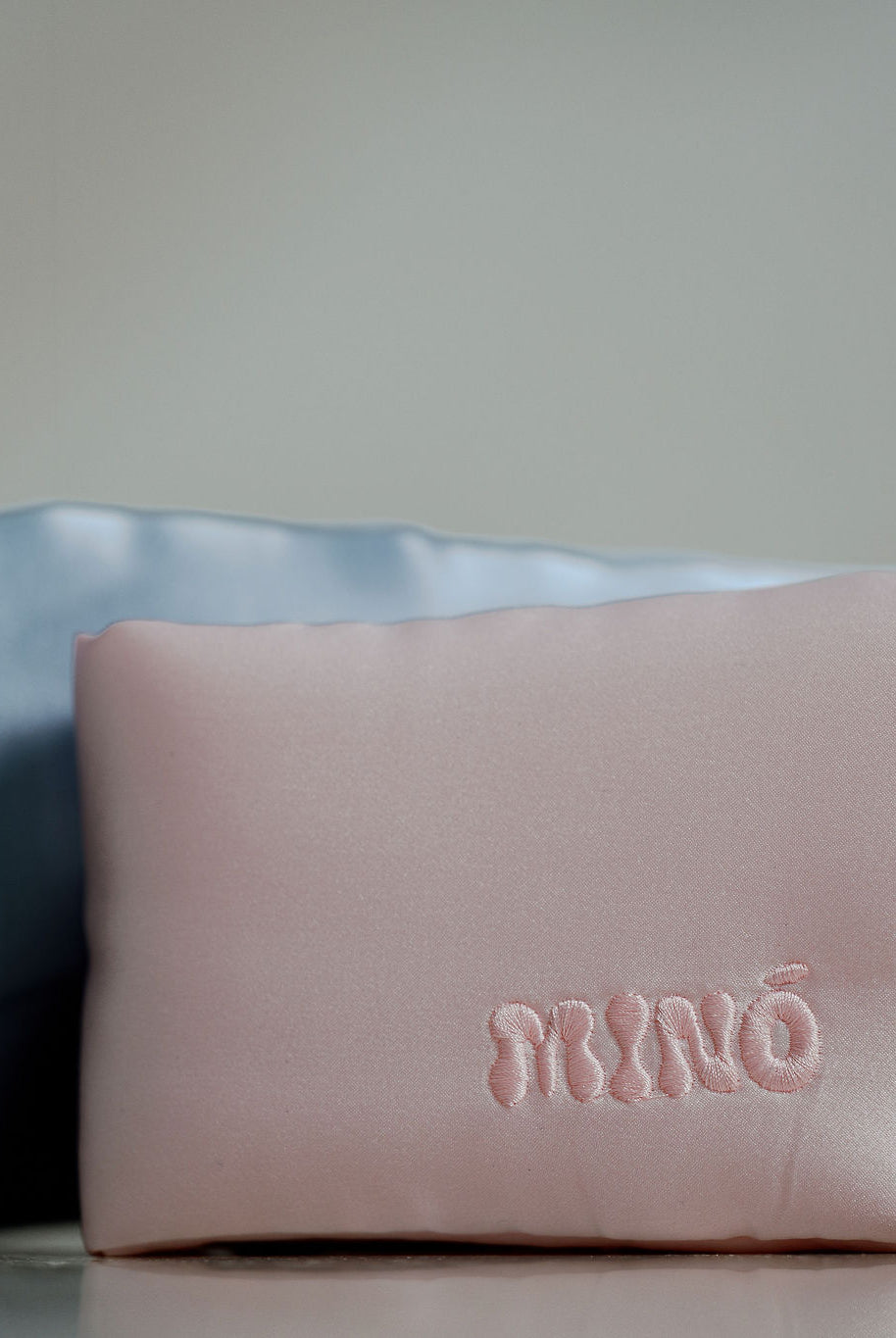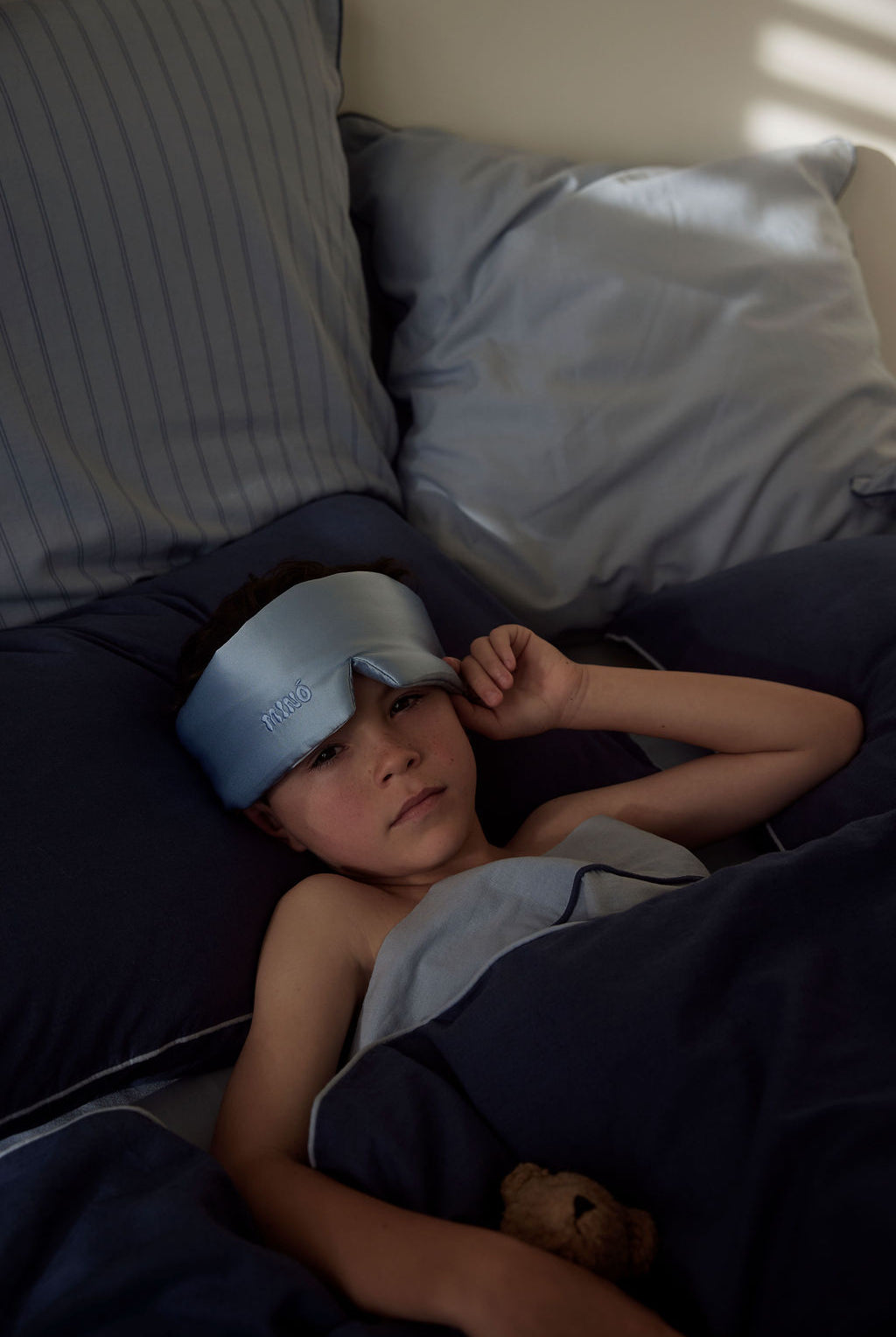



It was my son Louis who started all of this.
I had just spent a small fortune on linen sheets for his bed. Sheets I genuinely loved myself.
The first night he slept in them, he looked at me and said, “Mummy, itchy.”
And it made me realise something I hadn’t really considered before: what feels soft and comfortable to me might not feel the same to him.
That got me thinking about what else we might be getting wrong about the way children sleep.
I fell deep into the world of sleep science. The more I learned, the more one thing kept bothering me.
Parents put so much thought into their children’s sleep. Bedtime routines. Room temperature. Blackout blinds. But what they actually sleep on? Almost nothing.
I started talking to other parents. No one had really thought about how the bedding they’d chosen might be affecting their child’s sleep.
There was so much evidence about what helps children sleep better. Yet somehow, none of it was making its way into the bedding we were buying for them.

Then I started looking properly.
And I realised I’d never really questioned any of it before.
Without knowing what I now knew about sleep science, why would I? I’d been choosing bedding the same way most parents do — by how it looked and whether I liked it.
But once I started looking through the lens of sleep, I started noticing the same things everywhere:
- Fabrics chosen for how they looked, not how they would perform through a night’s sleep.
- Designs centred around fun, colour and imagination. More like playtime than sleep time.
- “Soft” fabrics that had been chemically or mechanically softened to create an immediate hand-feel.
- Frills and tactile design elements that might look cute, but could be annoying to a developing nervous system.
Very little thought was given to temperature, breathability or sensory experience.
And this was what children were sleeping against for around 12 hours a night.
Maybe it was naivety. Maybe it was being a mum who just wanted to get this right for her own son.
But I couldn’t shake the feeling that this category deserved real science behind it.

Two years figuring it out.
I had no background in textiles or manufacturing.
So I had to learn. From the ground up.
I spent two years testing fabrics and fibres, documenting what worked and what didn’t.
Around the same time, I met a textile expert with more than 50 years in the trade. He taught me how the makeup of a fabric — its weave, its fibre, its finish — can fundamentally change how it feels and performs. His knowledge became a huge part of understanding what we needed to get right.
Then I went to the mills in Shanghai to understand how it was actually made and started connecting what I was learning about sleep with what was possible.
There were plenty of wrong turns along the way. Fabrics that looked right on paper but didn’t feel right. Samples that came back nothing like what I had specified. Manufacturing attempts that simply weren’t good enough.
So we went back, changed things, tested again.
Slowly, I started to understand what good children’s bedding needed to do.

We couldn’t find the right fabric. So we made it.
Linen has incredible natural properties for sleep. Its fibre structure allows airflow and helps with temperature regulation. But pure linen can feel stiff against a child’s skin.
Cotton is softer and more familiar against the skin, but can hold onto heat and doesn’t have the same durability.
So we combined the two.
Rest Weave™ is our bespoke linen-cotton fabric, developed specifically for children’s sleep. Linen brings breathability and temperature regulation. Cotton brings softness and durability.
Neither compromises the other.
Not something picked because it looked good in photos.
Something developed for the job it needed to do.

None of this was fast.
And very little of it played to any existing strength of mine.
I had to learn an entire category from zero to get here.
But that’s exactly why I think the result is different from what’s already out there.
I wasn’t trying to become a textile expert. I was trying to get children’s bedding right.
And what came out the other end was Minó.
Science-backed, emotionally attuned bedding for children.
 Designed for rest, not decoration.
Backed by research, not trends.
Built for years, not seasons.