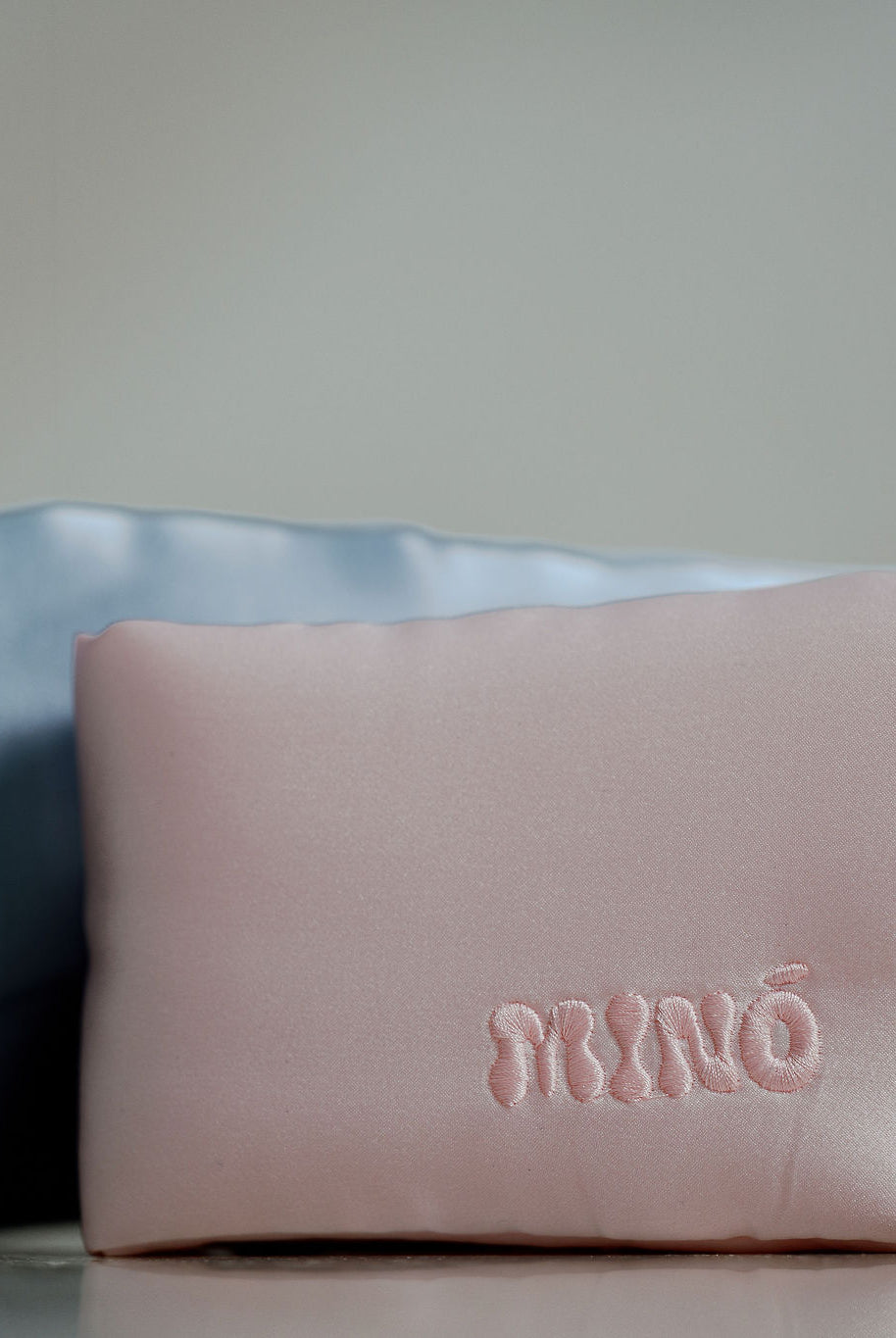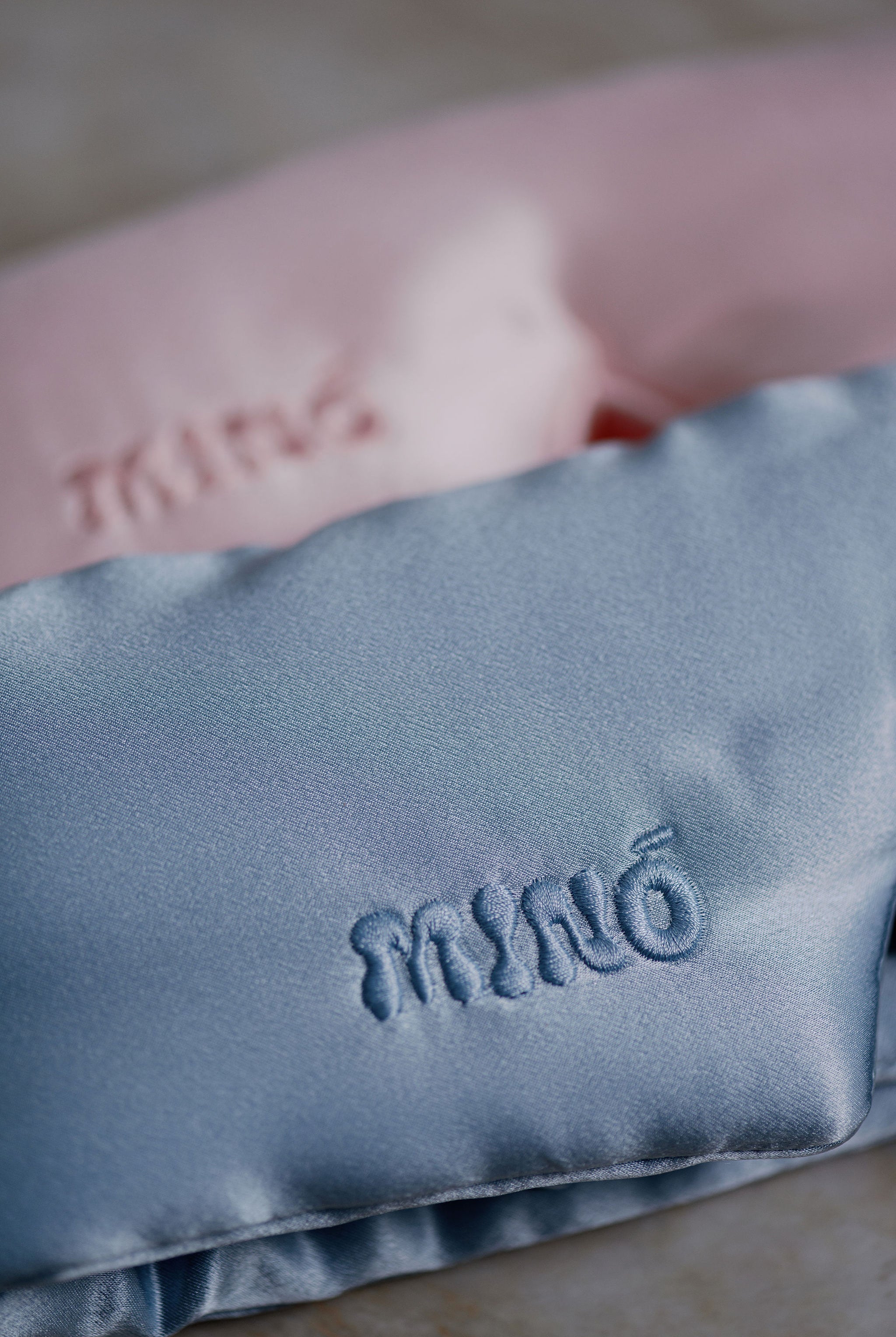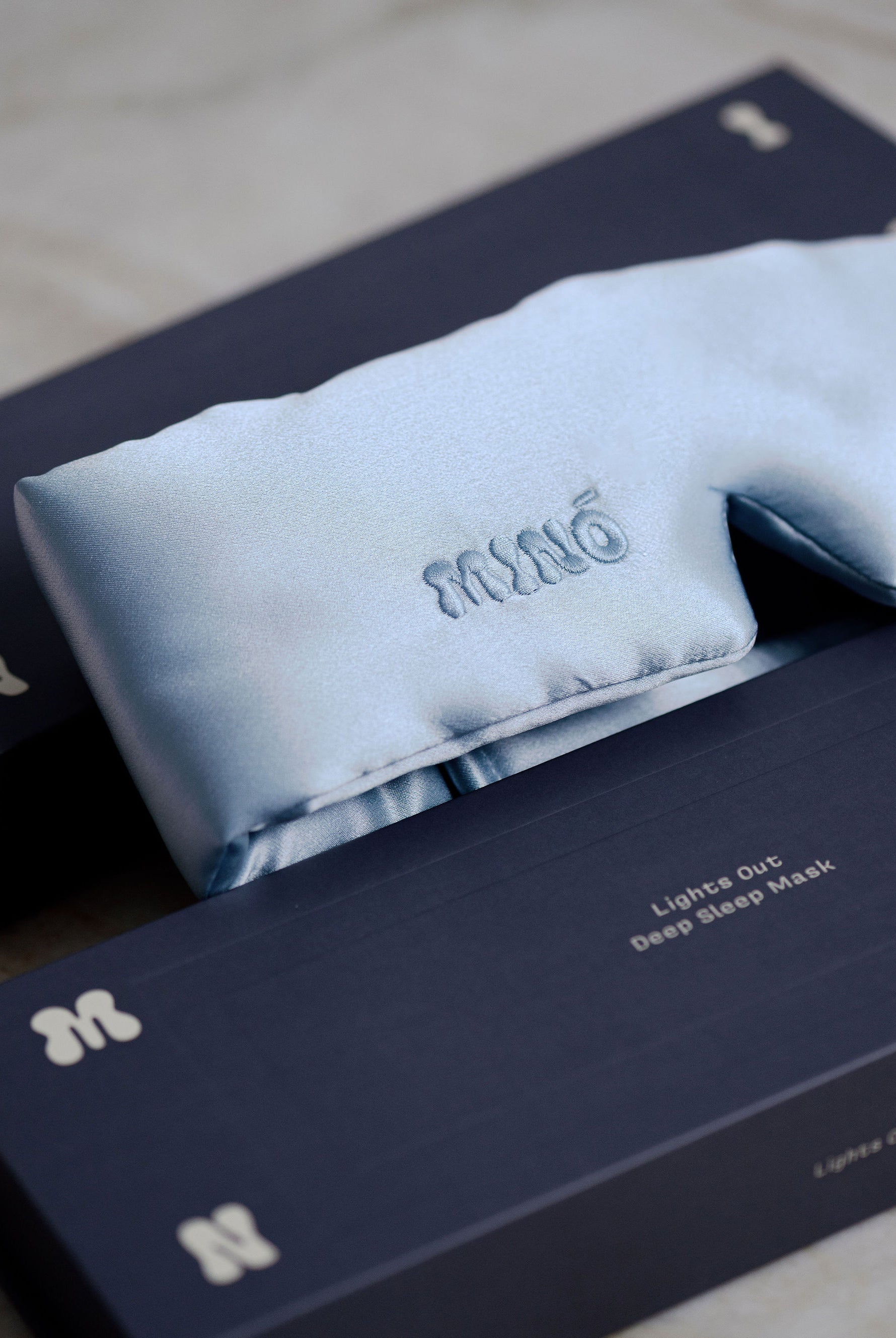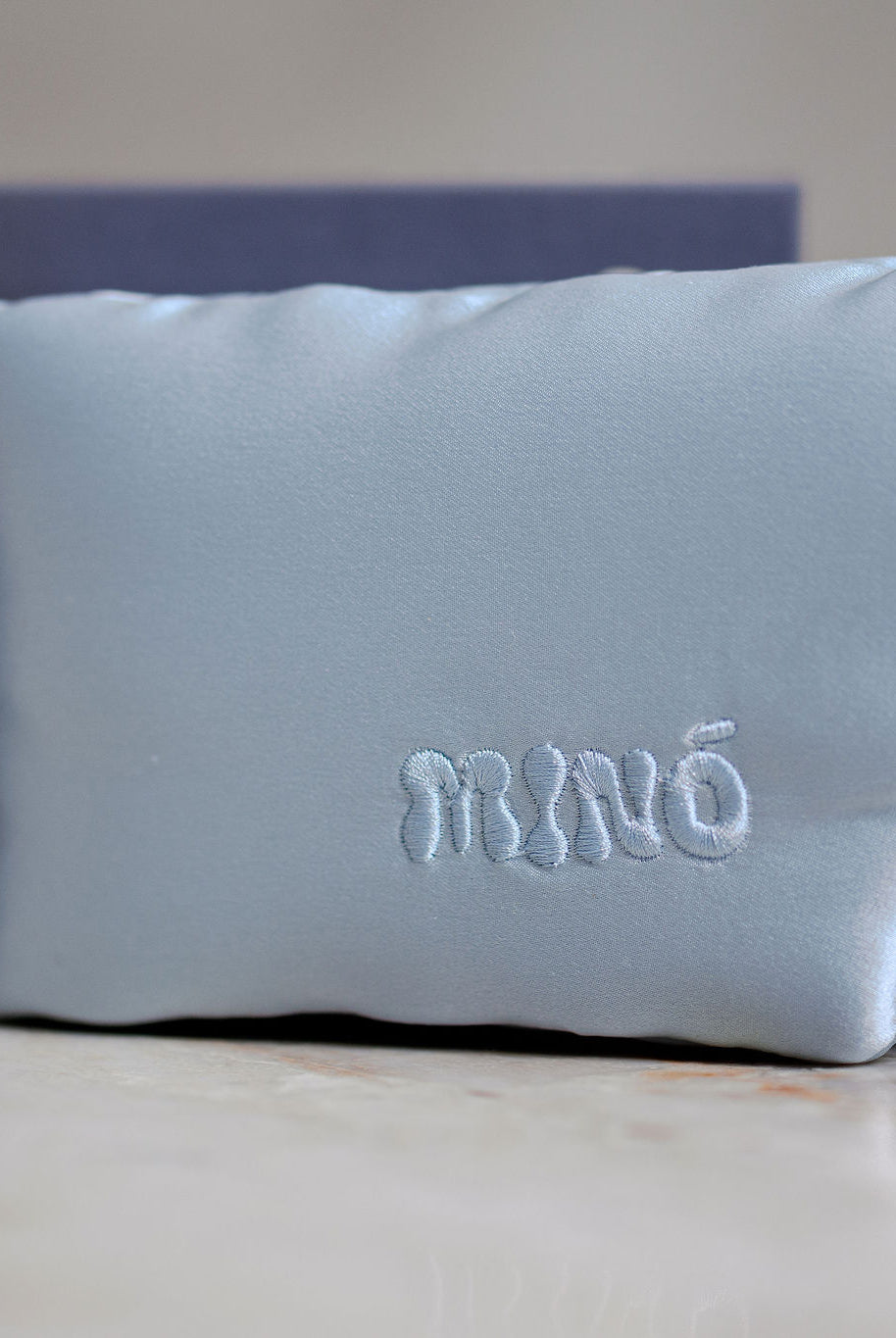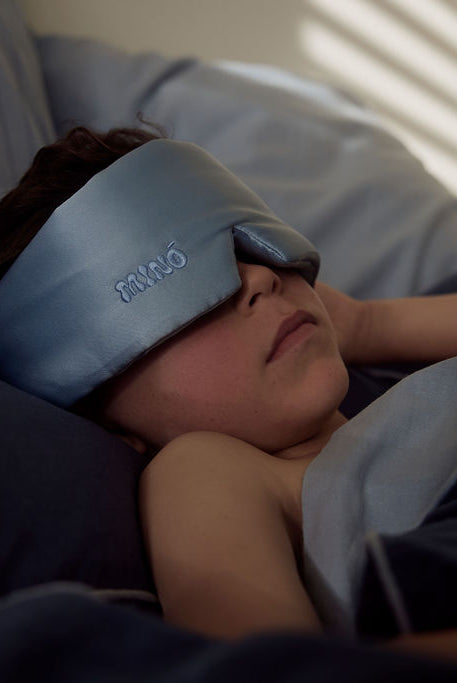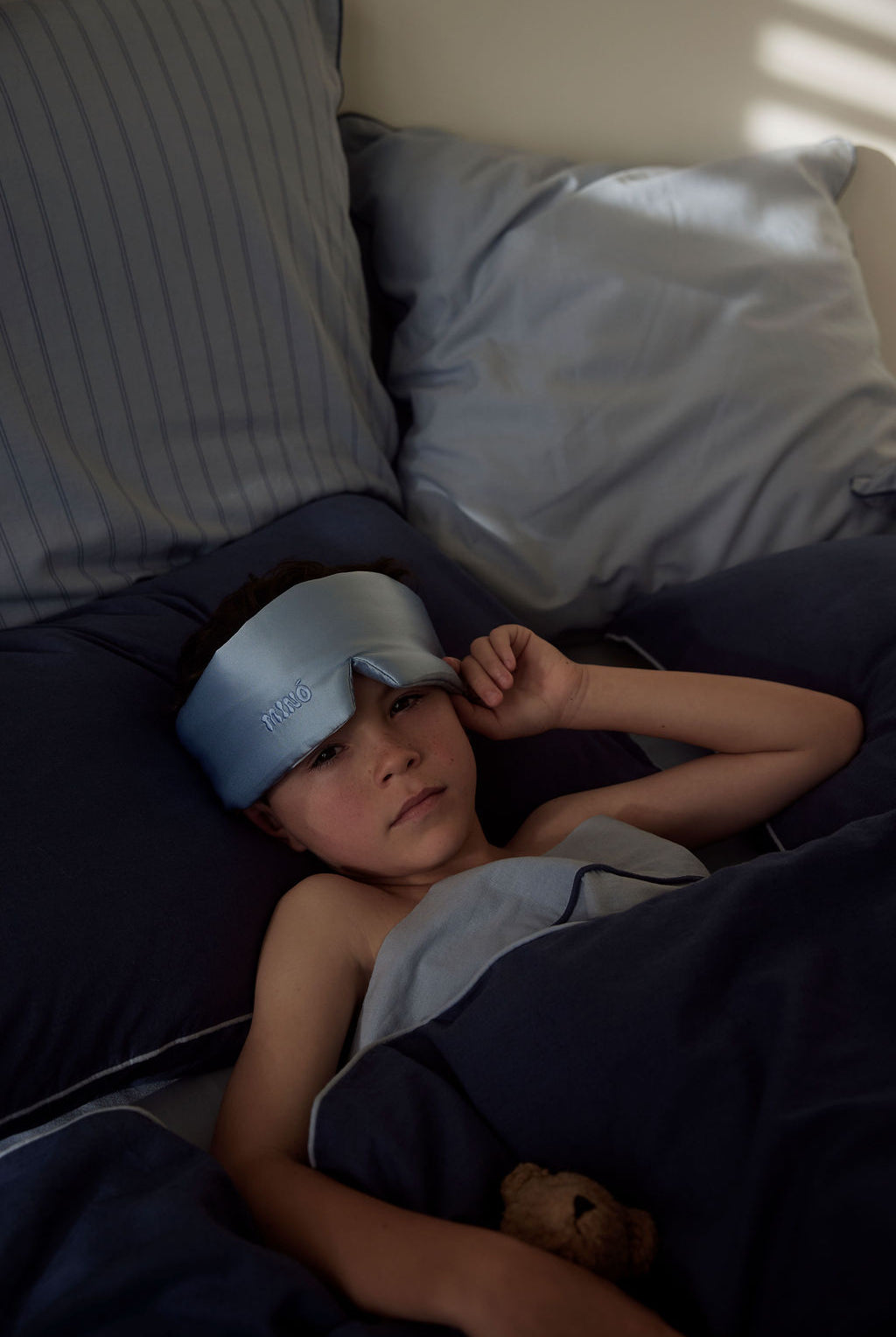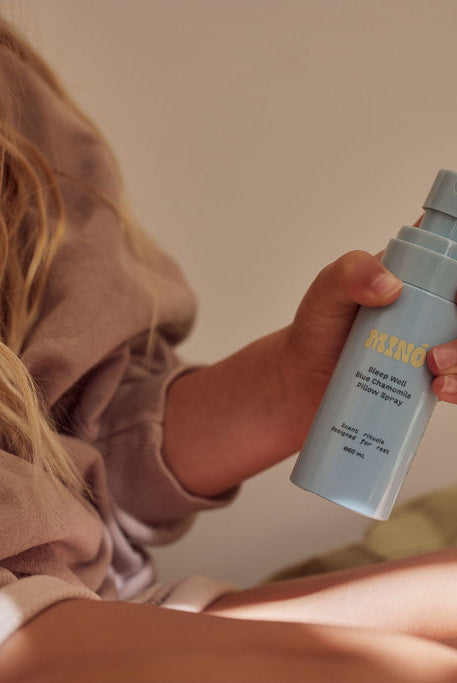


If your child lies awake long after lights out, the environment may still be signalling wakefulness — even when the routine is right. Falling asleep is not a decision. It is a biological process. And light is one of the most powerful things controlling it.

The Science
Melatonin — the hormone that initiates sleep — is produced in direct response to darkness. It is not on a fixed timer. It waits for the light to go away.
Children’s eyes are more sensitive to light than adults’. The lens is clearer, letting more blue-spectrum light reach the retina. A low-level night light or a screen left on across the room can delay melatonin production by 30 to 60 minutes.
Colour plays a role too. Bright, high-contrast colours activate the part of the brain responsible for keeping you awake. Pale or reflective fabrics bounce ambient light back into the room. Children are more reactive to visual stimulation than adults because their visual cortex is still maturing. A room that looks calm to us may not register that way to them.
Reducing visual stimulation — in colour, contrast, and light — directly reduces the time it takes a child to fall asleep.
Sleep begins before eyes close. Small changes to light and colour can make a real difference to how quickly a child’s brain lets go.