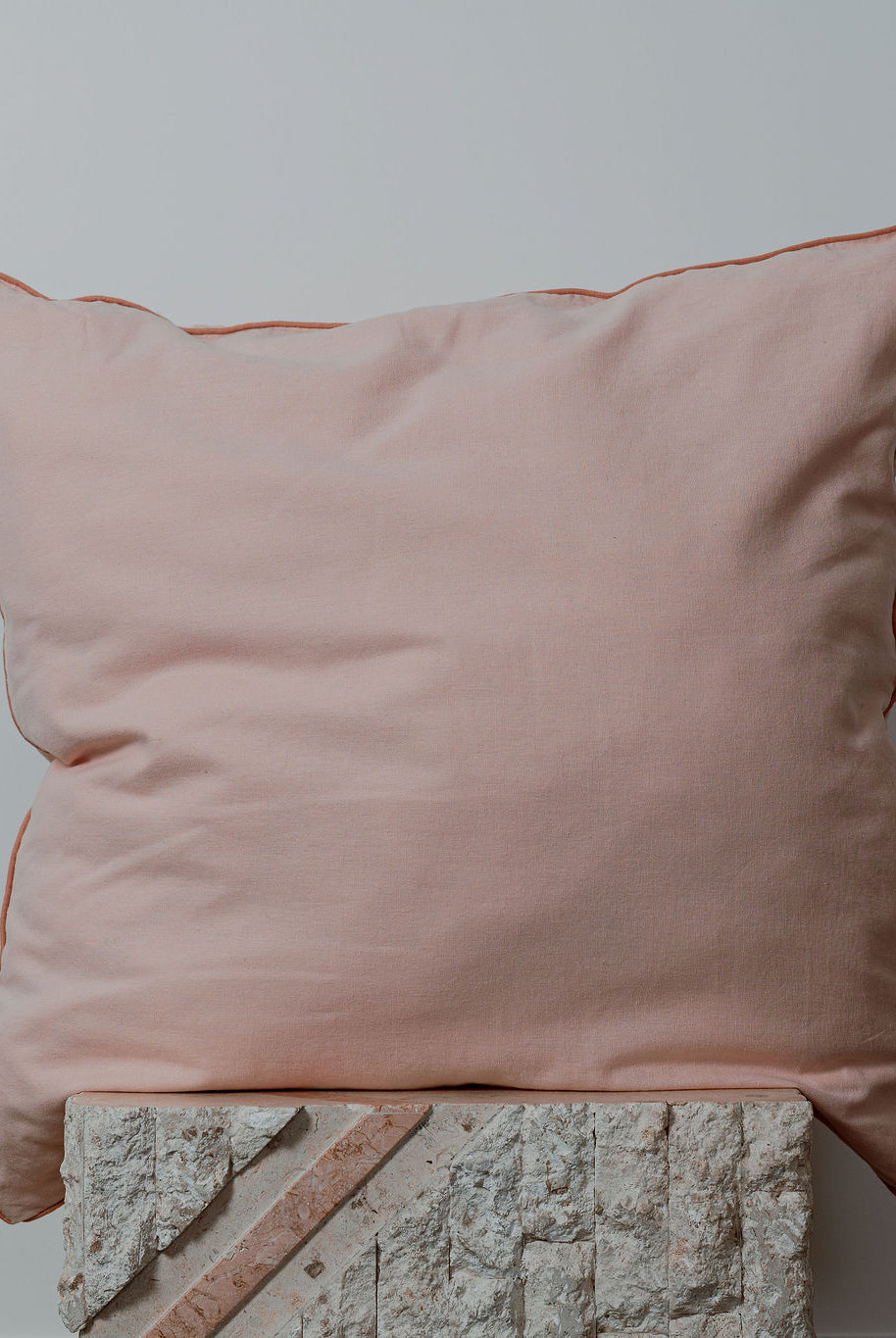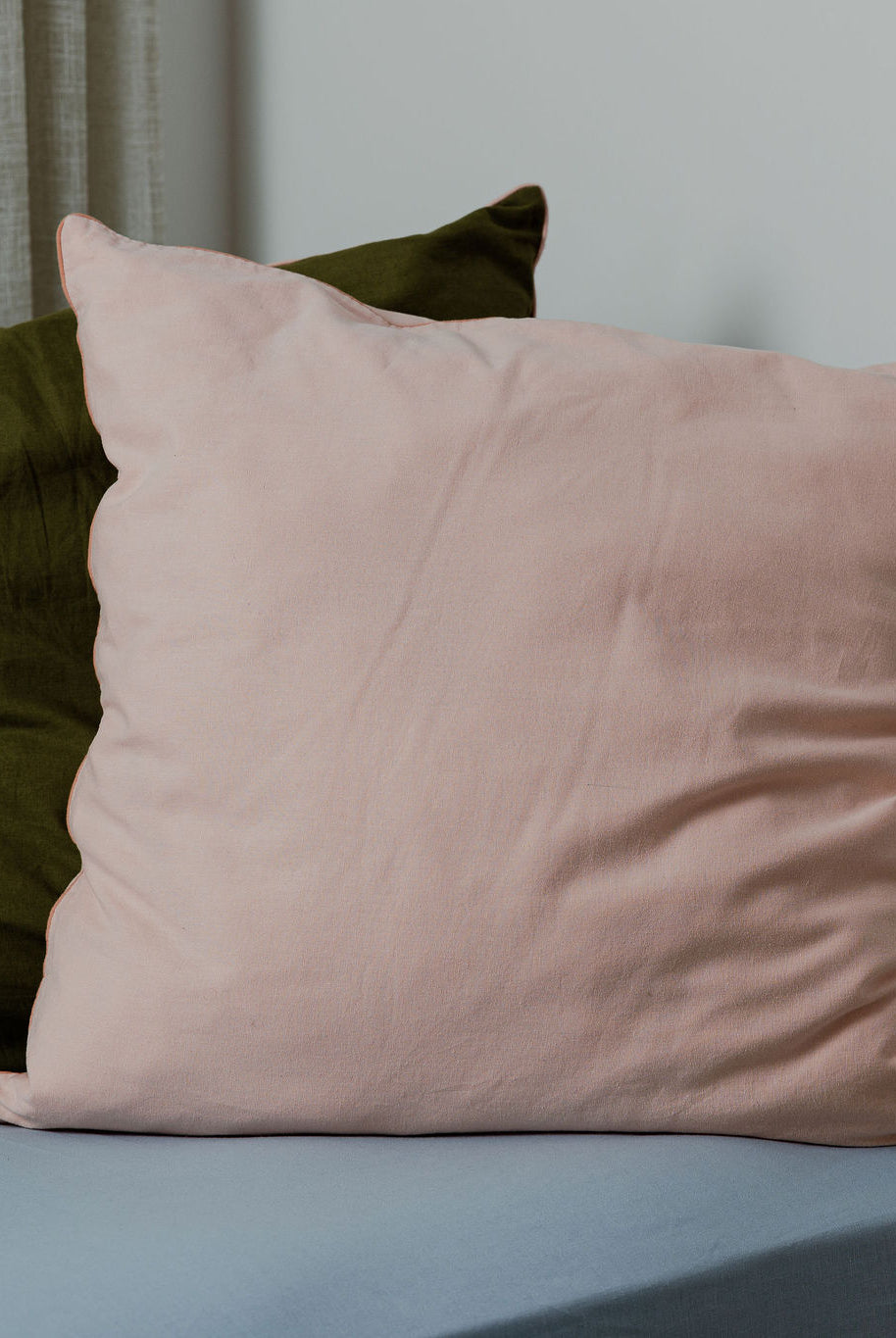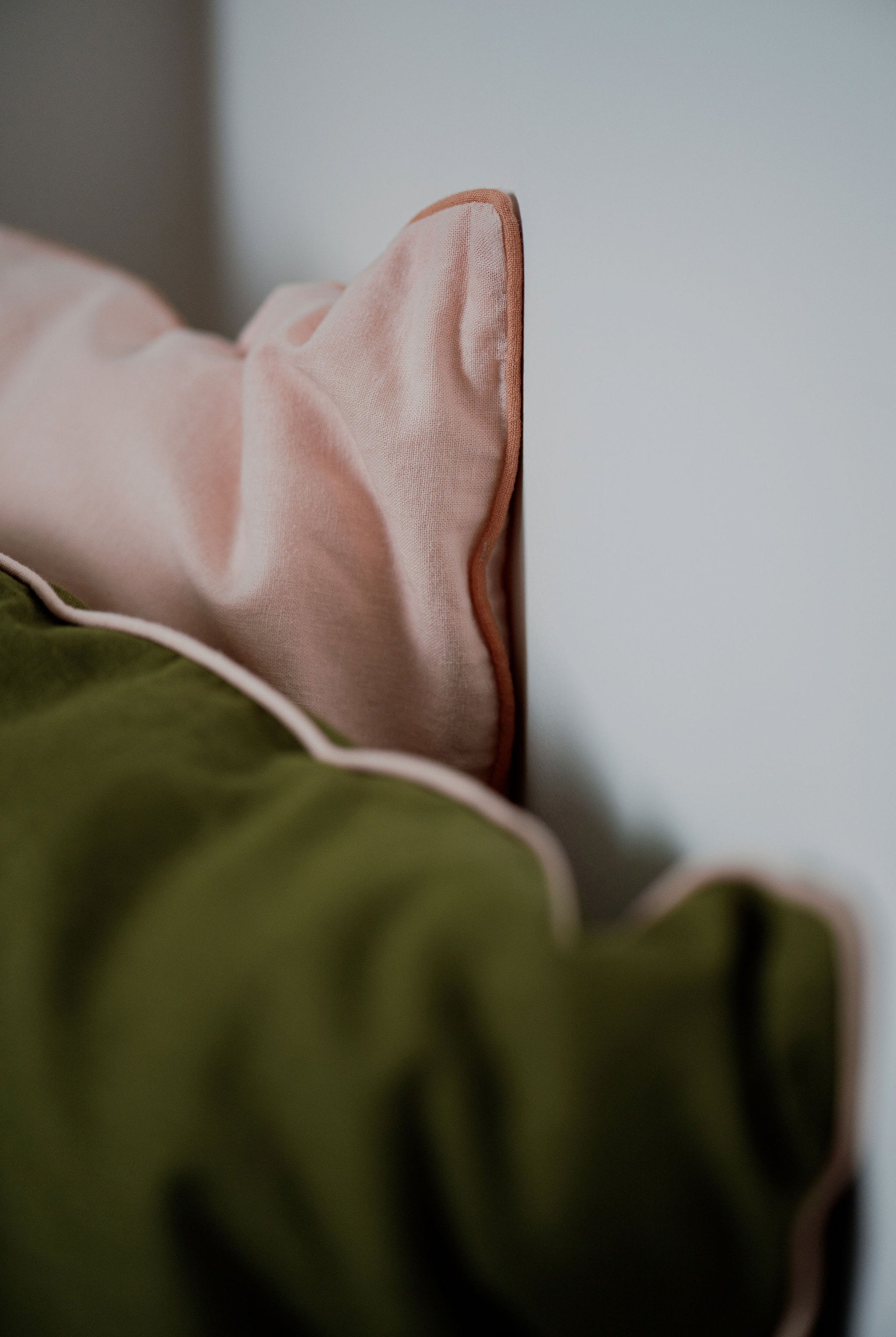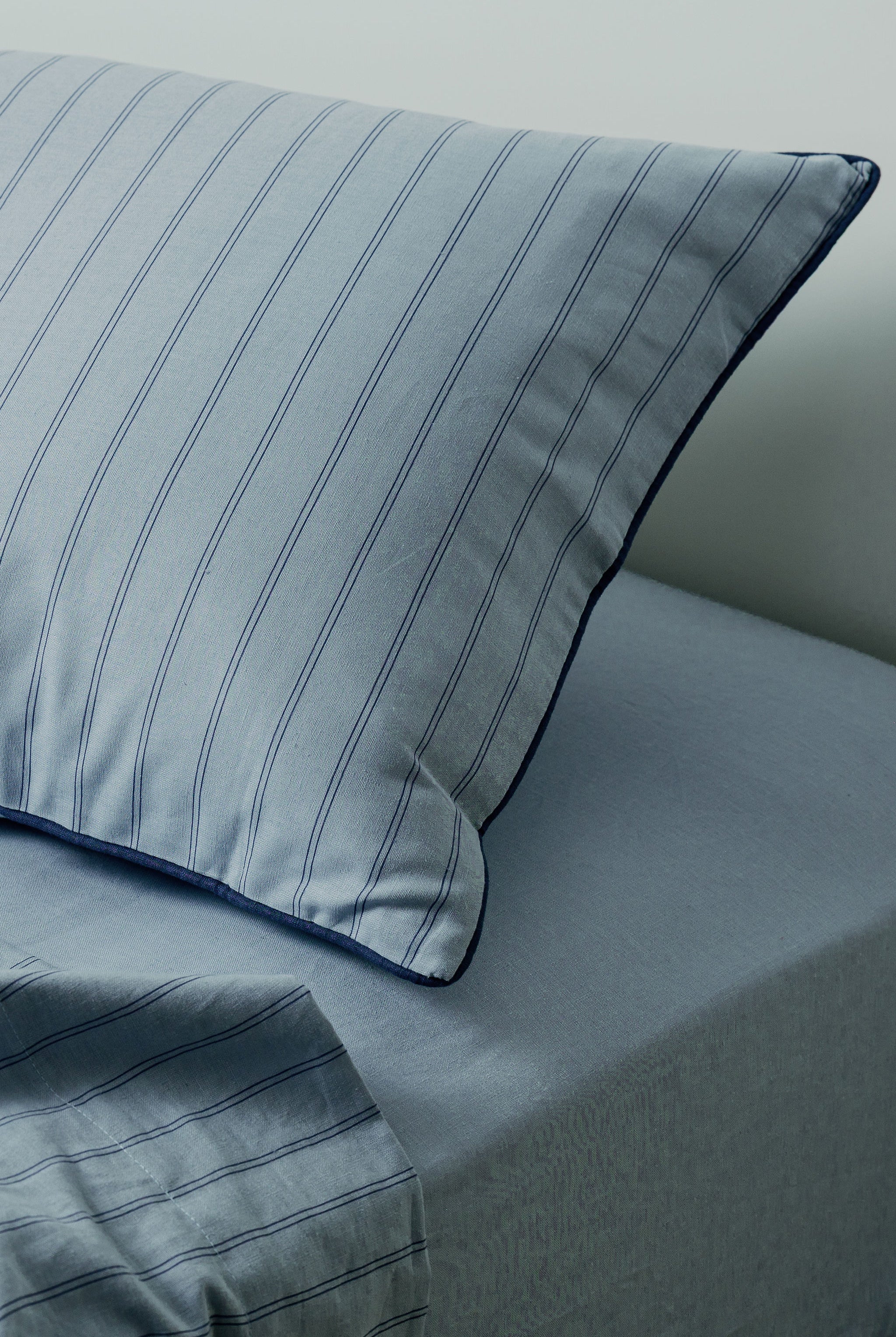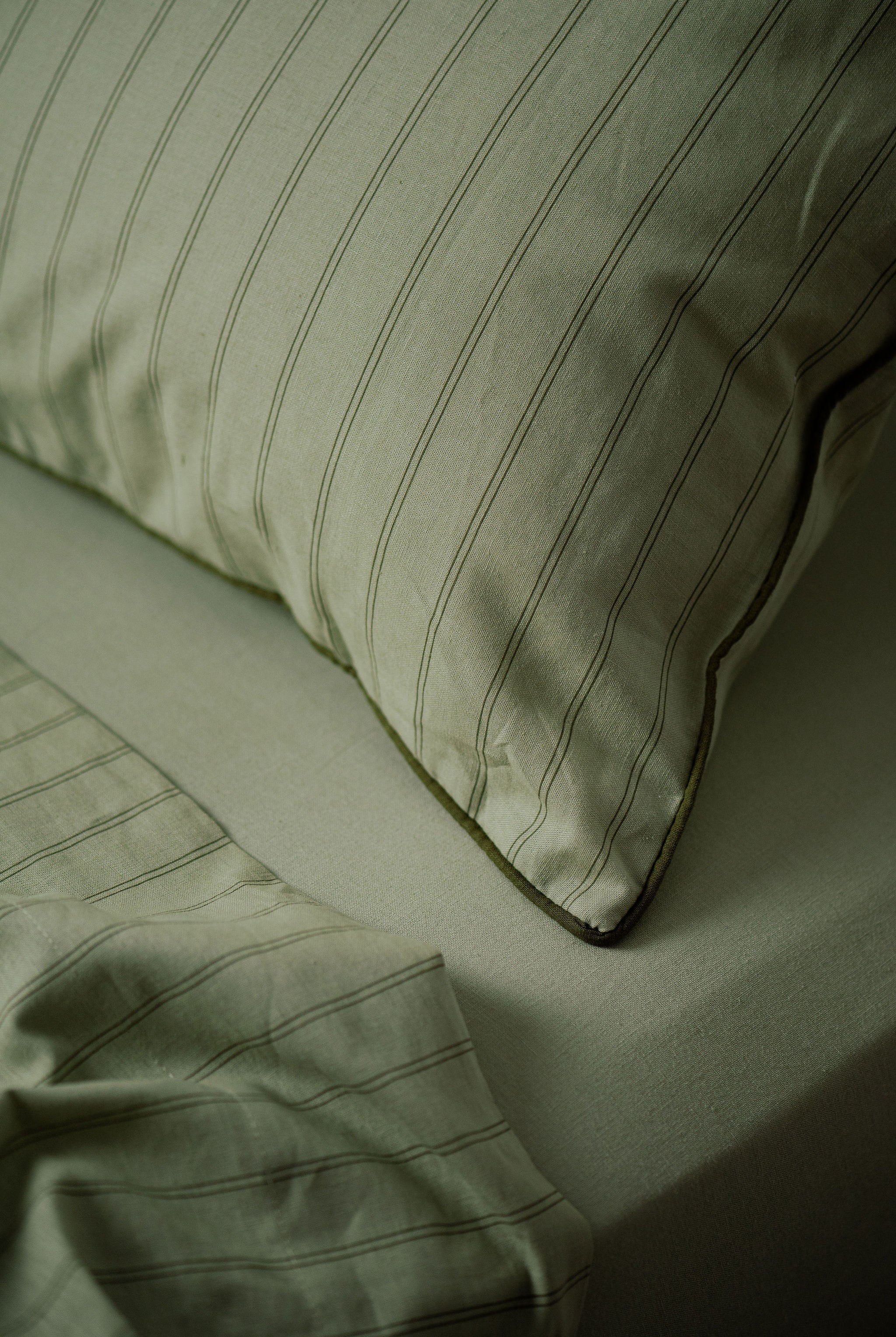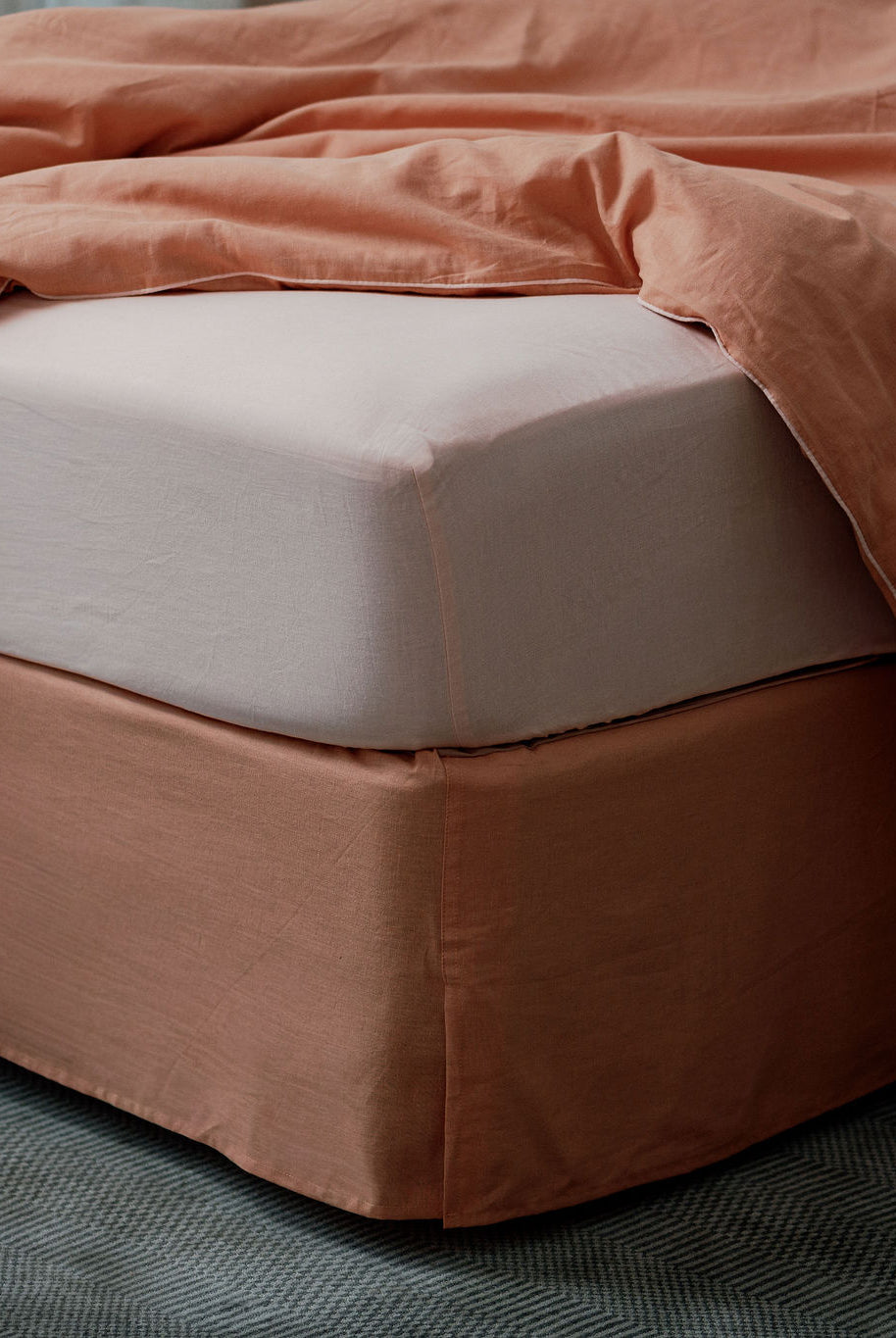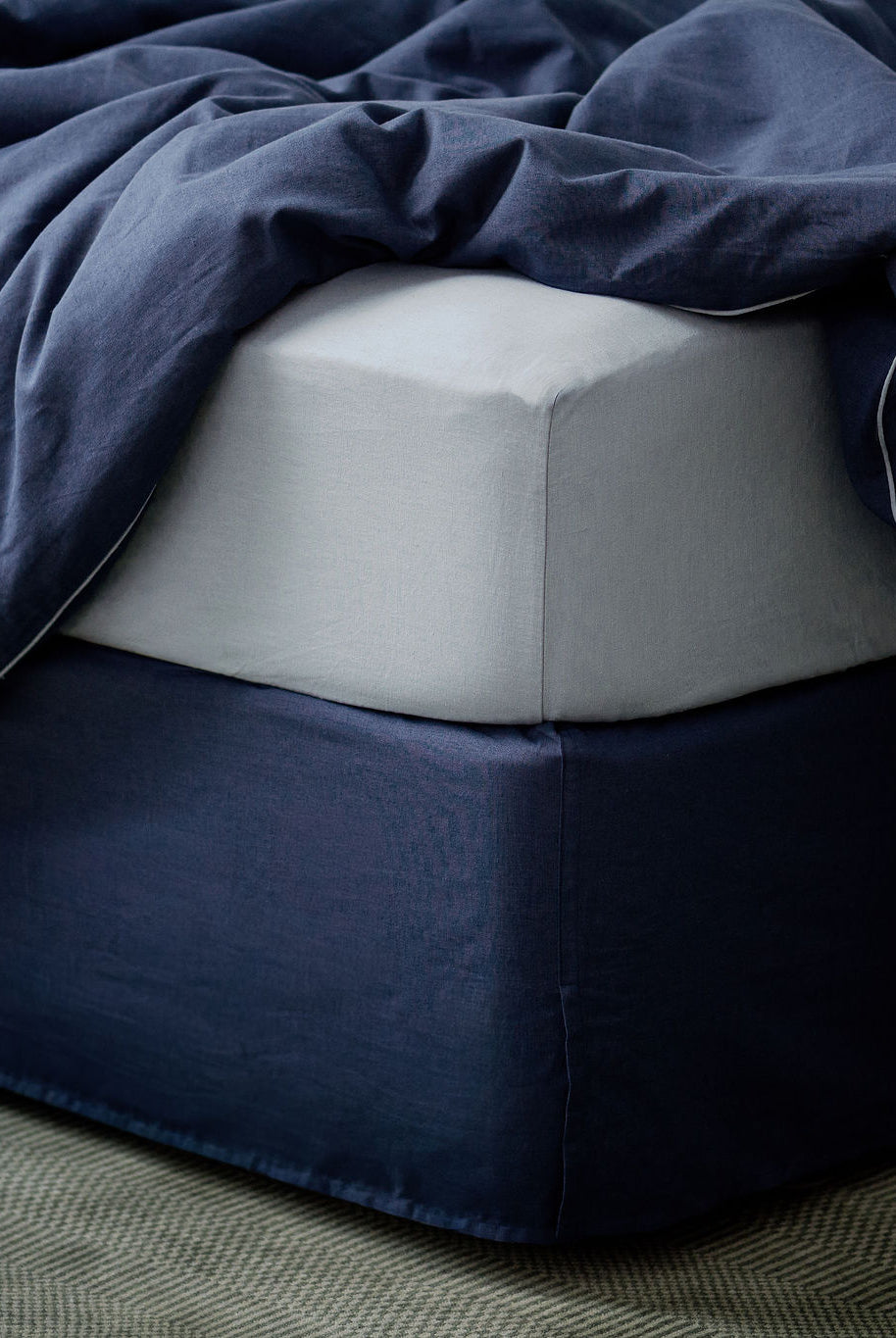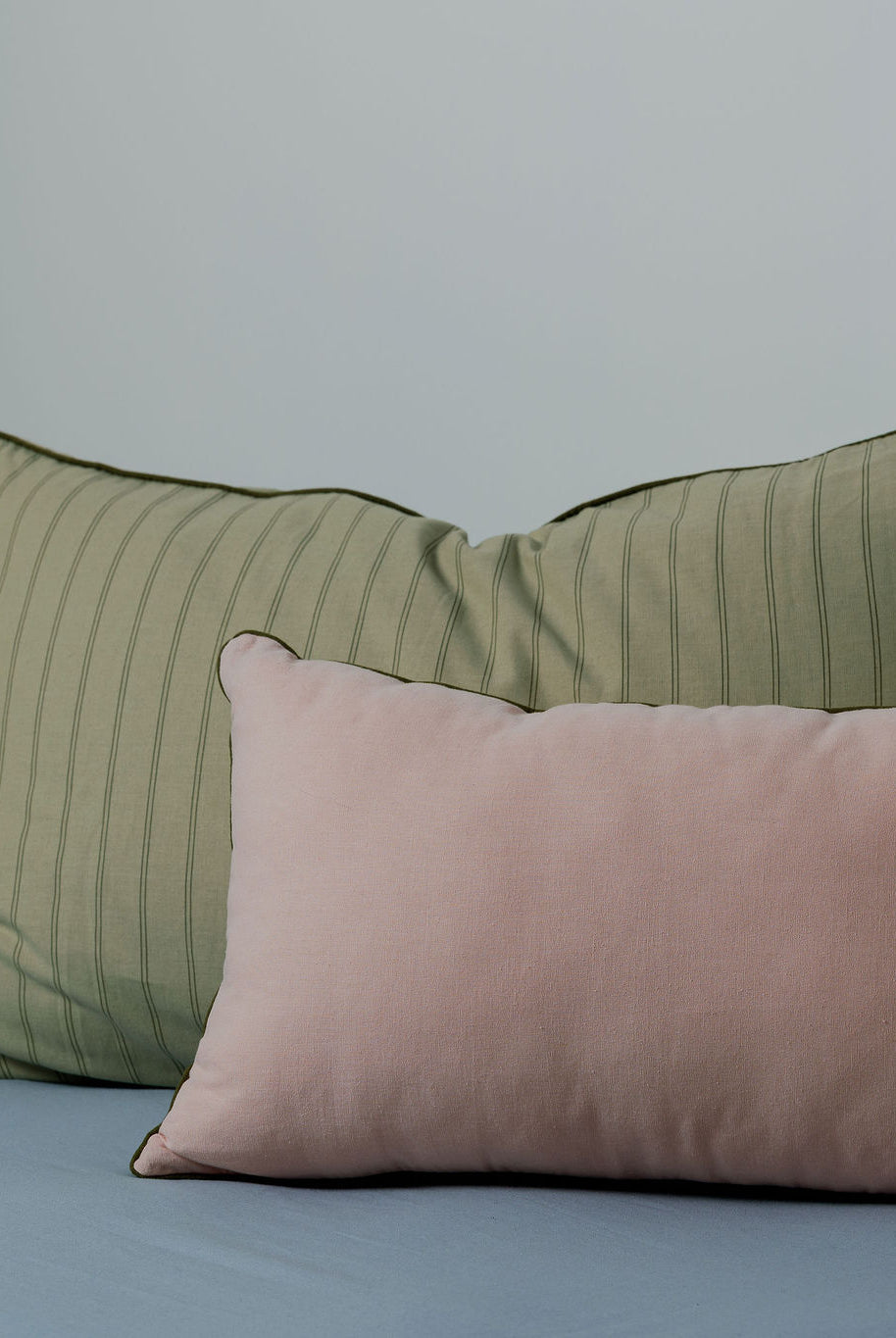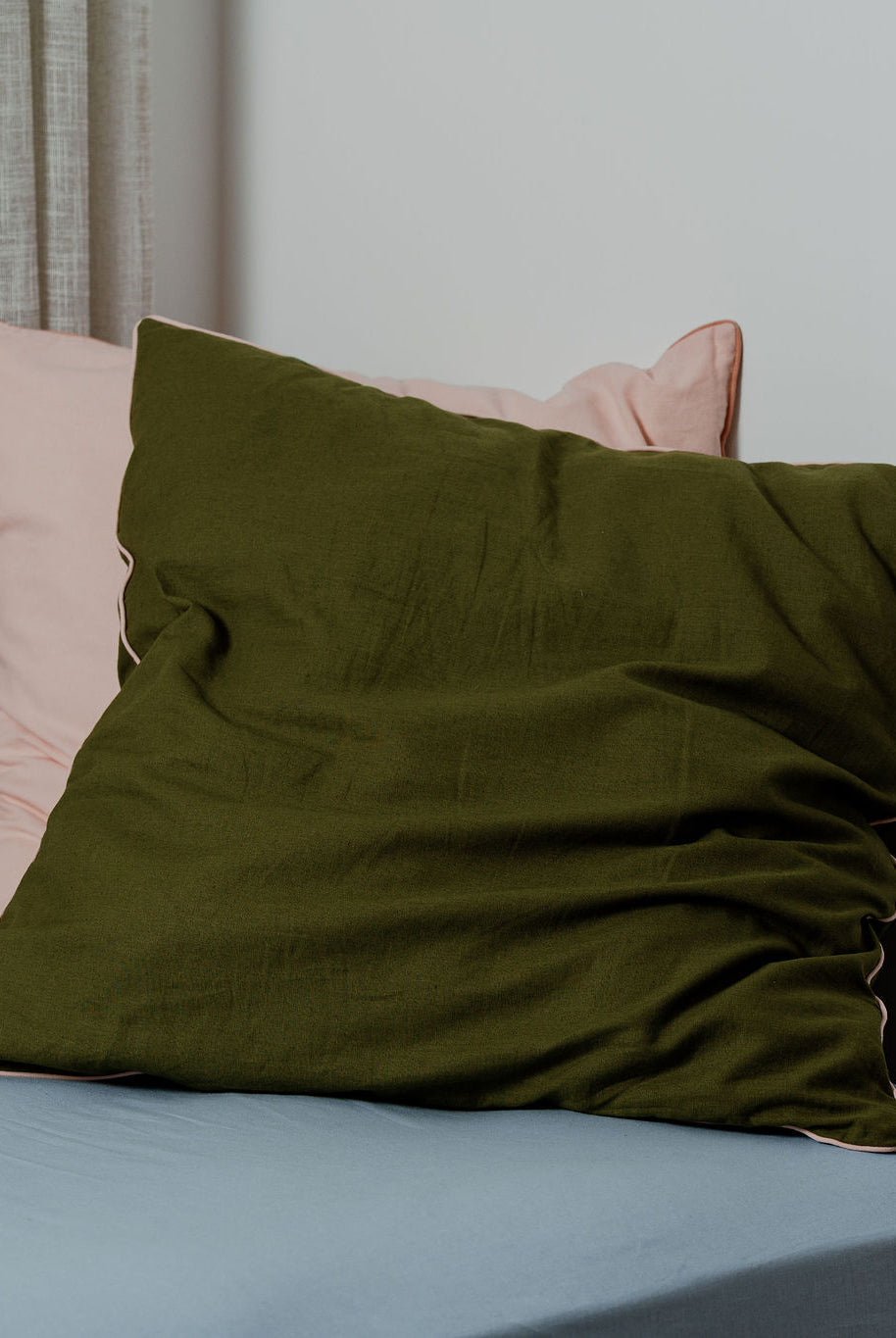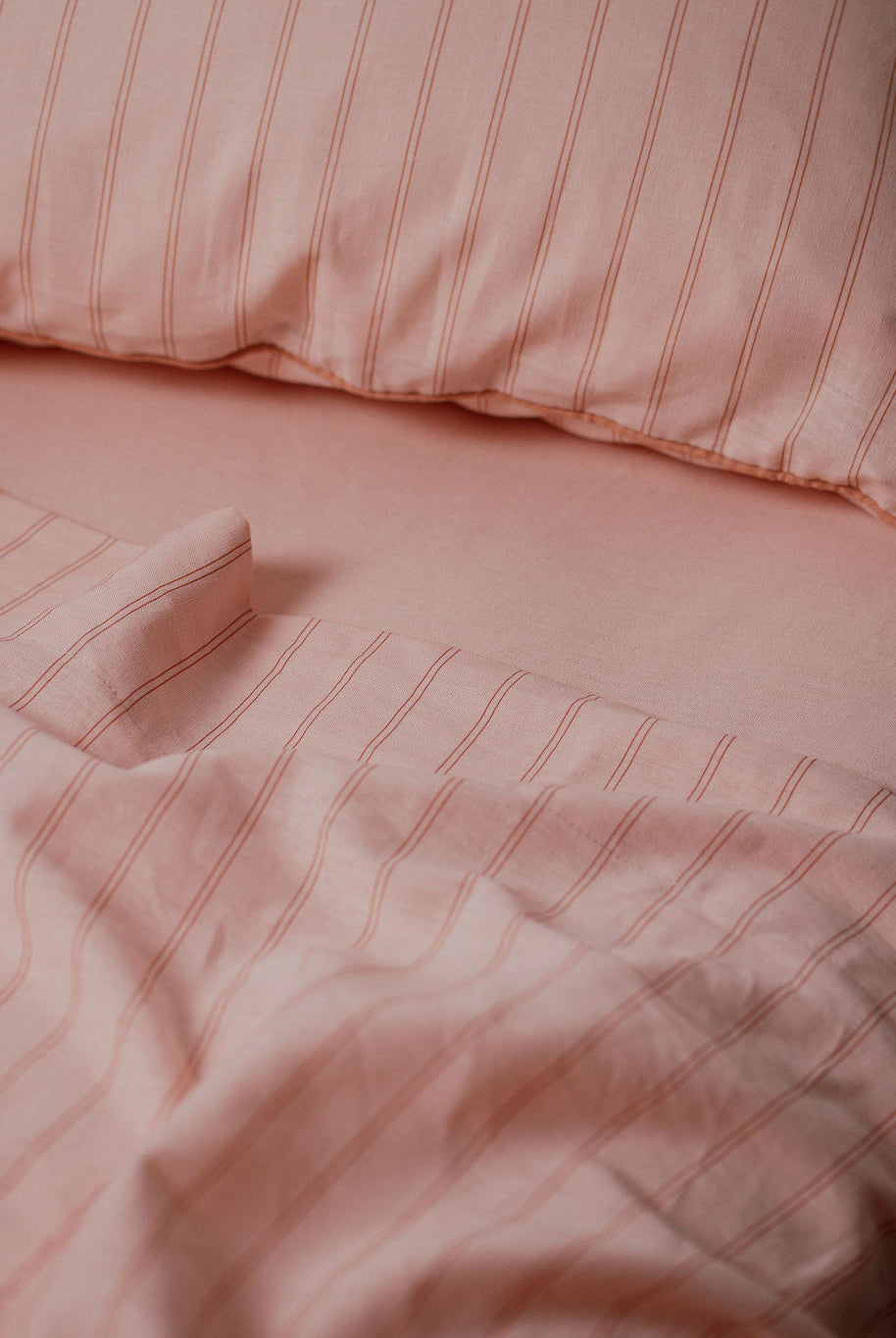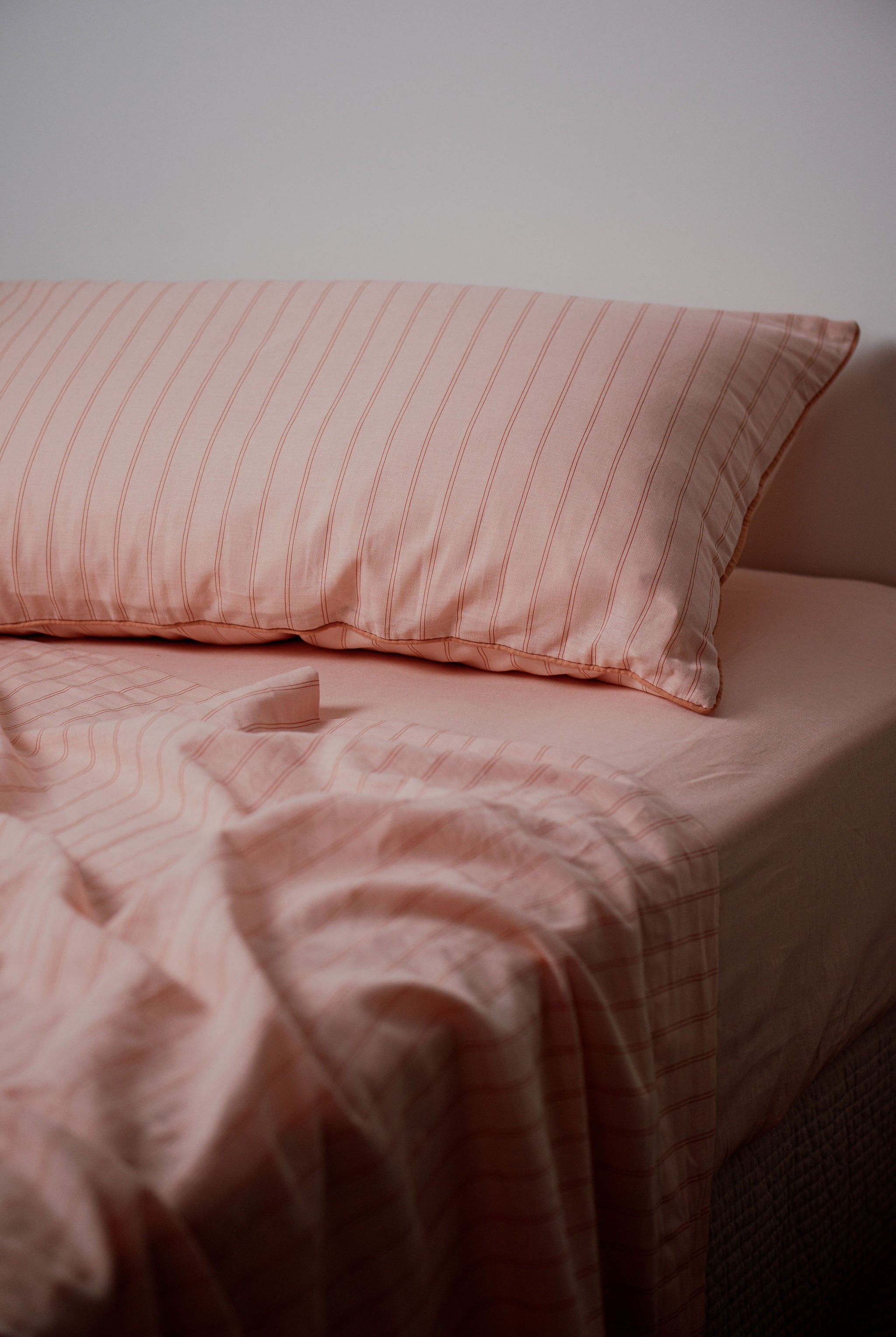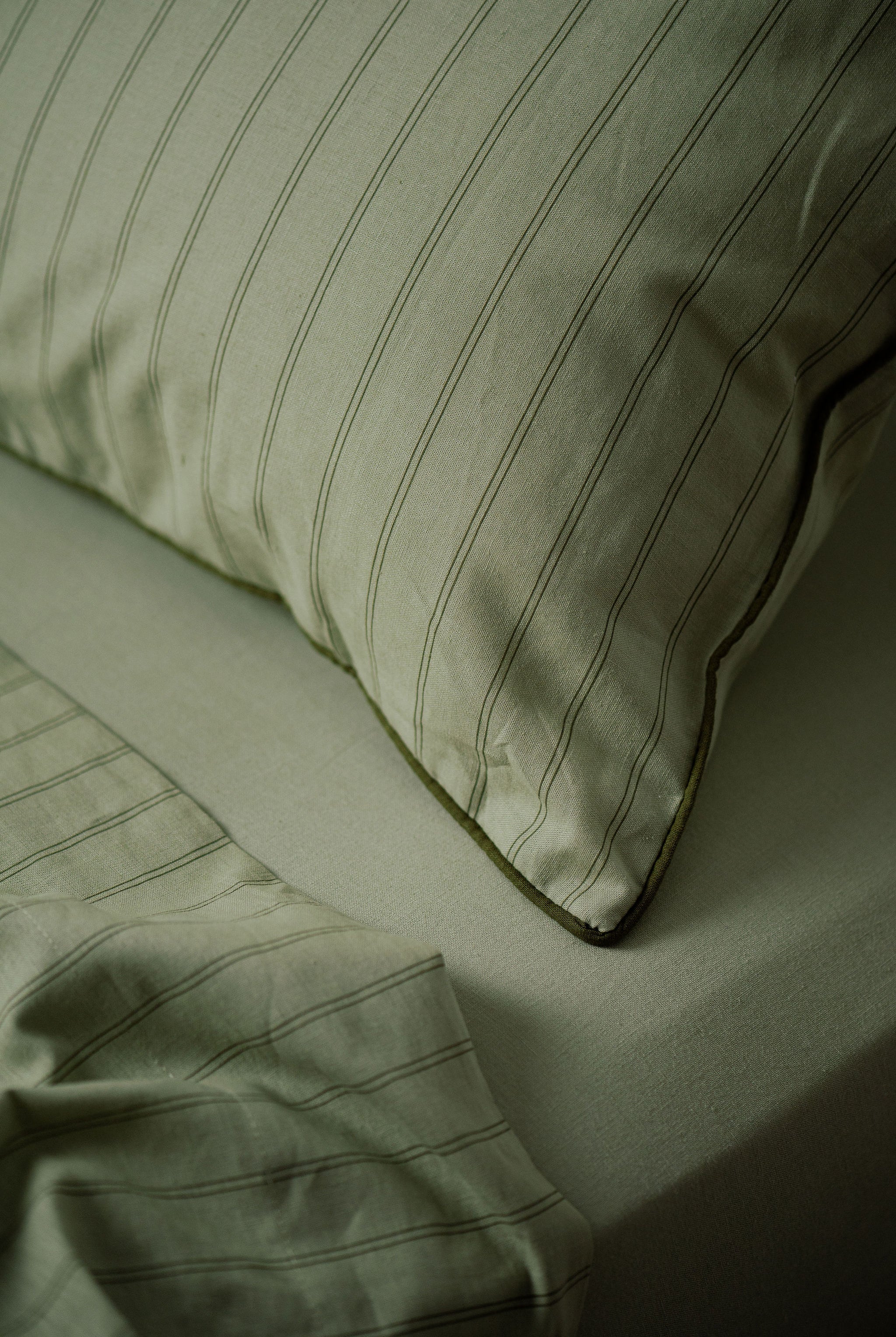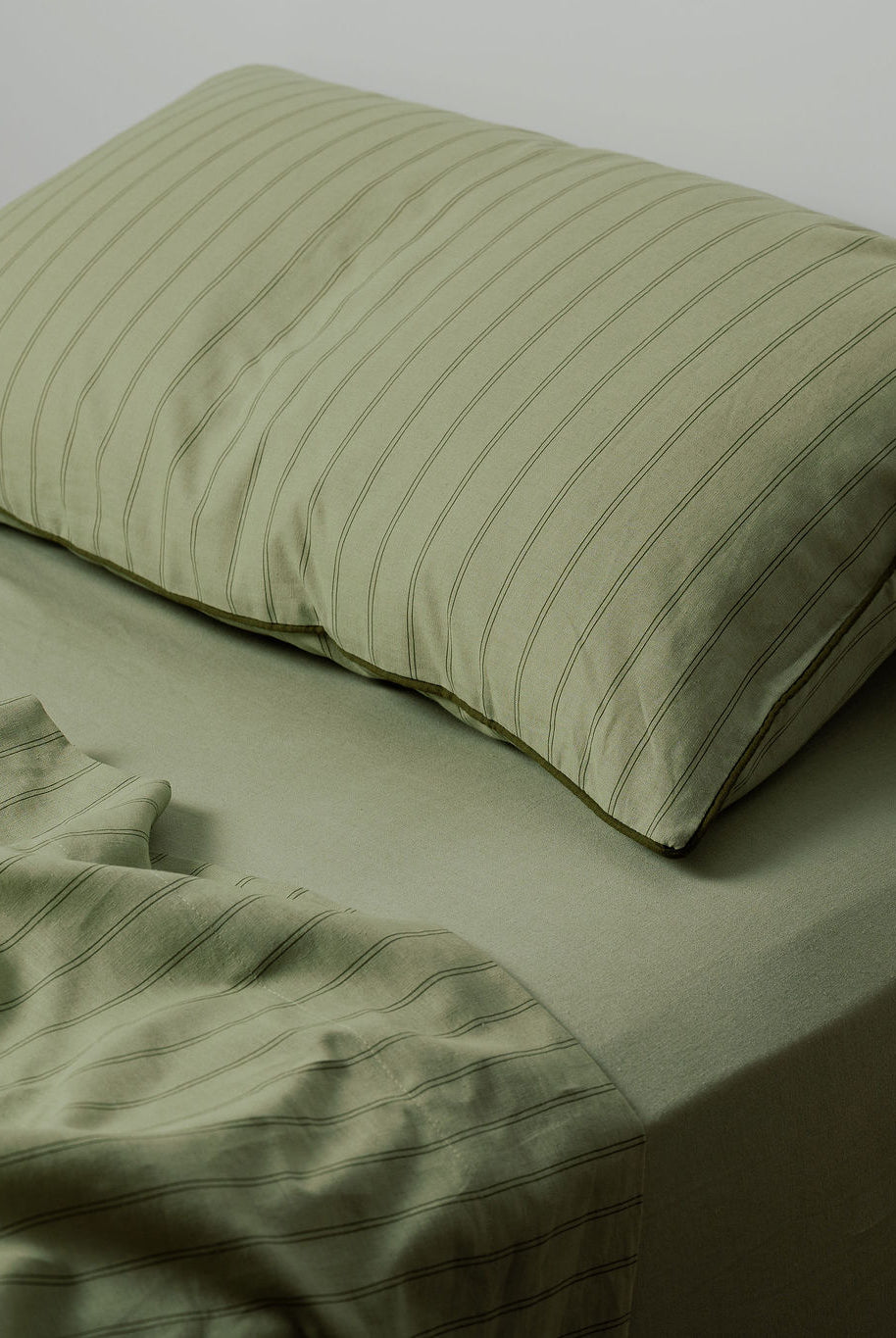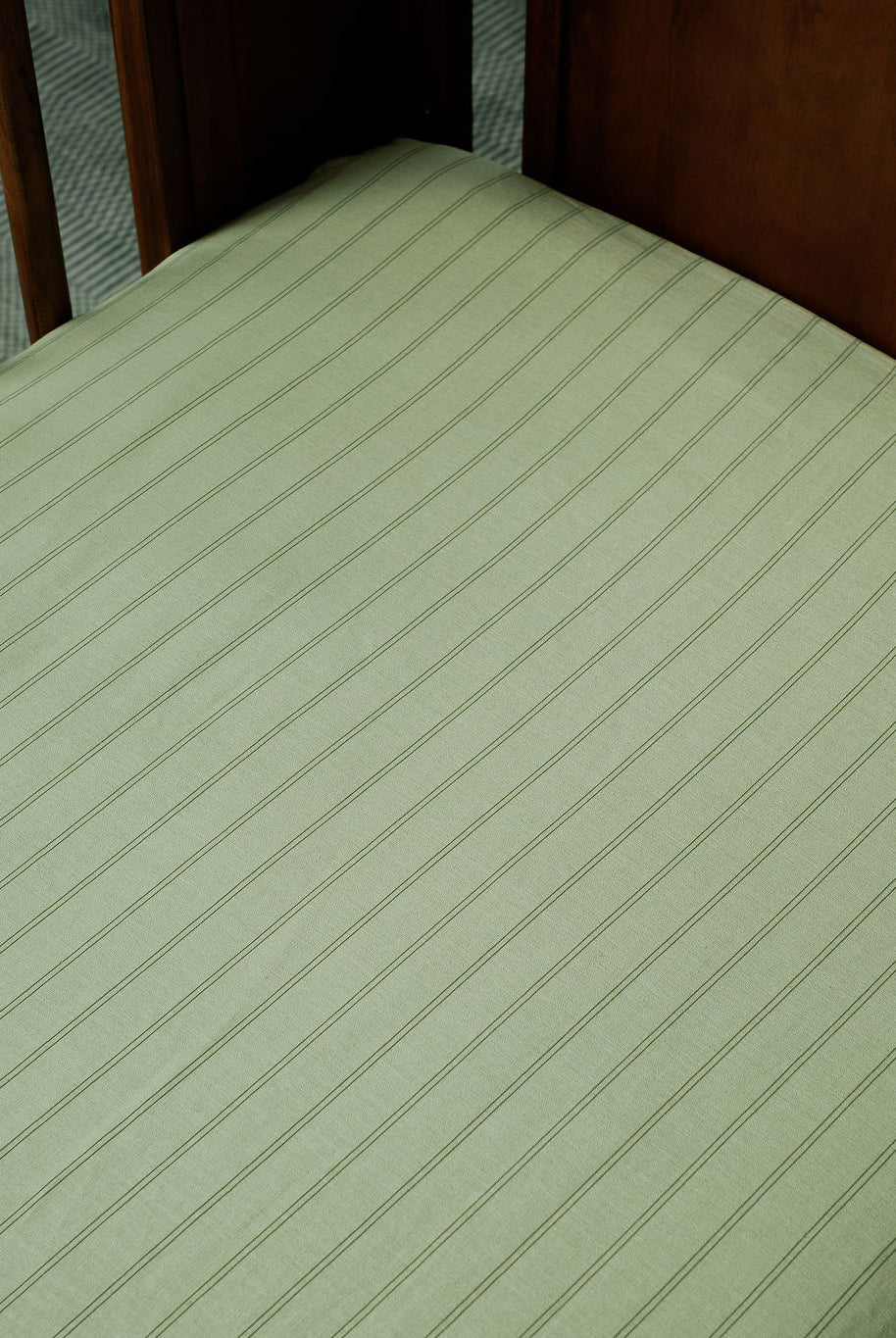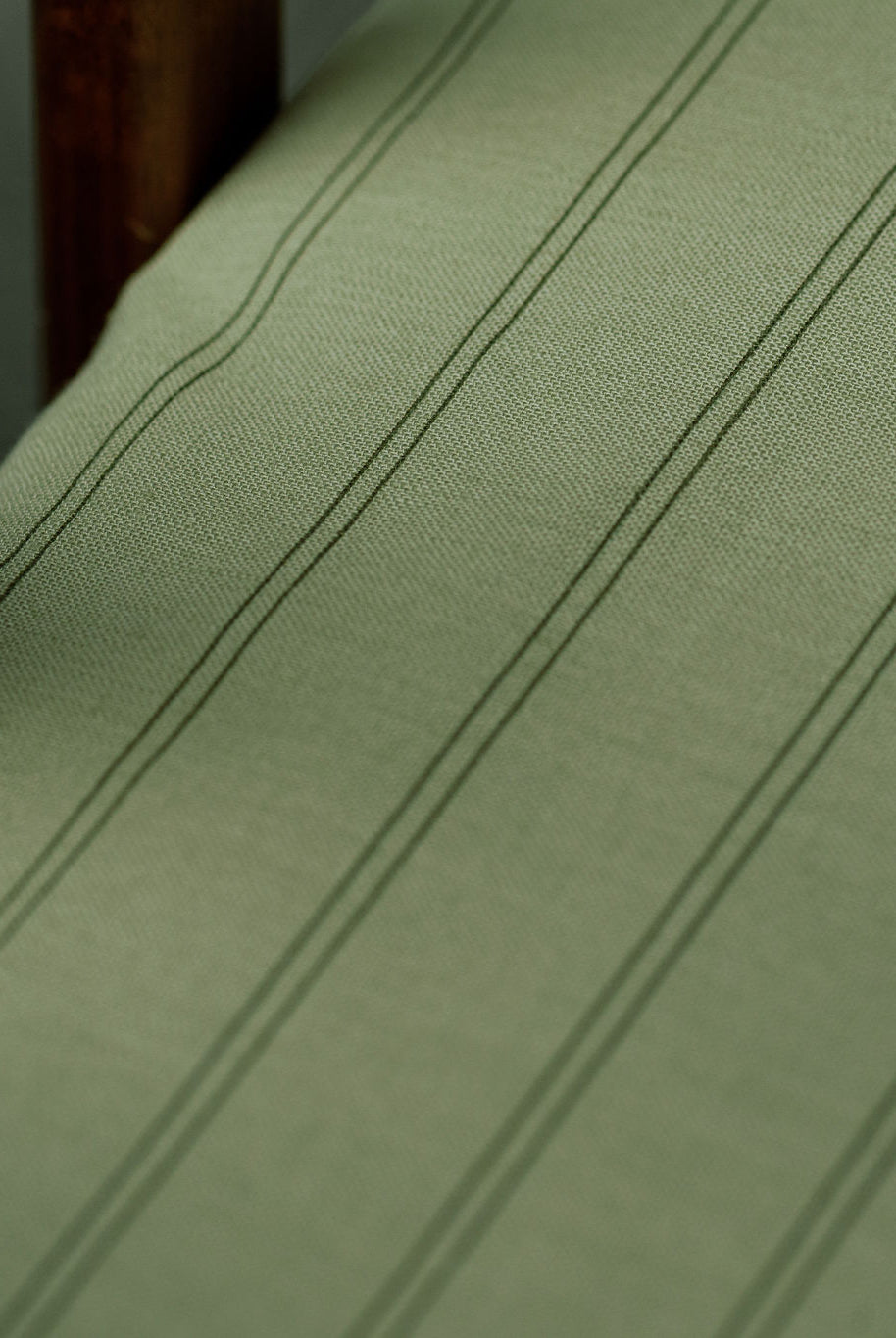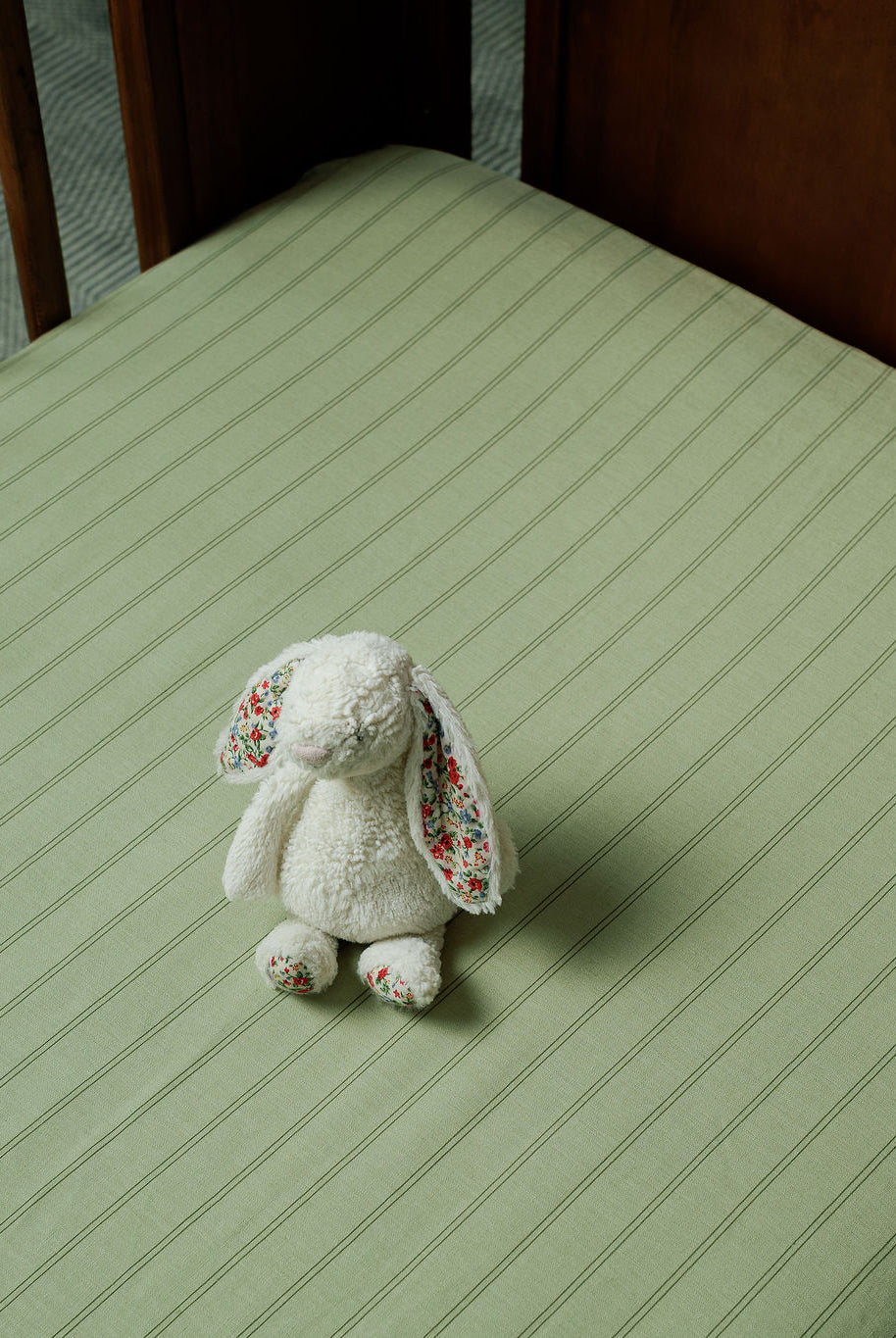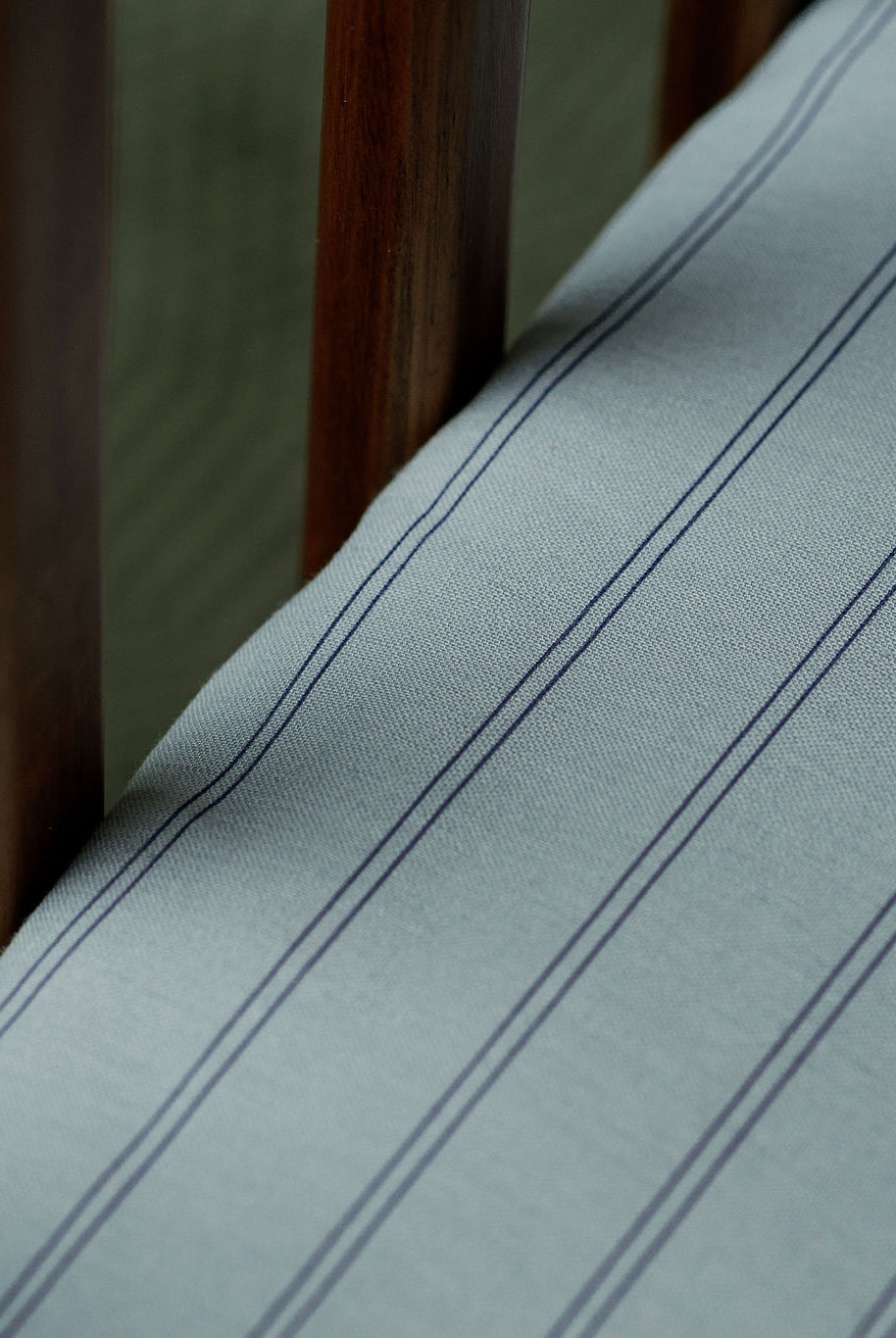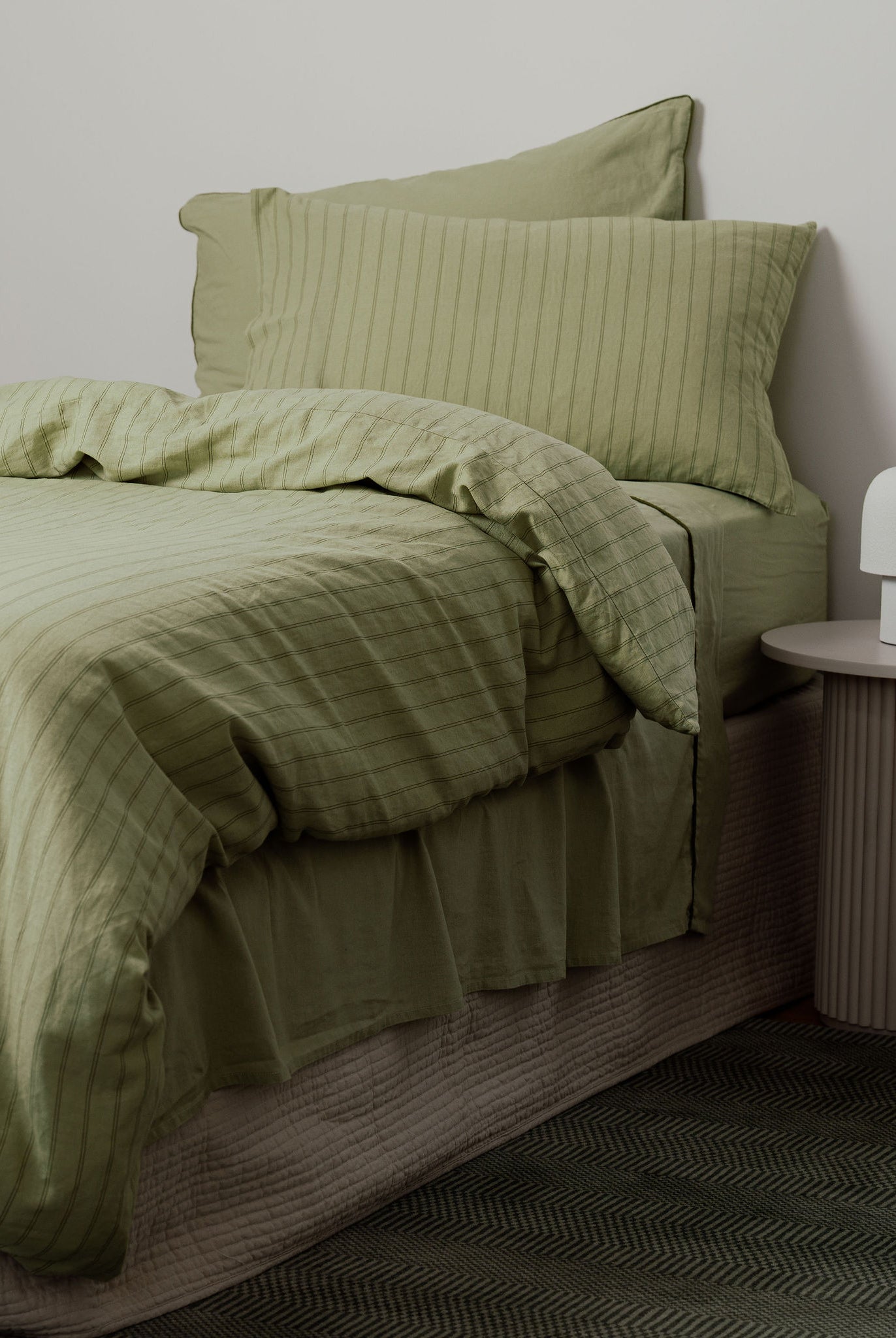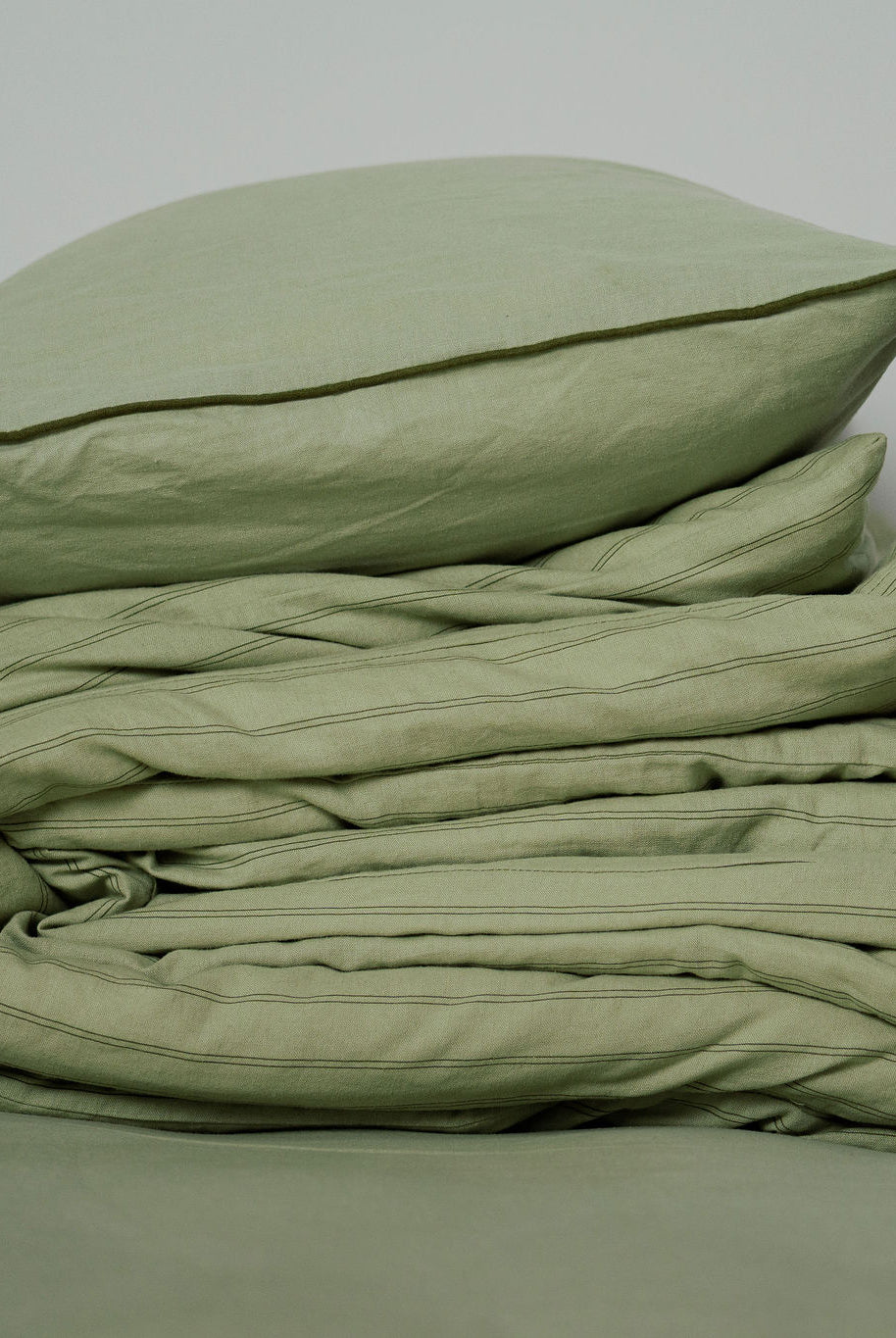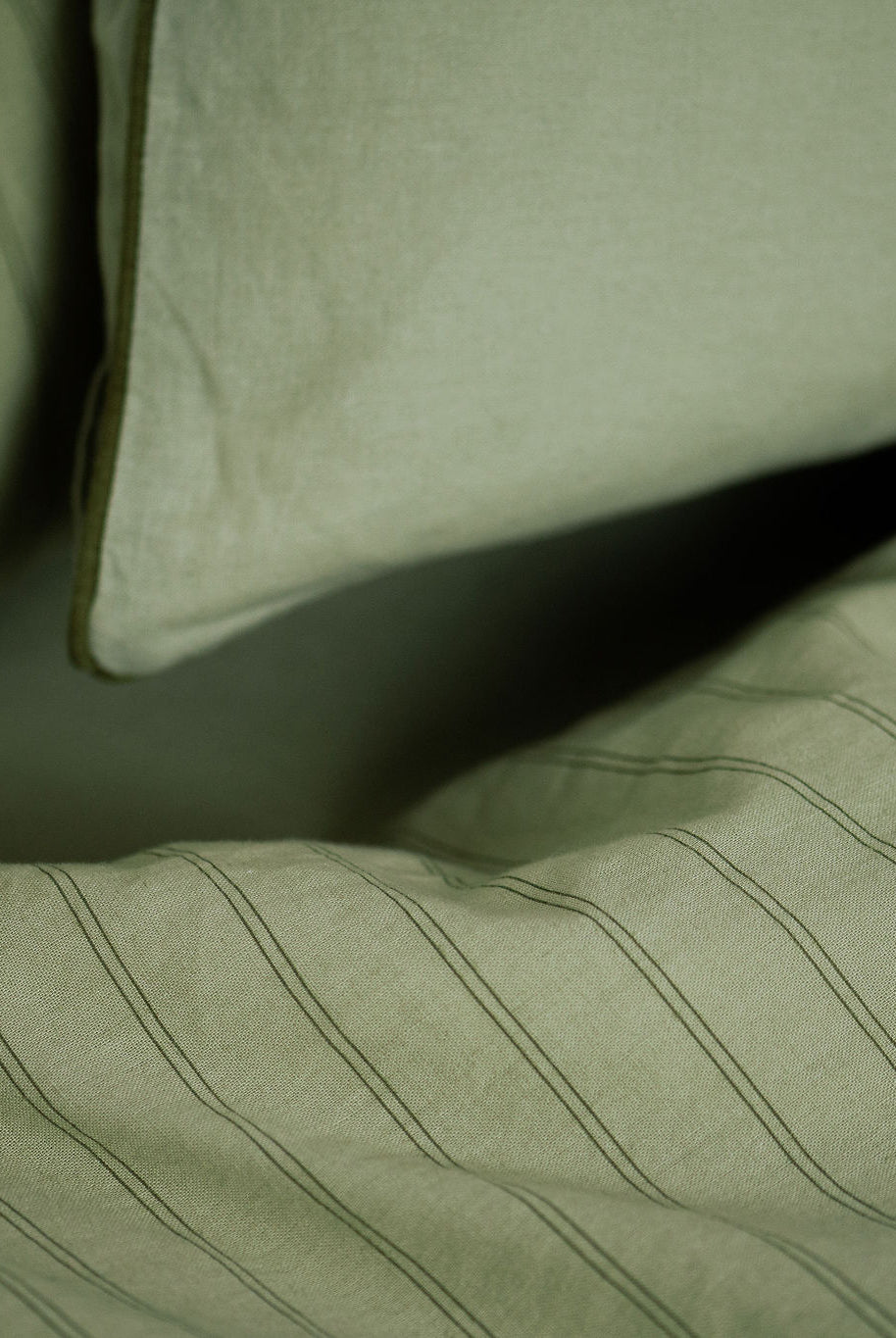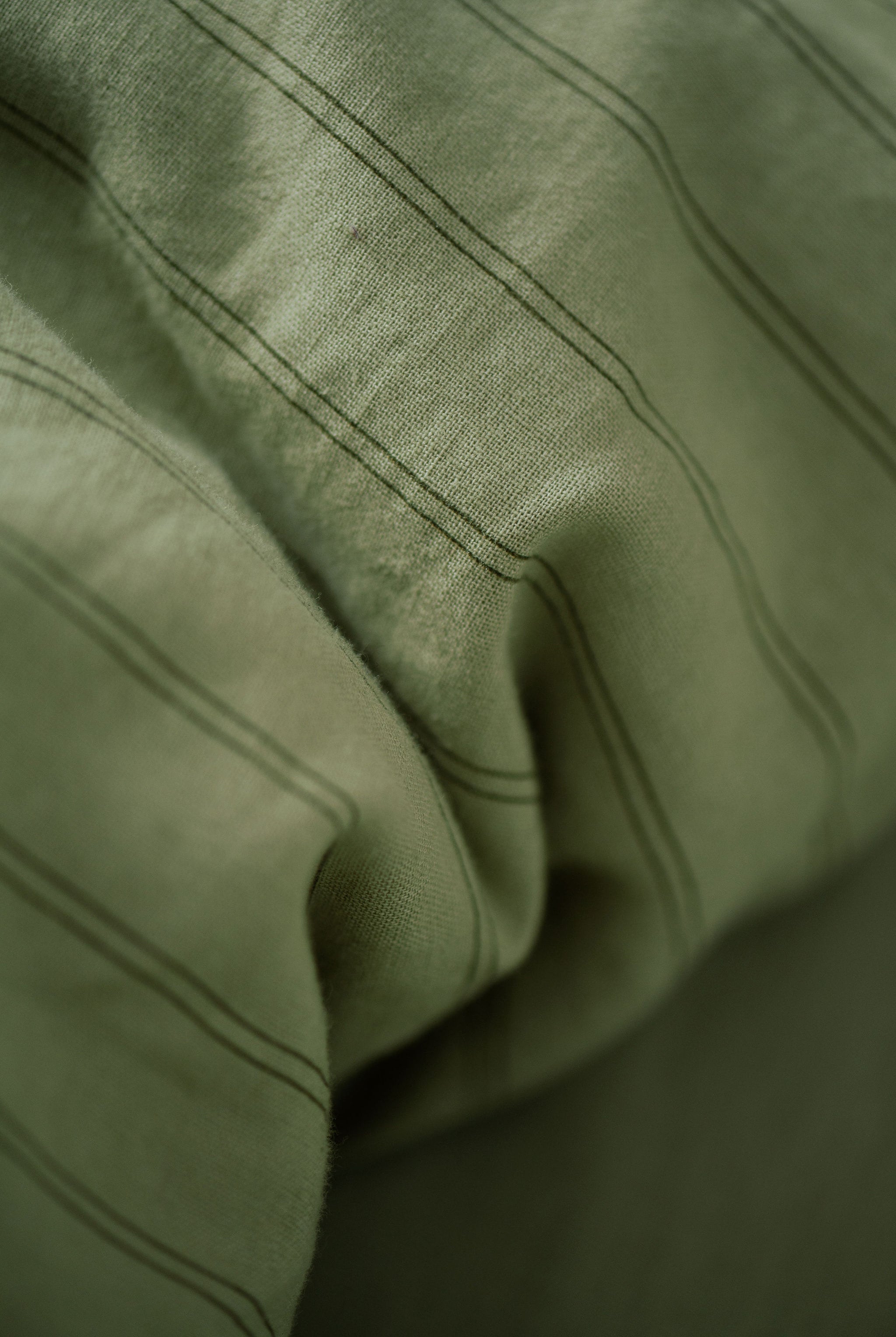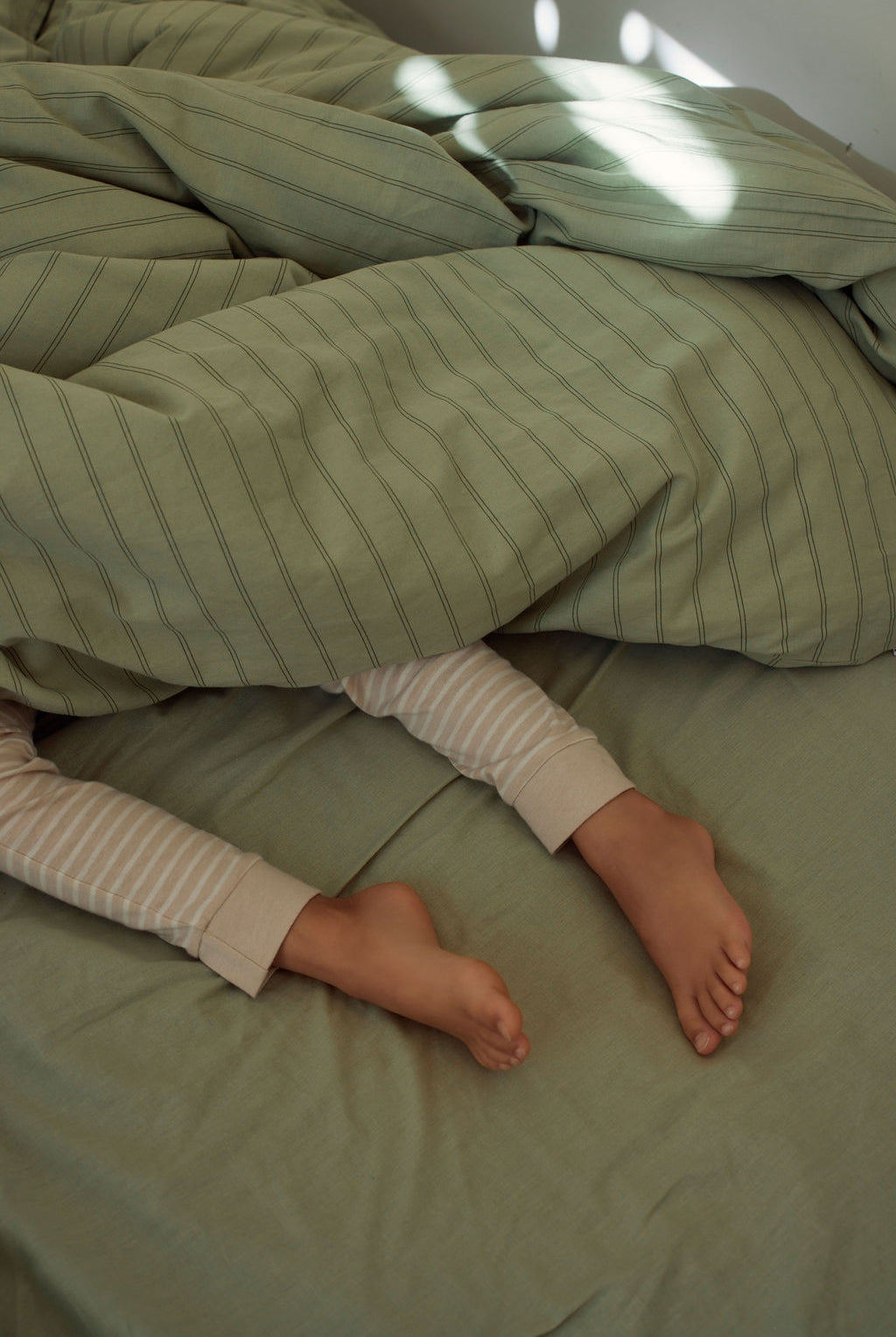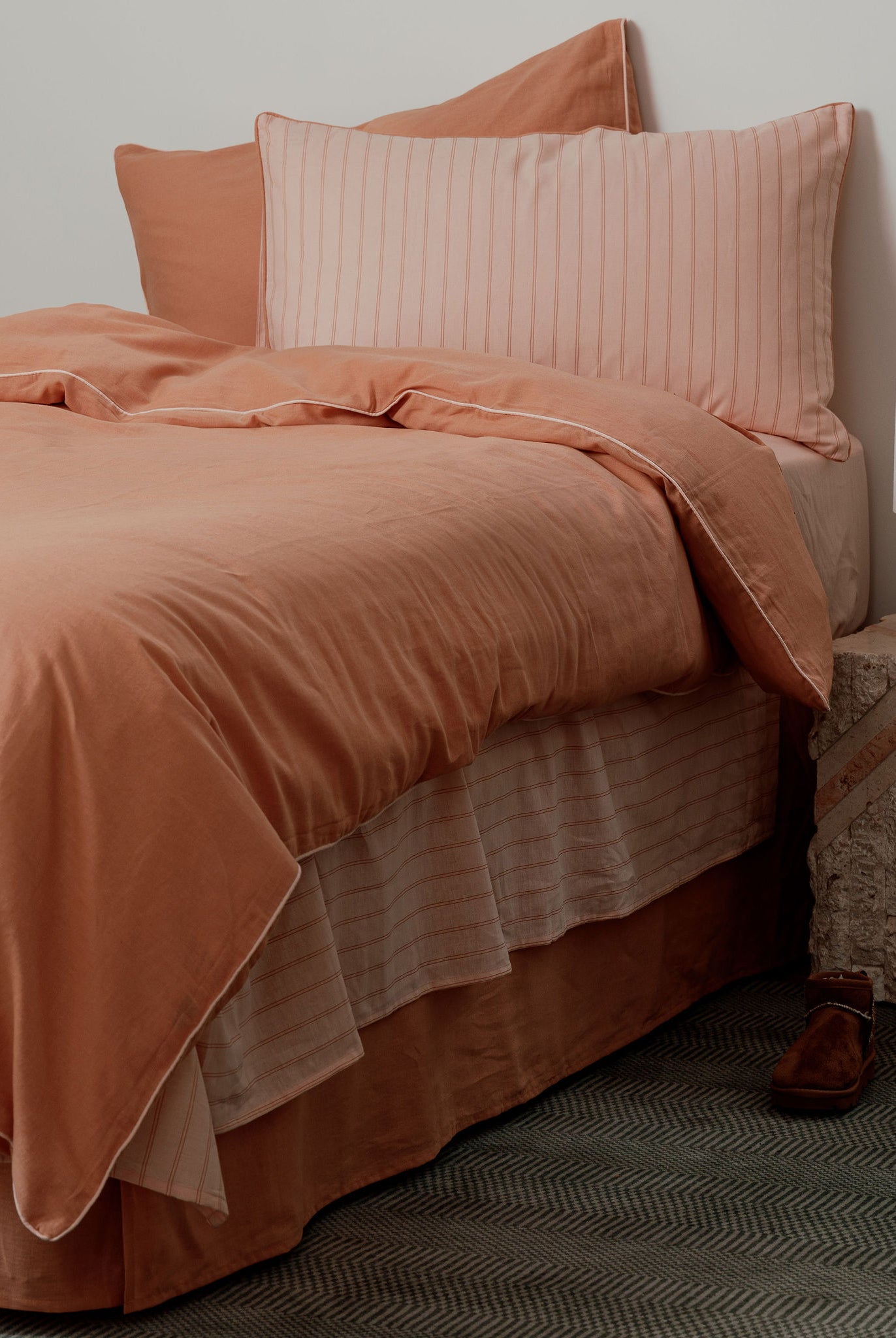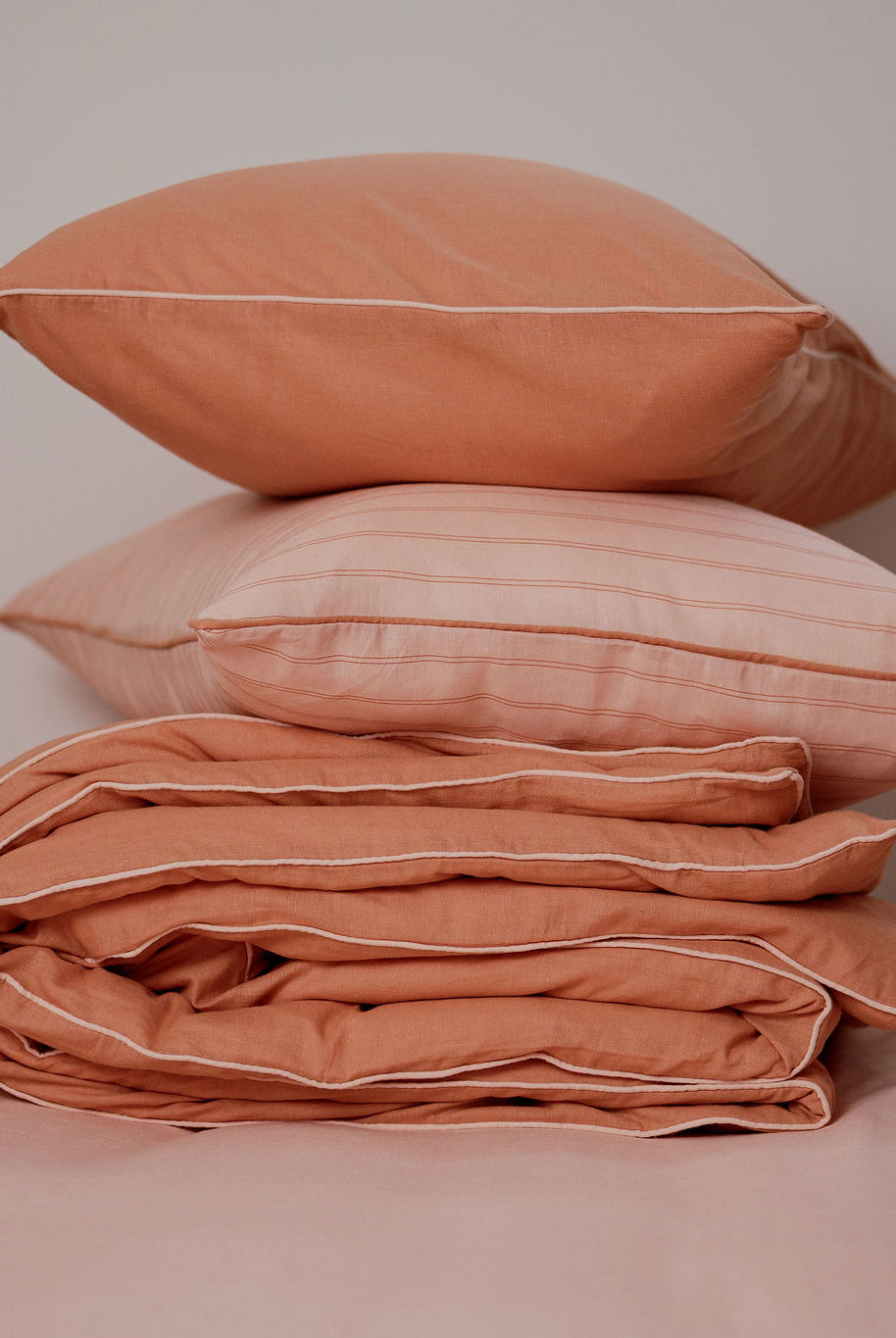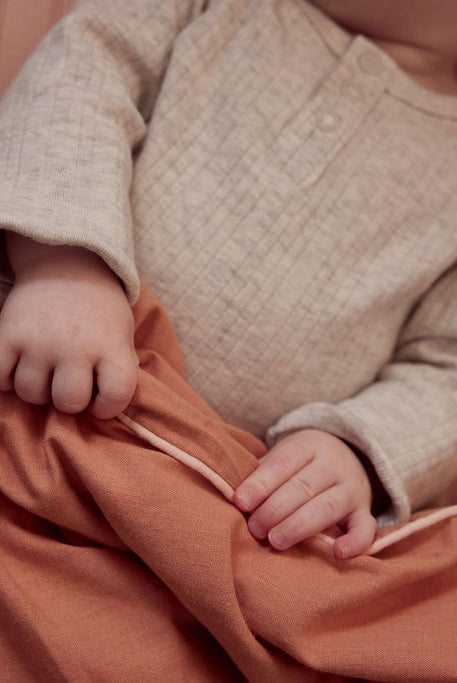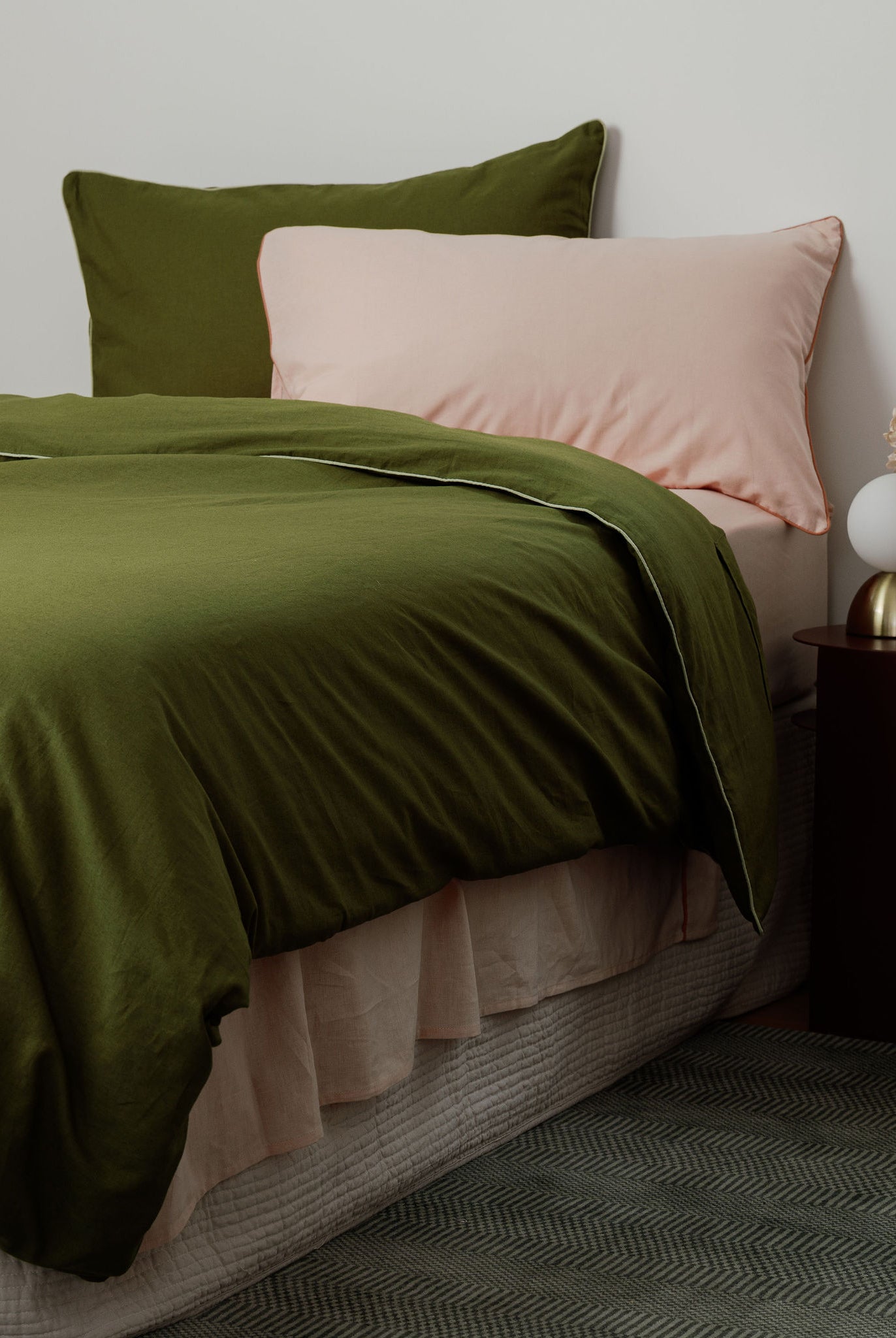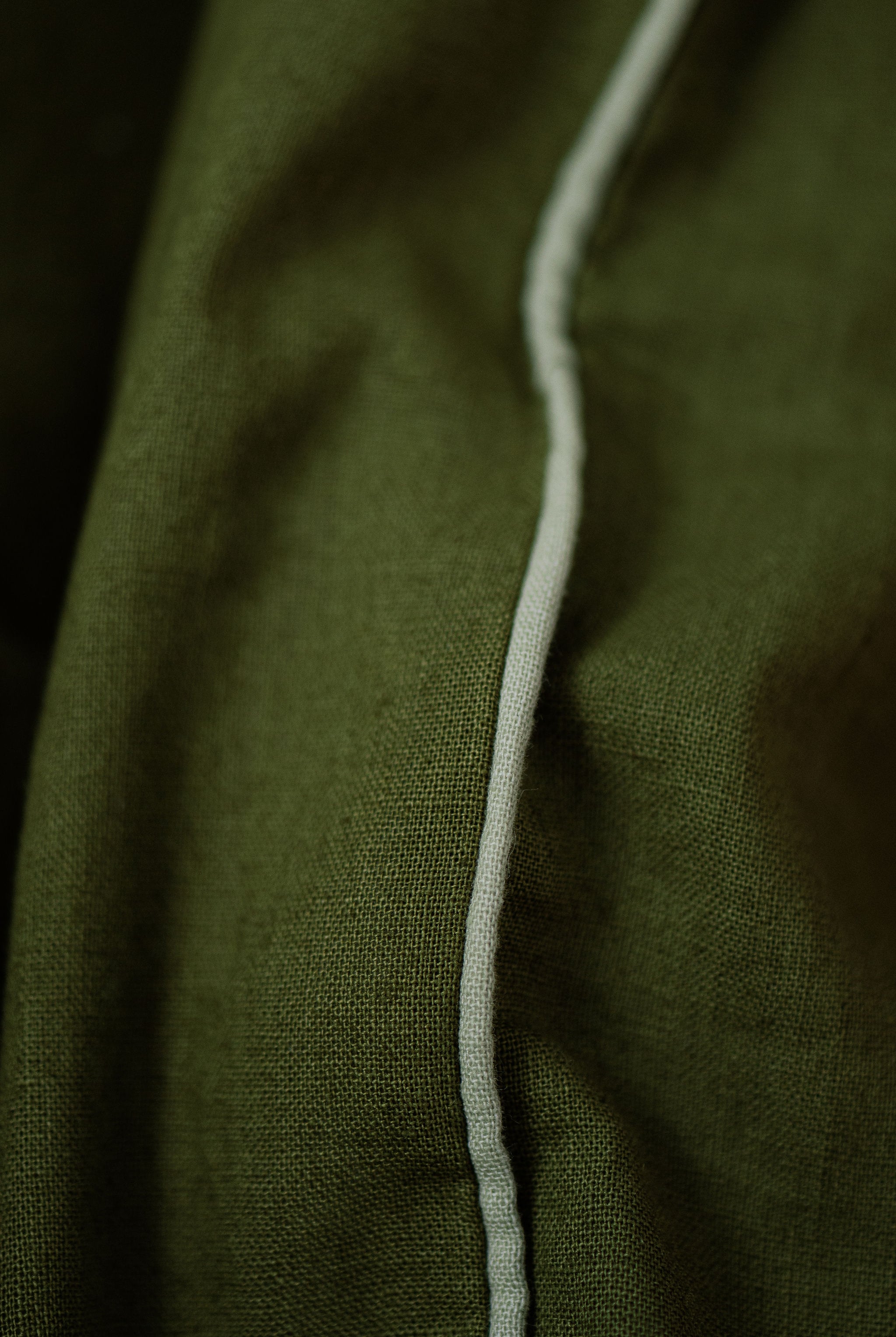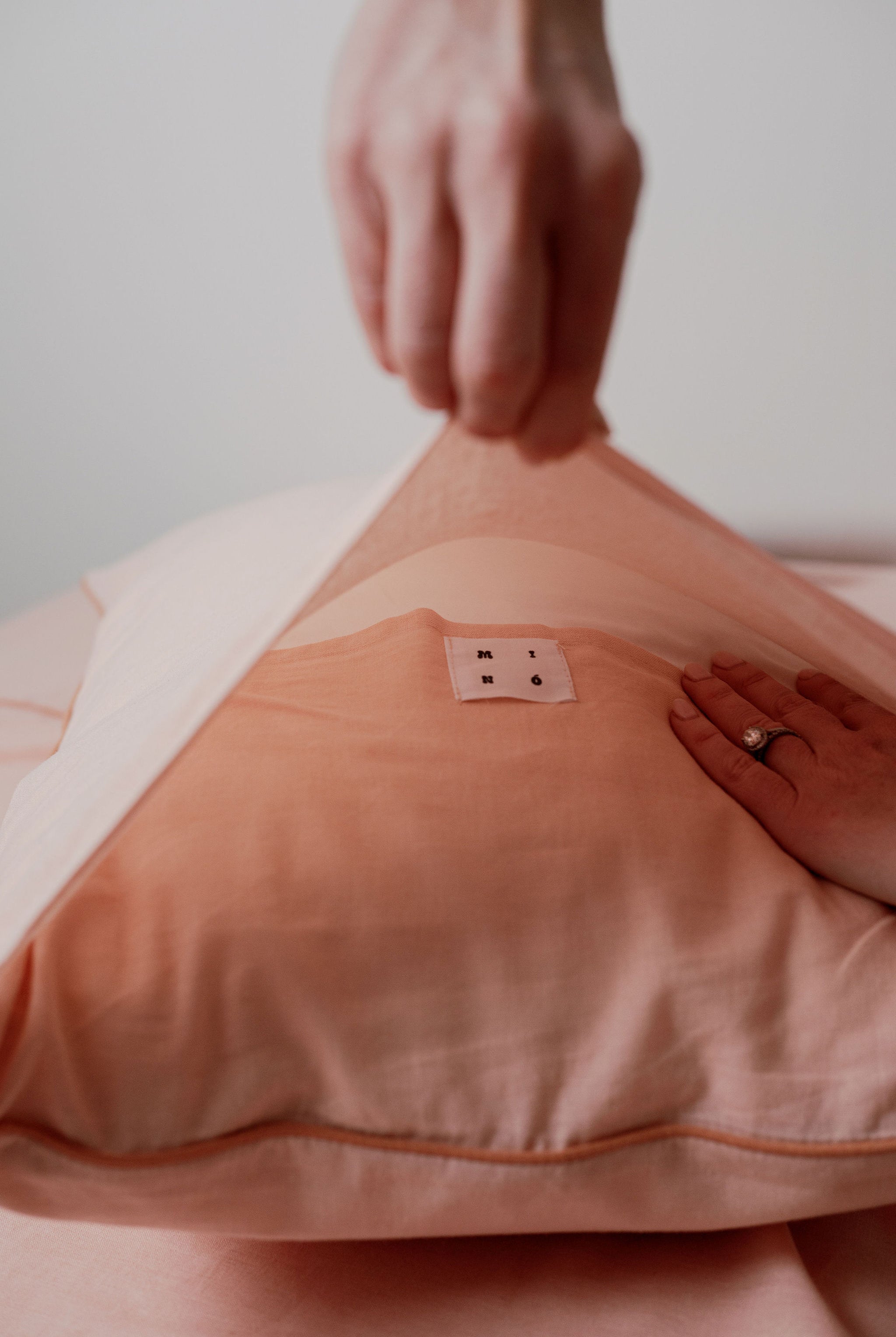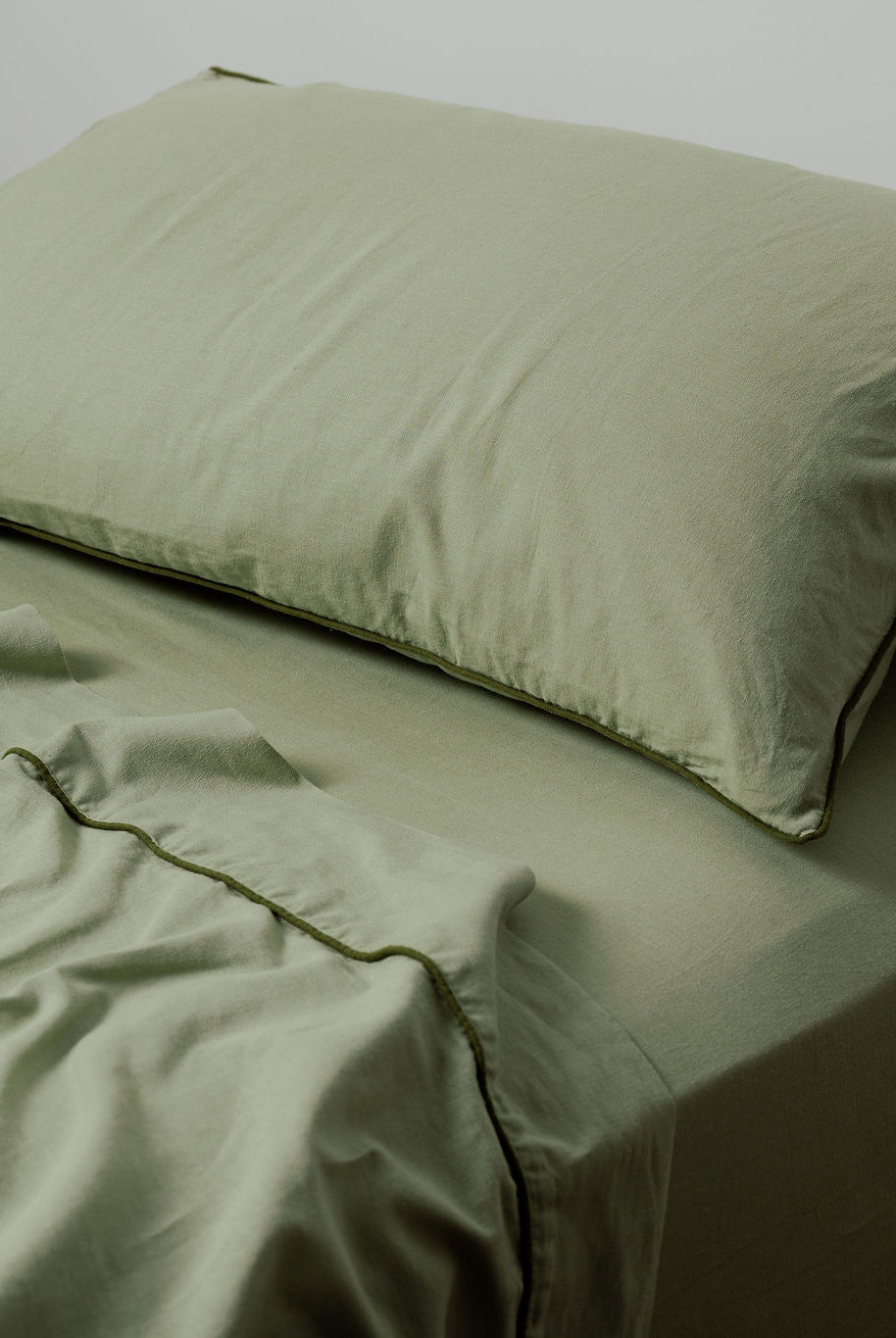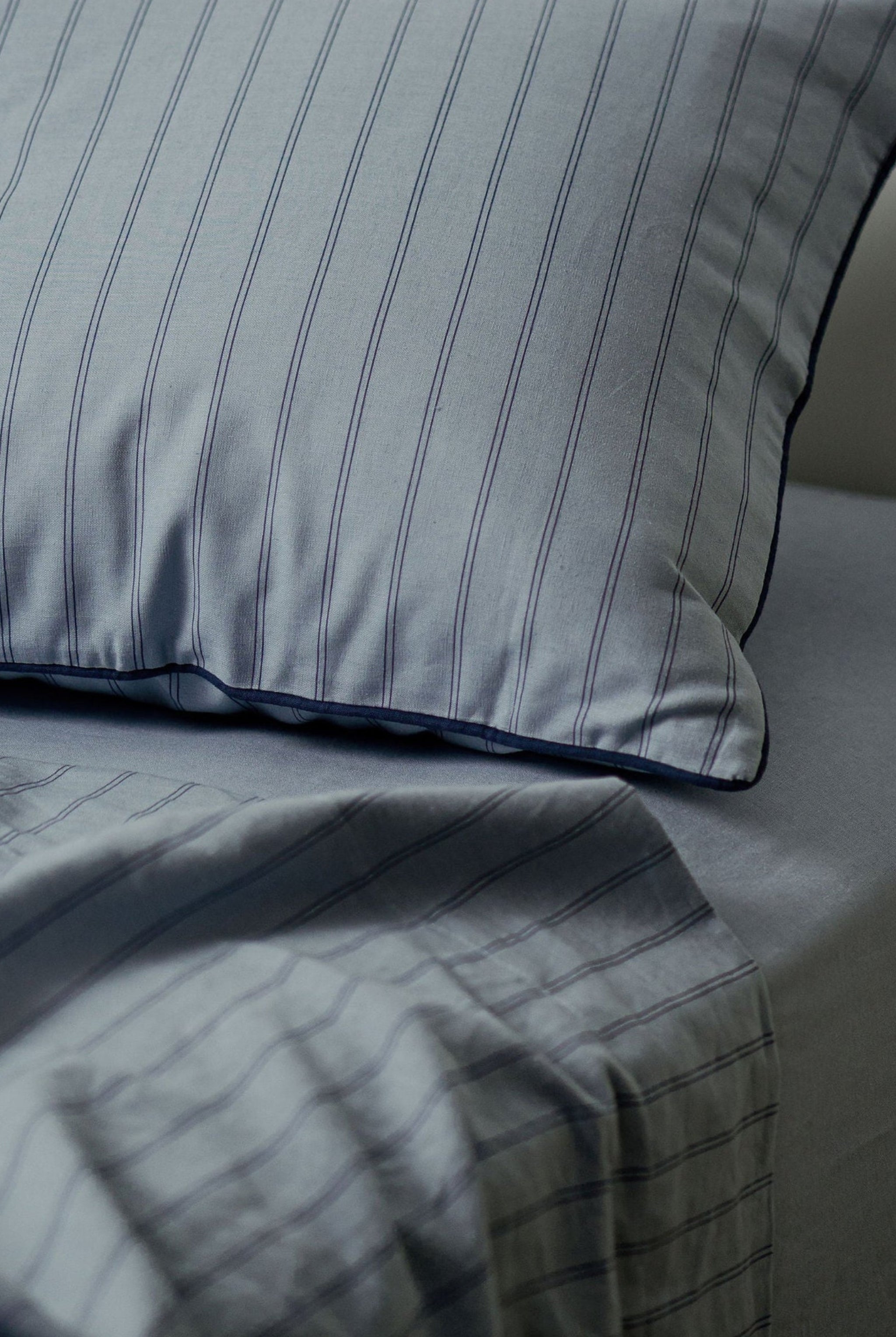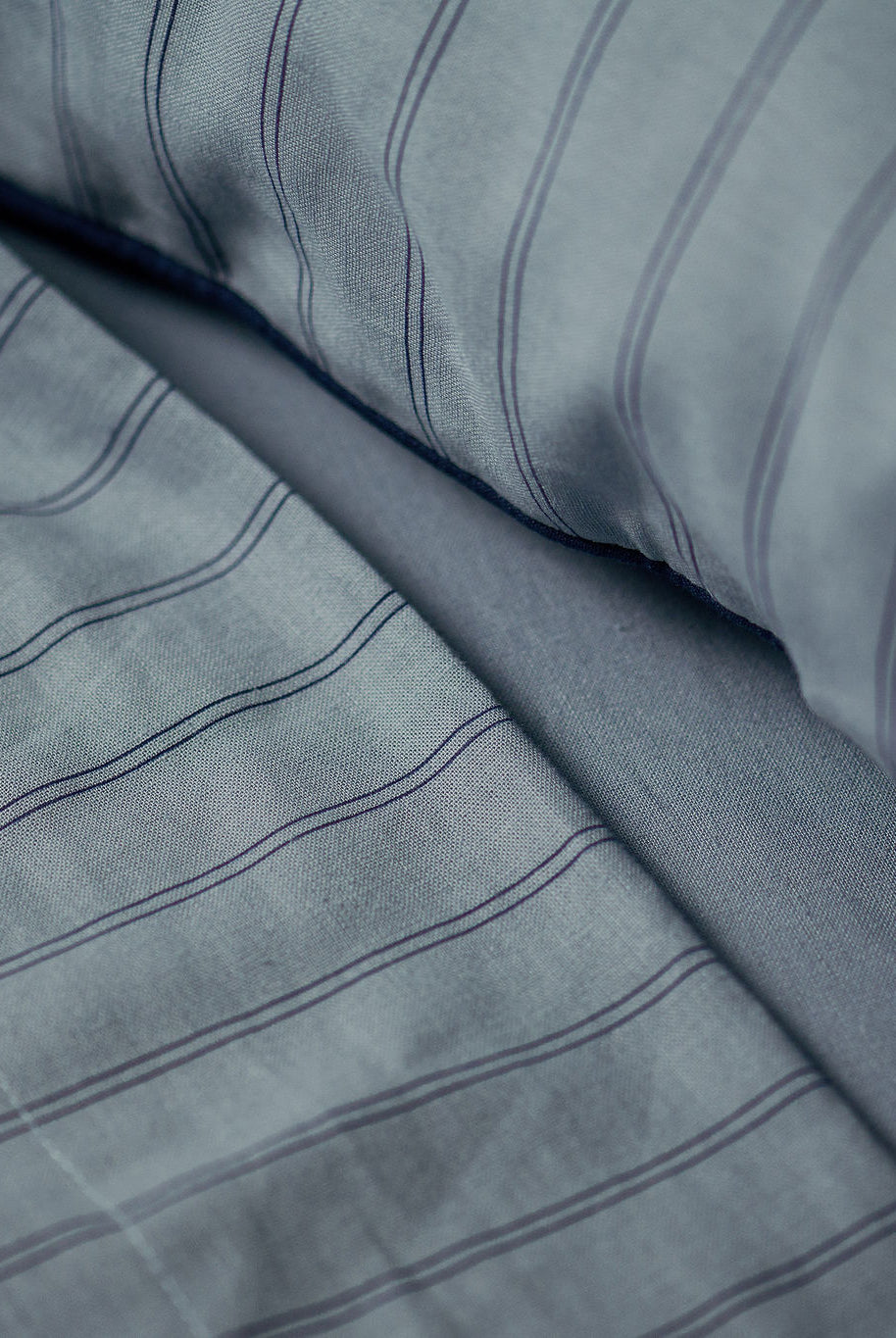


For children who notice everything — every tag, seam, sound, and texture — bedtime can feel overwhelming rather than calming. Sensory-sensitive children are not being difficult. Their nervous systems are simply staying alert. And the bedding they sleep on is one of the most direct inputs to that system.

The Science
Children have more touch receptors relative to their body size than adults. Sensation that an adult brain filters into the background can stay in the foreground of a child’s nervous system for much longer.
As we develop, our brains get better at tuning out repetitive or low-priority input. In children, this is still a work in progress. During sleep onset, when the brain is winding down, unfiltered input from a rough fabric, a seam, or a label competes directly with that process. The sensation is not imagined. It is simply louder for them than it is for us.
Research shows that tactile sensitivity below the threshold of a formal diagnosis is considerably more common in children than adults. Sleep is one of the primary areas affected. A 2025 longitudinal study confirmed that a poor sensory environment disrupts sleep — and that poor sleep makes sensory sensitivity worse the following day. The two amplify each other.
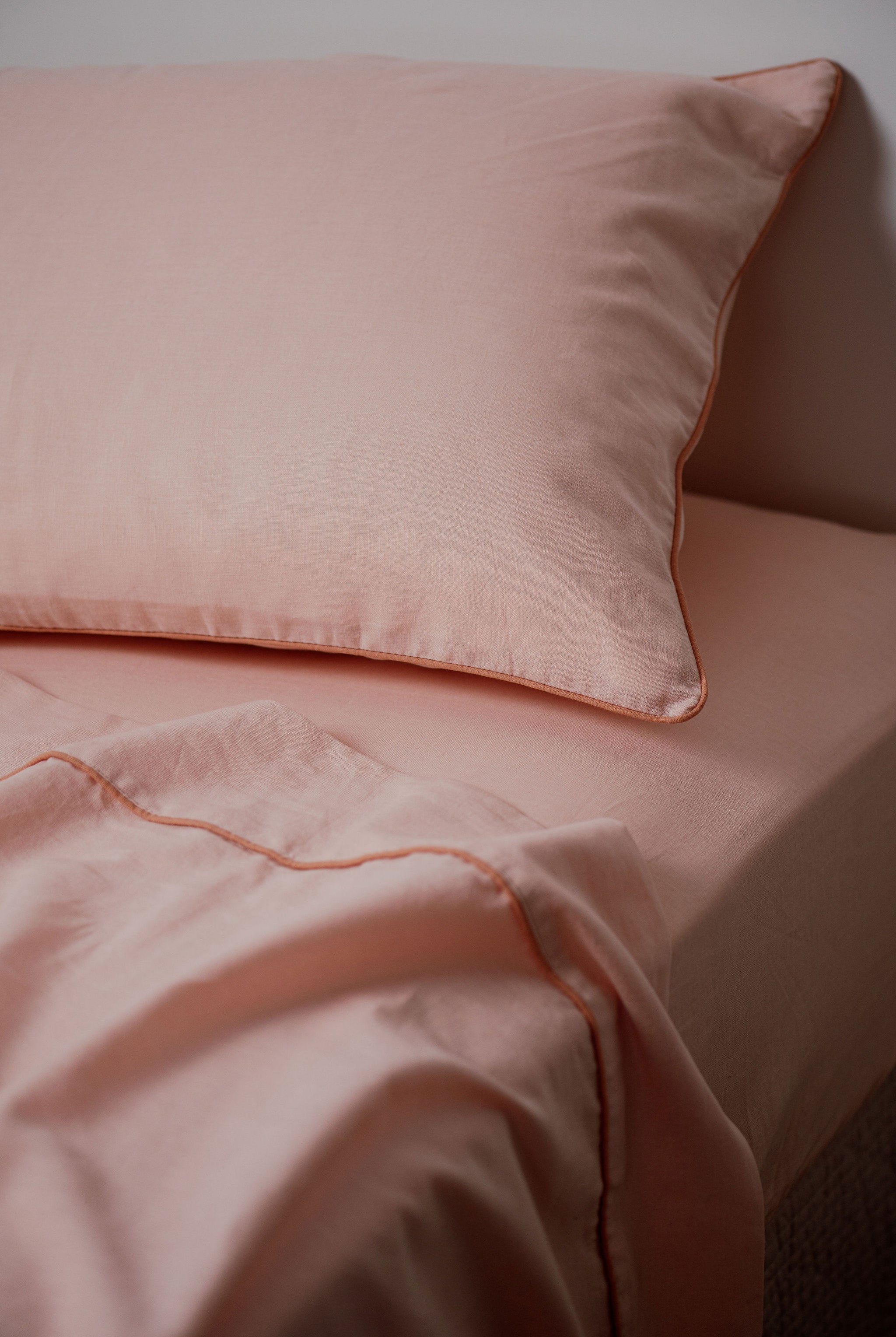
The environment a sensory-sensitive child sleeps in is not a small detail. For them, it is the whole thing.
When the environment feels safe, children learn that sleep is somewhere they can go on their own. That confidence builds over time.