



Every fabric in the Minó range was selected against the same criteria: does it serve a child’s sleep?
What follows is the technical case for each fabric we chose. And an honest account of what we ruled out, and why.
Rest Weave™
Linen-cotton blend. Sleep Deep bedding range.
Linen regulates temperature better than almost any other fabric. The problem is that pure linen can feel stiff against children's skin. Pure cotton solves that, but traps heat and degrades faster than the price justifies.
Rest Weave™ is the blend that resolves both. Linen's hollow fibre structure drives airflow and temperature regulation. Cotton keeps it soft and adds durability. Neither compromises the other.
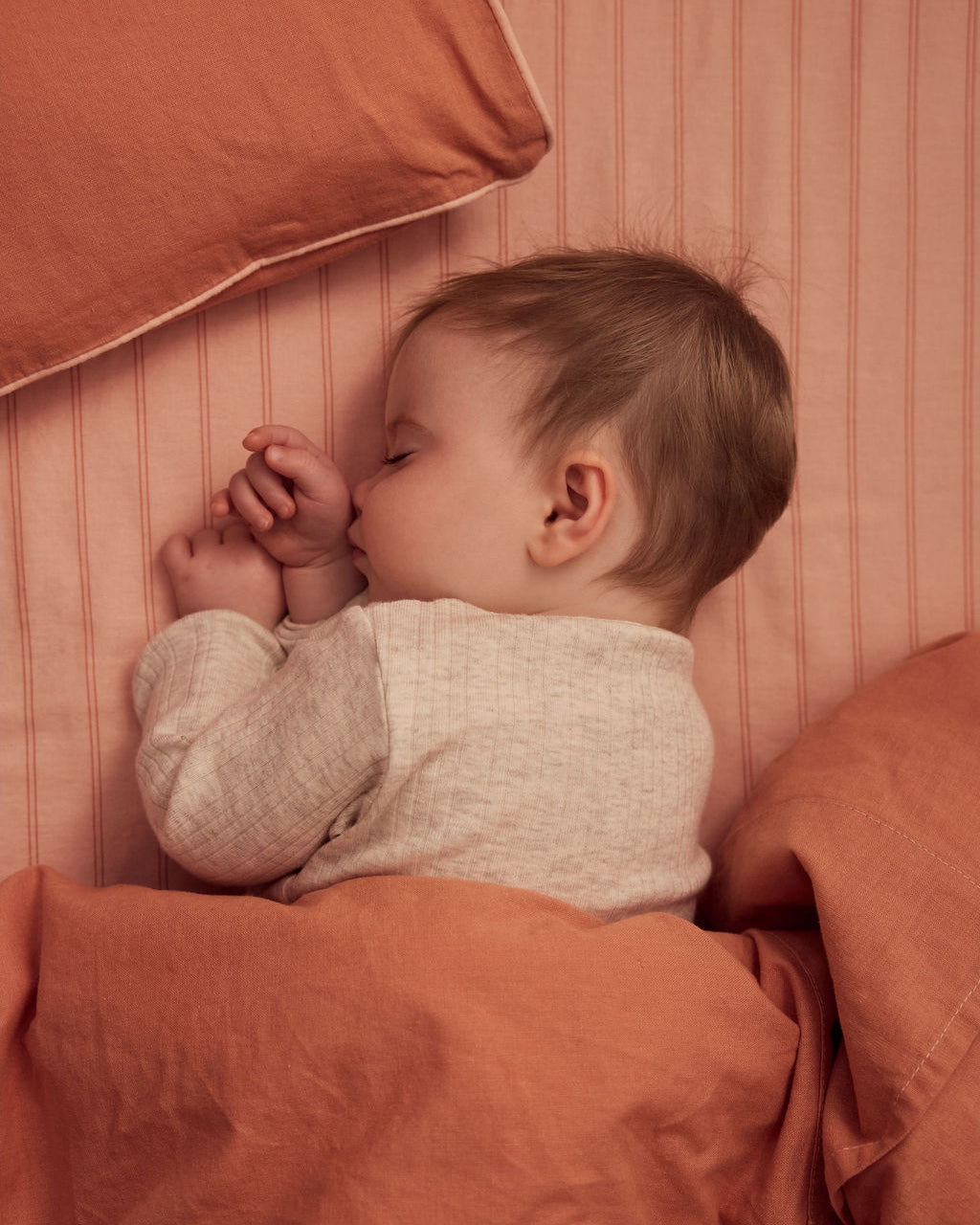
AIRFLOW
Up to 40% more than cotton
Linen's hollow fibre construction circulates air freely, releasing heat rather than trapping it. The result is a stable sleep temperature across the full night. Not just at lights out.
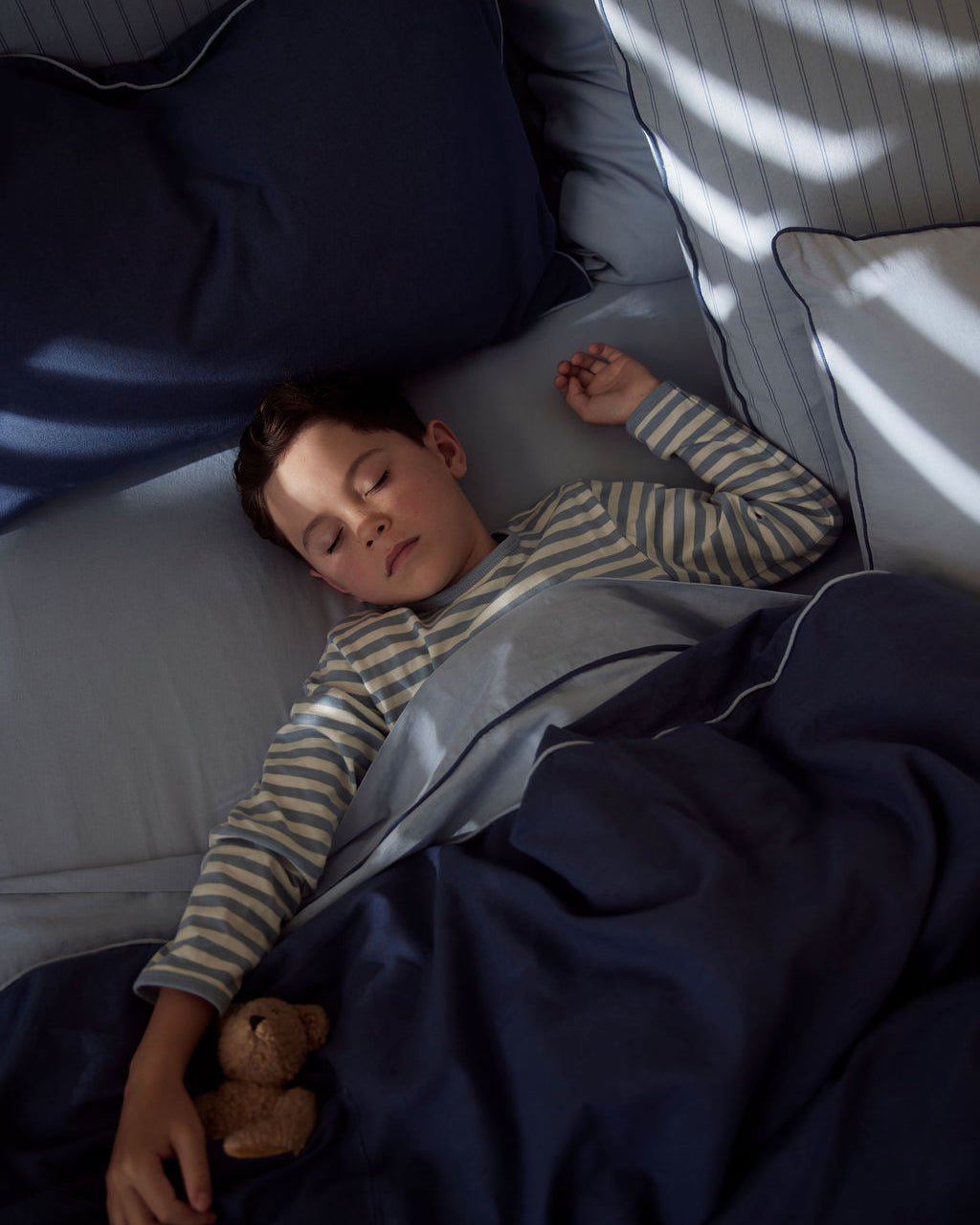
MOISTURE MANAGEMENT
Absorbs up to 20% of its weight
Linen wicks moisture before it registers as damp against the skin. Cotton keeps it soft without compromising that performance.
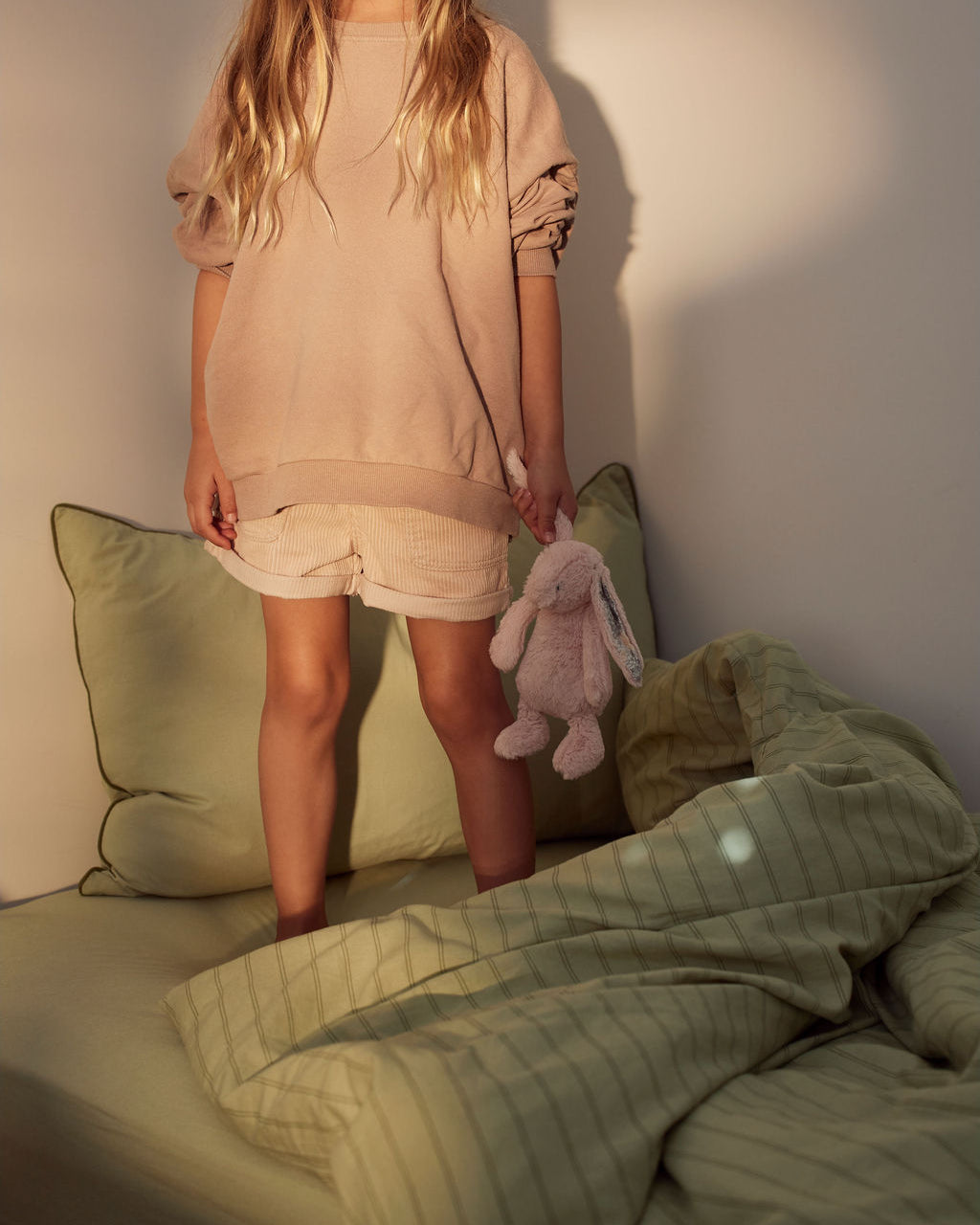
SENSORY PROFILE
Low-noise, tagless, natural
Low-noise, tagless, natural The weave is selected for minimal sound during movement. No synthetic content. No tags. Seams are placed and finished to minimise skin contact.
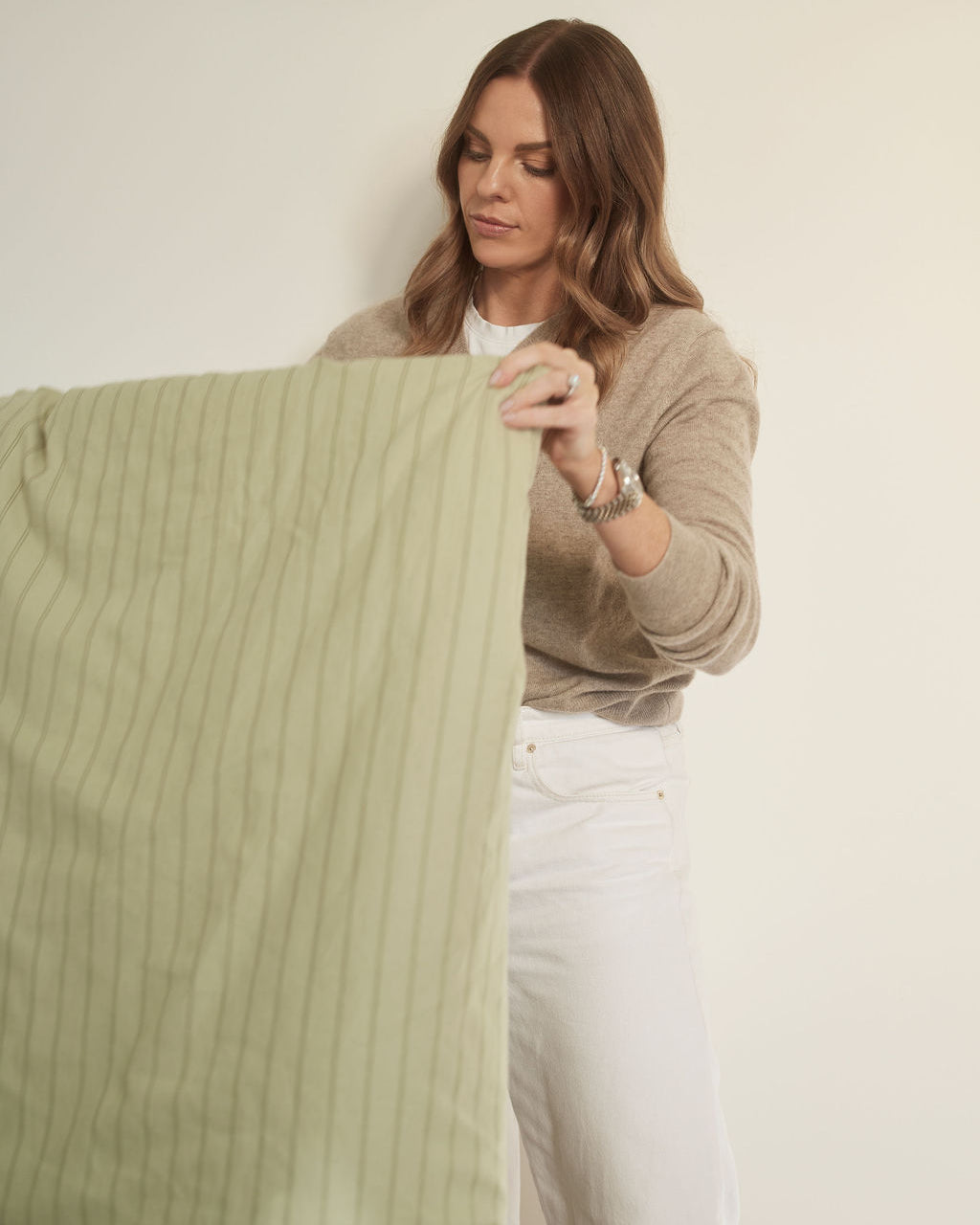
LONGEVITY
Improves with washing
Linen strengthens and softens with every wash. Thermal properties hold over time. High thread count cotton weaves degrade. This does not.
New Zealand Alpaca
Premium natural fill. All Seasons Duvet Inner.
Alpaca is one of the few natural fills that genuinely thermoregulates. Not in the marketing sense, but mechanically. The hollow core of each fibre traps air for insulation while allowing moisture and heat to escape. This means a child stays warm in a cool room without overheating as the night warms, without any intervention required.
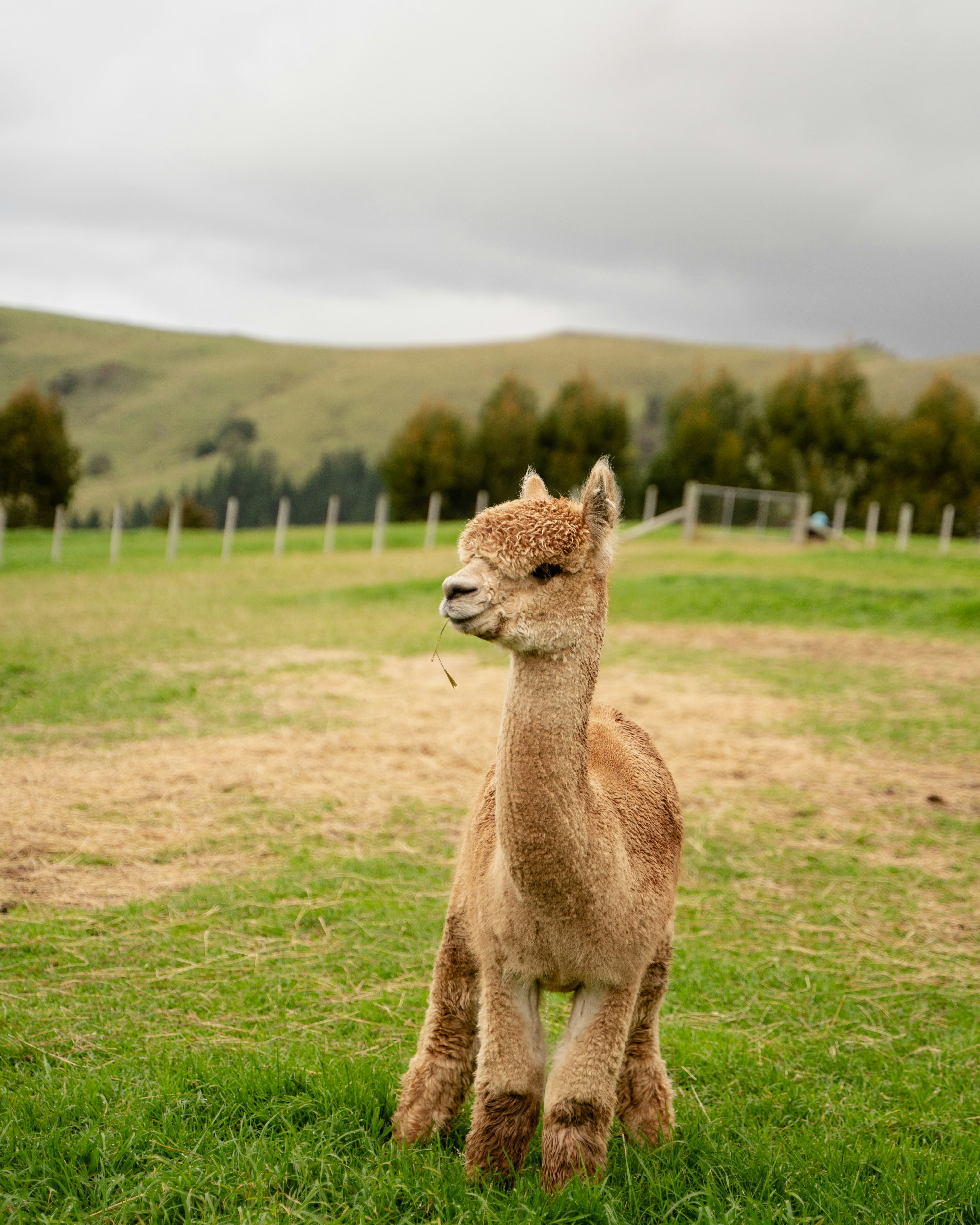
THERMOREGULATION
Hollow fibre, adaptive warmth
Air trapped in the hollow fibre core insulates. Heat and moisture release through the fibre wall. The fill adapts as body temperature changes through the night. No adjustment required.
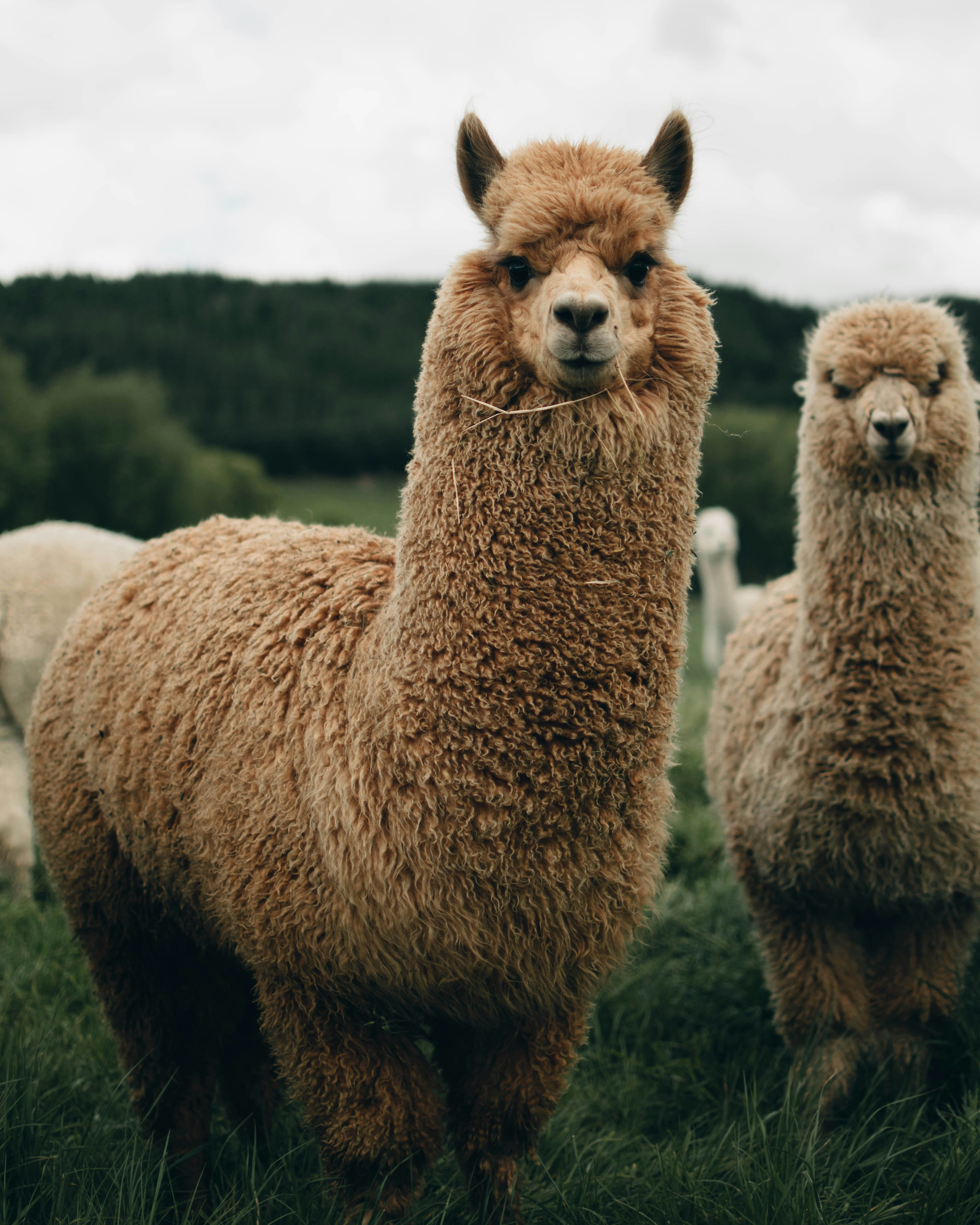
HYPOALLERGENIC
Lanolin-free, dust mite resistant
Zero lanolin, the primary irritant in sheep wool. Smooth fibre surface with minimal scaling. Naturally resistant to dust mites and mould. Suitable for children with skin sensitivities and allergies.
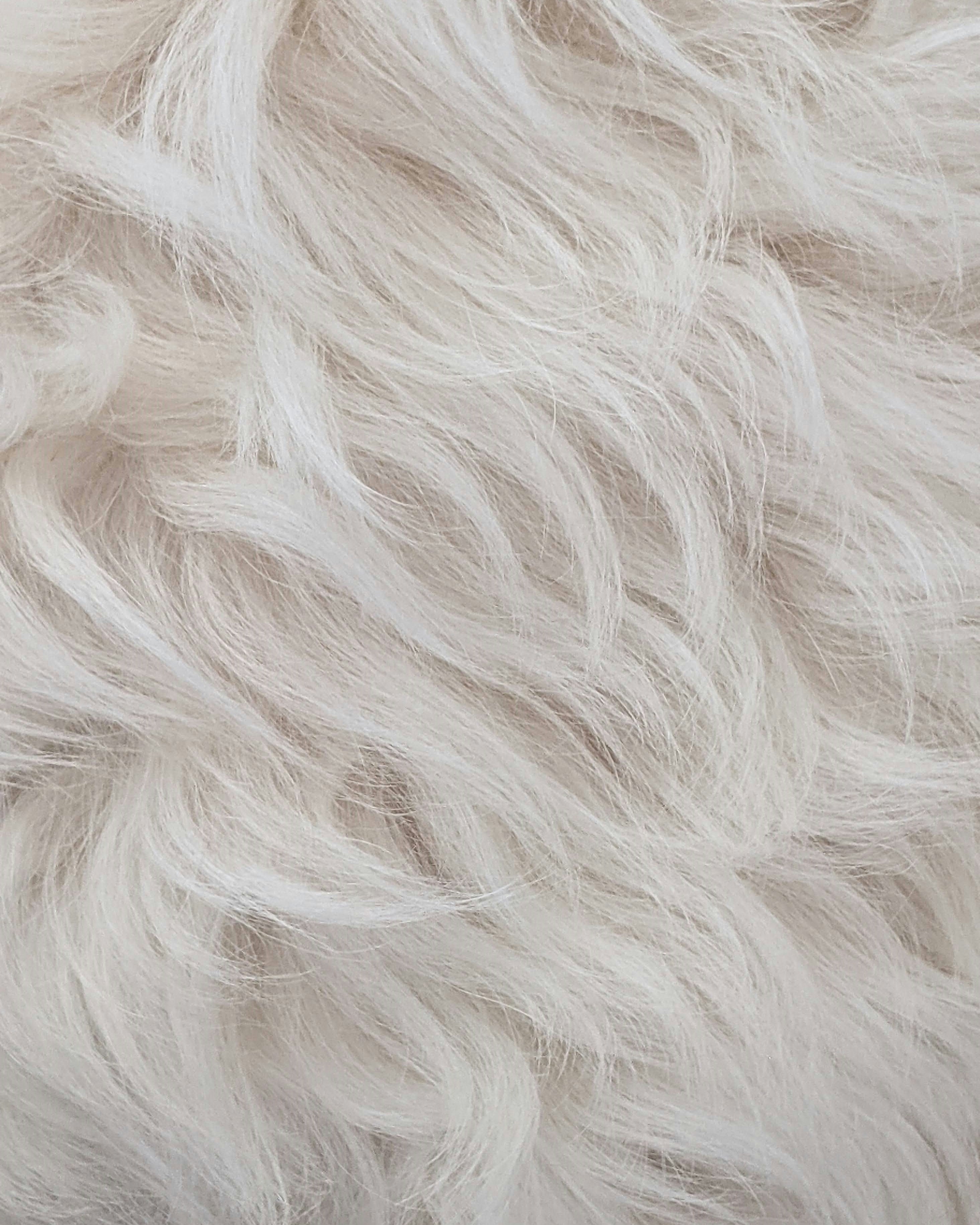
SENSORY PROFILE
Soft, light, non-prickling
Finer than sheep wool, which eliminates the prickling sensation entirely. Lightweight enough to provide warmth without heaviness. Relevant for children who are sensitive to pressure or weight.
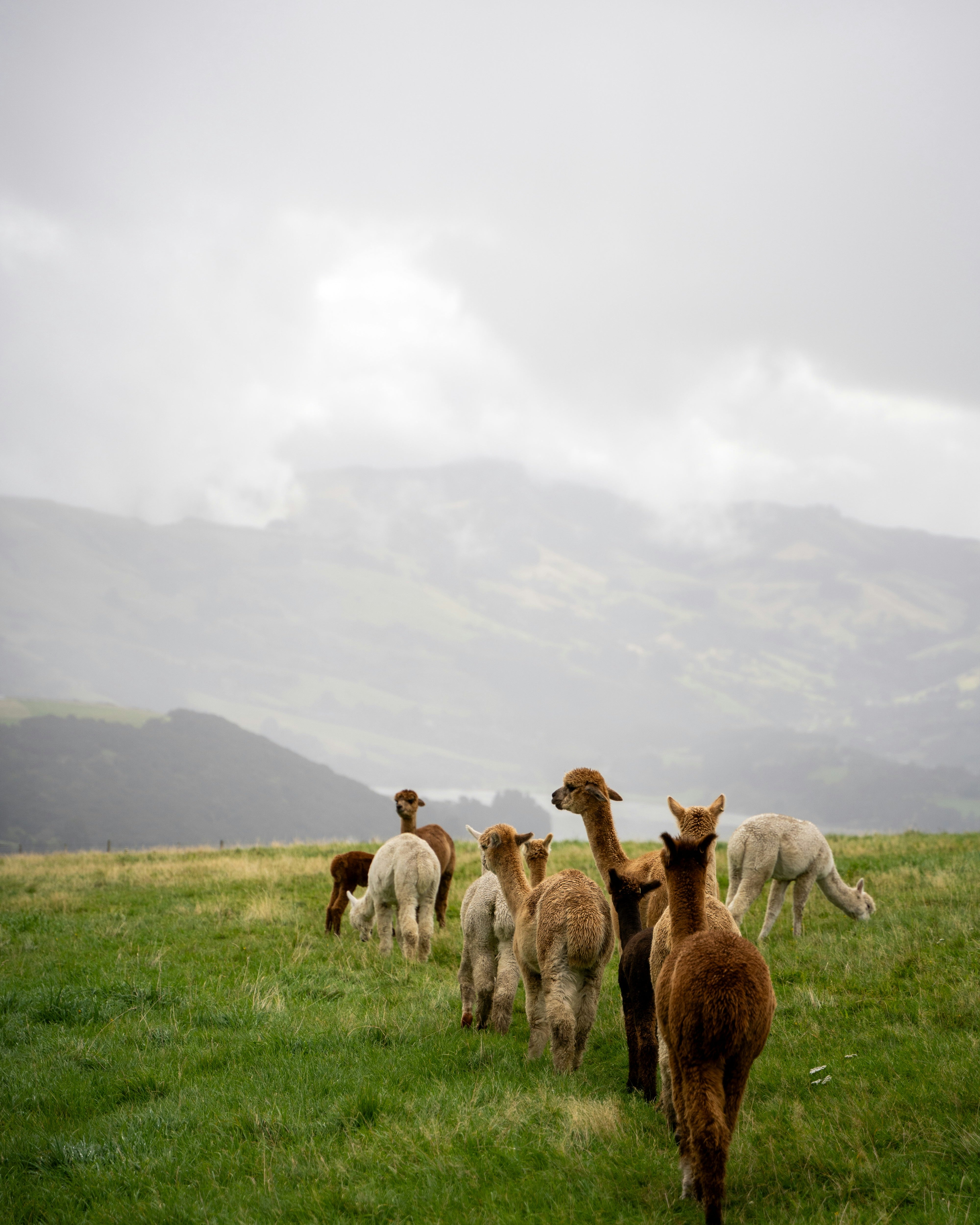
ORIGIN
New Zealand sourced
Farmed under strict animal welfare standards. Minimally processed, without harsh chemical treatments. Natural performance properties preserved throughout.
New Zealand alpaca has additional properties that make it specifically suited to children’s bedding. It contains no lanolin, the waxy substance found in sheep wool that is a common skin irritant and allergen. The fibre surface is smoother than sheep wool, with fewer microscopic scales that cause the prickling sensation many children find intolerable. It is naturally resistant to dust mites and mould. For children with sensitivities, this is not incidental. It is the reason we chose it.
Mulberry Silk
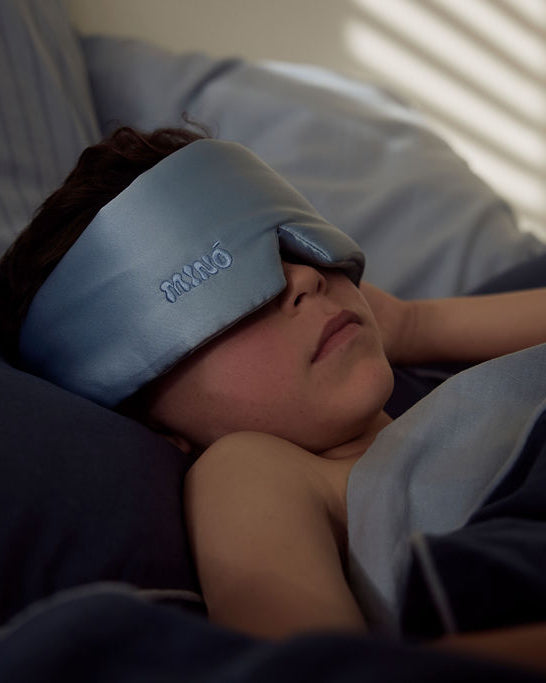
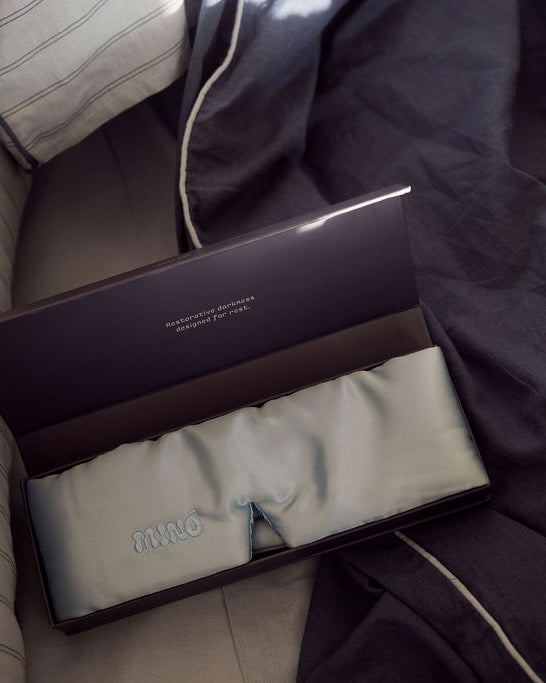
Grade 6A. Lights Out Deep Sleep Mask.
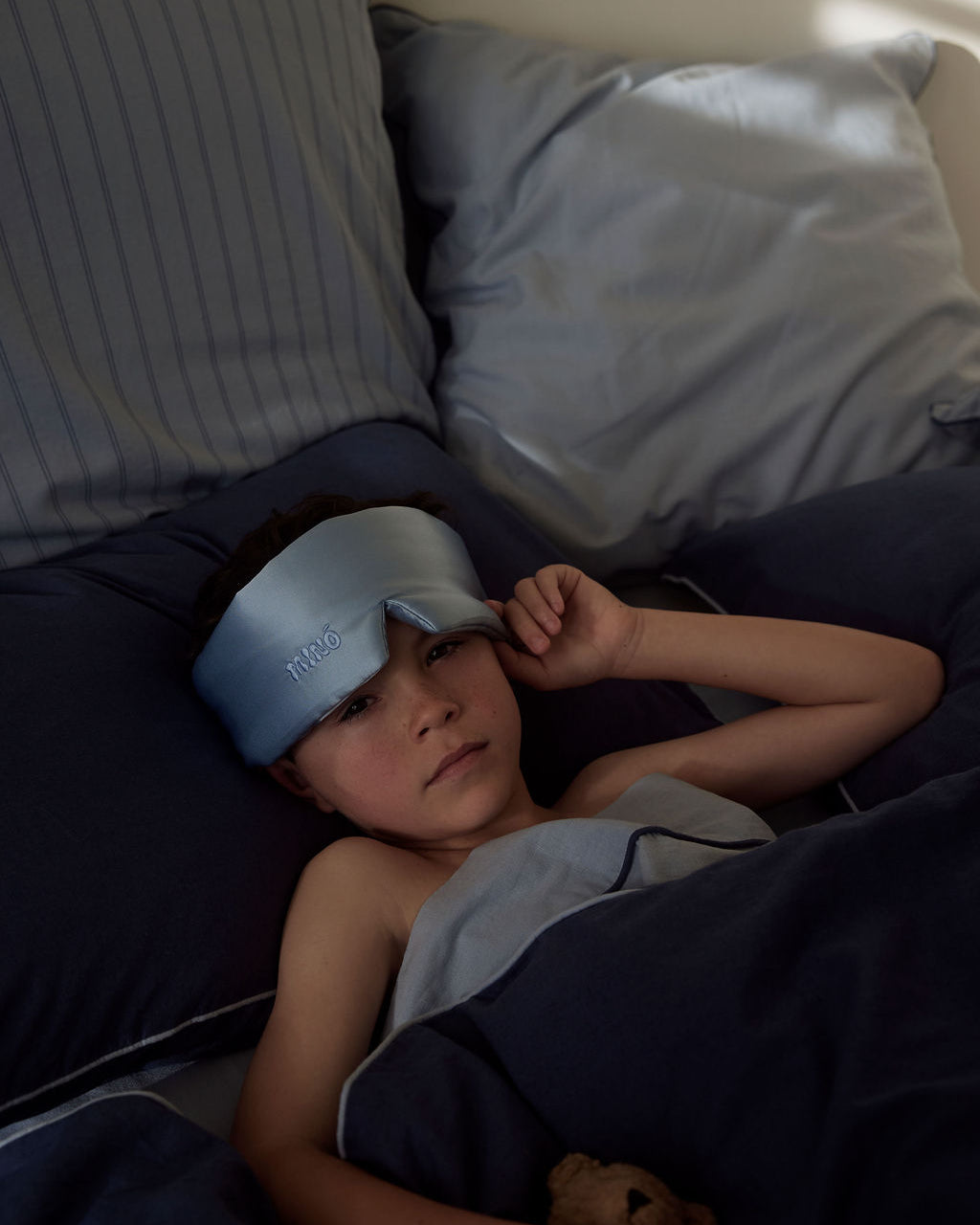
The skin around a child’s eyes is some of the most delicate on the body. A sleep mask that creates friction, traps heat, or sits heavily against the face defeats its own purpose. The material has to disappear.
Grade 6A is the highest classification in the silk grading system and the only grade that consistently meets all three requirements for a children's sleep mask. Temperature neutral, sitting at close to skin temperature rather than warming against the face. Near-zero friction against delicate skin. And complete light-blocking without requiring a thick or heavy construction.
GRADE
6A — highest classification
The longest, most uniform silk fibres available. Finer diameter, smoother surface, greater durability. The grade used in luxury and medical-grade silk products.
MOMME WEIGHT
22 momme
Dense enough for full light-blocking. Light enough to stay comfortable and breathable against delicate facial skin throughout the night.
THERMAL PROFILE
Temperature neutral
Sits at close to skin temperature rather than warming against the face. Does not trap heat around the eye area, which is a common complaint with synthetic and cotton alternatives.
SENSORY PROFILE
Near-zero friction
Smooth fibre surface with minimal drag against skin. Naturally hypoallergenic. No synthetic content. OEKO-TEX® Standard 100 certified across all components.
Momme weight is the measure of silk density. Lower momme silk is thinner and more prone to light leakage. We use 22 momme, the point at which the fabric becomes dense enough for full light-blocking performance while staying lightweight and breathable against the face.

The fabrics that did not pass
We tested fabrics over two years before finalising the Minó range. Several common materials didn't make it. We have nothing against these fabrics. Just not for children's sleep.
- Polyester microfibre: Traps heat, generates static, and creates noise during movement. Fails on temperature regulation and sensory profile. The most common fill in mass-market children’s bedding.
- High thread count cotton: Tightly woven to achieve softness in-store, which reduces breathability in use. Degrades faster than its price suggests. Performance does not hold across repeated washing.
- Flannel: Feels warm and soft at first. The raised surface traps heat quickly and can be stimulating against sensitive skin. Pills with washing, which increases surface texture over time. Not a fabric that improves with use.
- Bamboo viscose: Marketed as a natural fibre but produced through a heavily chemical process that strips most of the bamboo plant’s inherent properties. The fabric is semi-synthetic, not a natural one.
All of them are widely used in children's bedding. None of them passed the Minó Method® filter. That is not a coincidence. It is the point.
The standard we hold ourselves to is simple.
Every fabric in the Minó range must actively serve a child's sleep. Natural, certified and technically specified to help a child sleep. That is the standard.

